Why Night Safaris Are Banned in Jawai — and Why That’s Good for Sightings
Why Night Safaris Are Banned in Jawai
One of the more debated changes under Jawai’s 2026 Forest Department Standard Operating Procedure is the outright ban on night safaris, along with spotlighting, drone use, baiting, and call playback. Some travelers hear about this restriction and assume it makes Jawai a lesser destination than places where after-dark wildlife viewing is still permitted. The reality, once you understand why the ban exists and what it actually protects, is closer to the opposite. This is a rule that improves the quality and integrity of the daytime safari experience, and it reflects a genuine understanding of how leopards and this landscape actually function.
What Night Safaris and Spotlighting Actually Involve
Night safaris typically use artificial light — spotlights or vehicle-mounted lamps — to locate and illuminate nocturnal or crepuscular animals after dark. For a predator like a leopard, which is naturally more active at dawn, dusk, and through the night, this can seem like the obvious way to guarantee a dramatic sighting. But repeatedly shining bright artificial light into a wild leopard’s eyes, following it with a spotlight as it tries to move away, or crowding a vehicle close to an animal that is naturally most vulnerable and least visible-feeling at night, has real costs. It disrupts natural hunting and movement patterns, increases stress in animals that are already navigating a landscape shared with human settlements and livestock, and over time can alter behavior in ways that are difficult to reverse.
The Broader Conservation Logic Behind the Ban
It’s worth situating this rule within a wider pattern. Wildlife tourism regulation across India and globally has increasingly moved toward restricting practices that prioritize guaranteed visitor spectacle over animal welfare, precisely because destinations that allowed these practices to continue unchecked have, in many documented cases, seen measurable behavioral changes in the animals involved over time — increased habituation to vehicles in ways that raise conflict risk, disrupted hunting patterns, and stress responses that affect health and breeding. Jawai’s rule-makers were not inventing a new precaution from nothing; they were applying a lesson that wildlife tourism in other parts of the world has already learned, sometimes at real cost to the animal populations involved.
Why Baiting and Call Playback Are Equally Harmful
Baiting — leaving food to draw an animal into view — and call playback — broadcasting recorded leopard or prey calls to provoke a response — are both forms of manipulation that treat wildlife as a prop for a paying audience rather than as wild animals behaving naturally. Baiting can alter feeding patterns, create unhealthy associations between vehicles and food, and in some cases increase the risk of conflict as animals begin associating human presence with an easy meal. Call playback can cause genuine stress and confusion, provoking territorial or defensive responses to a threat that isn’t actually there. Both practices produce a more “reliable” show for tourists in the short term, at a real cost to the animals living here permanently, long after the vehicle has driven away.
Drones and the Problem of Aerial Disturbance
Drone use near wildlife might seem harmless because it doesn’t involve direct proximity, but the noise and visual disturbance of a drone overhead can startle animals, disrupt natural behavior, and in a landscape where leopards already navigate close to human activity, add one more source of unpredictable stress. The ban on drones near safari zones reflects a broader recognition that wildlife tourism has to weigh the value of a novel camera angle against the wellbeing of the animals being filmed.
Why Jawai’s Coexistence Landscape Makes This Especially Important
Jawai is unusual precisely because leopards here have coexisted with the Rabari pastoralist community for generations without the pattern of conflict seen in many other shared landscapes. That balance is delicate and depends on leopards behaving, largely, the way they always have — moving at their own pace, hunting and resting according to their own patterns, treating human presence as background rather than as a source of either threat or reward. Practices like baiting or persistent spotlighting have the potential to disturb exactly the behavioral patterns that have allowed this coexistence to hold for so long. Protecting that balance is not just good conservation practice in the abstract — it is protection of the single thing that makes Jawai globally distinctive as a wildlife destination in the first place.
The Case That This Is Good for Sightings, Not Bad
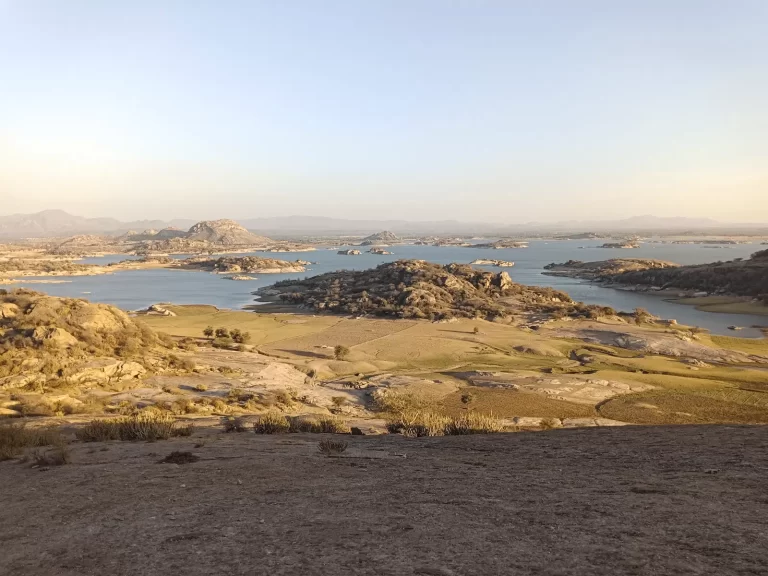
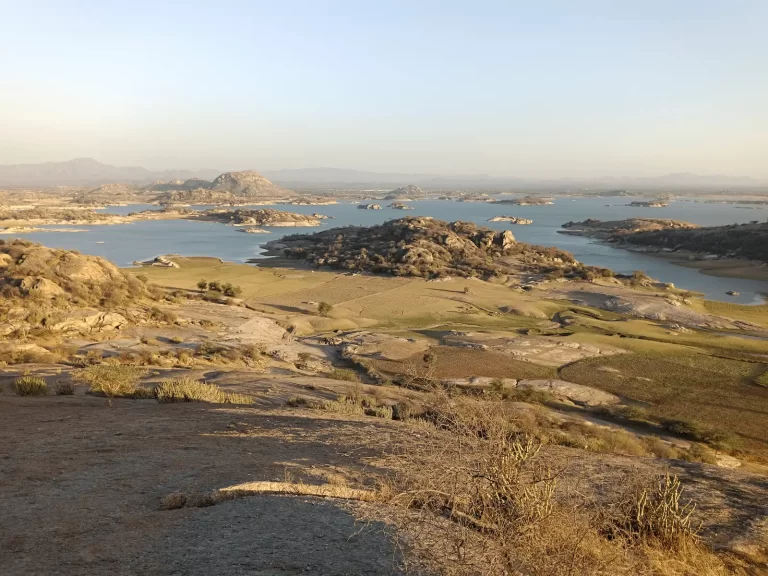
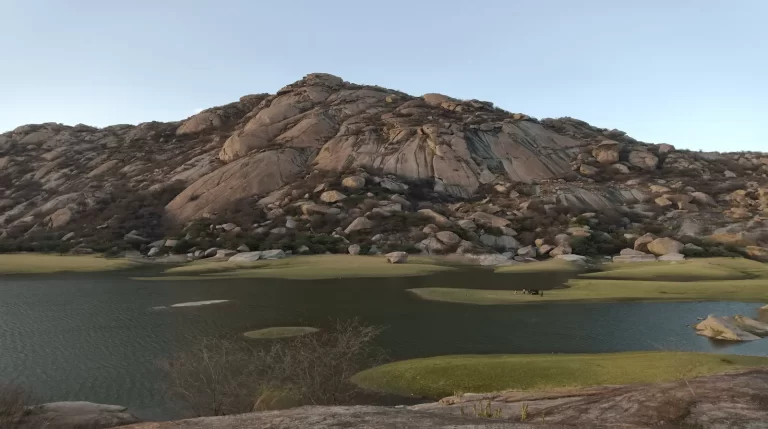
Here is the part that surprises many first-time visitors: removing night safaris, spotlighting, baiting, and call playback from the picture does not meaningfully reduce your chances of a good sighting. Jawai’s leopards are unusually visible during daylight hours precisely because of the landscape — granite outcrops that catch and hold warmth, open sightlines across hills and rock faces, and a population of leopards genuinely habituated to daytime human activity in a way that is rare elsewhere. Dawn and dusk, both squarely within the permitted daylight safari window, are when leopard activity is naturally highest anyway. A well-timed morning or evening safari in the right zone gives you a very real chance of a sighting without needing artificial light or manipulation to manufacture one.
What the ban actually removes is not your chance of a sighting, but the pressure and artificiality that come with manufactured encounters. A leopard spotted resting on a sunlit granite boulder at 7am, unbothered by a respectfully positioned vehicle, is a genuinely different experience — and arguably a more honest one — than an animal cornered by spotlights at 11pm. Guests who have experienced both kinds of wildlife tourism elsewhere often say the daylight, unmanipulated version is the more memorable one, not the lesser one.
How Jawai Compares to Destinations That Still Allow Night Drives
Some wildlife destinations elsewhere still permit night safaris or spotlighting under limited, tightly controlled conditions, often for nocturnal species that are genuinely difficult to observe any other way. Jawai’s situation is different in one important respect: its leopards are not a purely nocturnal species that requires artificial light to be seen at all. They are highly visible during the day here, in a way that is unusual for leopard populations generally, because of the specific combination of open granite terrain and a long history of habituation to human presence during daylight hours. This means the tradeoff that some destinations have to weigh — allow some night viewing or risk visitors never seeing the animal at all — doesn’t really apply to Jawai in the same way. The daytime visibility is strong enough that the case for night access is much weaker here than it might be for a more strictly nocturnal, more visually elusive species elsewhere.
What a Compliant Safari Actually Looks Like Now
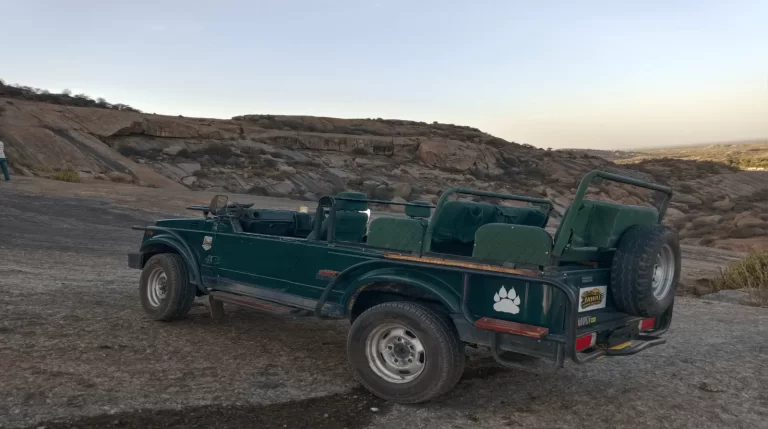
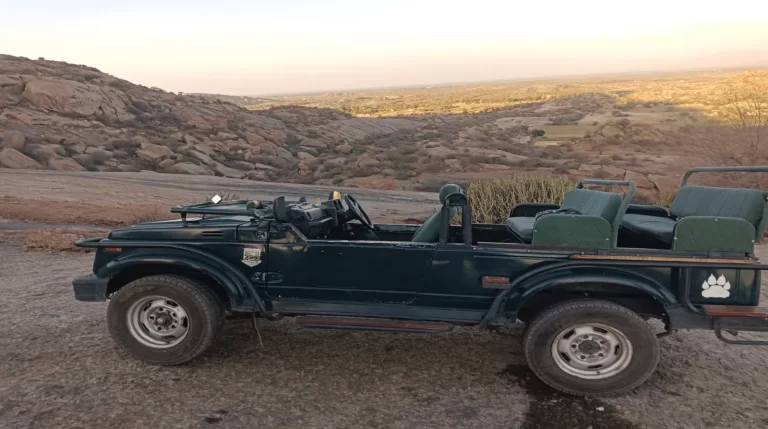
Under the current rules, a legitimate Jawai safari runs within the approved daylight window, roughly 6am to 7pm, in a committee-registered, GPS-tracked vehicle. Naturalists and drivers rely on their knowledge of territory, recent activity, and terrain reading rather than artificial inducements to locate leopards. Vehicles maintain a respectful distance and do not attempt to corner or crowd an animal for a better photo. This is, if anything, a more skill-dependent version of the safari experience than a spotlight-and-bait approach — it rewards genuine local knowledge over shortcuts.
What to Do If an Operator Offers You a Night Drive Anyway
If you encounter an operator offering a night safari, spotlighting, or any variation on baiting or call playback as a premium or special add-on, treat this as a serious red flag rather than a bonus. It means the operator is either unregistered or willing to violate their registration terms, both of which put your own safari experience on legally uncertain ground and directly undermine the landscape you’ve come to see. A reputable operator will explain the rules plainly and will not offer you a workaround, because they understand that their registration status depends on compliance, and because they generally believe in the reasoning behind the rules in the first place.
How This Changes the Booking Conversation
Before 2026, the questions travelers asked when booking a Jawai safari tended to focus on price, timing, and which zone to visit. Compliance is now just as important a question, and arguably the first one worth asking. When you inquire about a safari, ask directly whether the vehicle is registered with the coordination committee and whether it carries GPS tracking. A legitimate, well-run operator will answer this immediately and without hesitation, because compliance is now their license to operate at all, not an optional selling point.
What Guests Actually Experience Under the New Rules
In practice, most guests who visit Jawai after the 2026 rule changes report that their daylight safaris felt calmer and more focused than they expected. Naturalists spend more time reading terrain, tracking recent signs of movement, and positioning vehicles patiently rather than chasing a guaranteed dramatic moment. Waits can be longer, and outcomes remain genuinely uncertain — sightings are never guaranteed on any single drive, regardless of season or operator skill. But the ones that happen tend to feel more earned, and visitors who understand the reasoning behind the rules generally find that the honesty of the experience adds to it rather than detracting from it.
Our Approach
We work exclusively with committee-registered, GPS-tracked operators who follow the daylight-hours rule and do not offer night safaris, spotlighting, baiting, or call playback under any circumstance. We view this not as a limitation we have to work around in our marketing, but as a genuine improvement to the Jawai experience — one that protects the coexistence story that makes this landscape unlike anywhere else, and one that, if anything, sharpens rather than dilutes your actual chances of a memorable daytime sighting.
If you’d like to plan a safari built entirely around ethical, compliant daylight viewing, message us on WhatsApp for current pricing and a quote tailored to your dates and group size.