Bera vs Sena vs Jawai Town: Which Base Puts You Closest to the Leopards
Bera vs Sena vs Jawai Town: Which Base Fits Your Trip
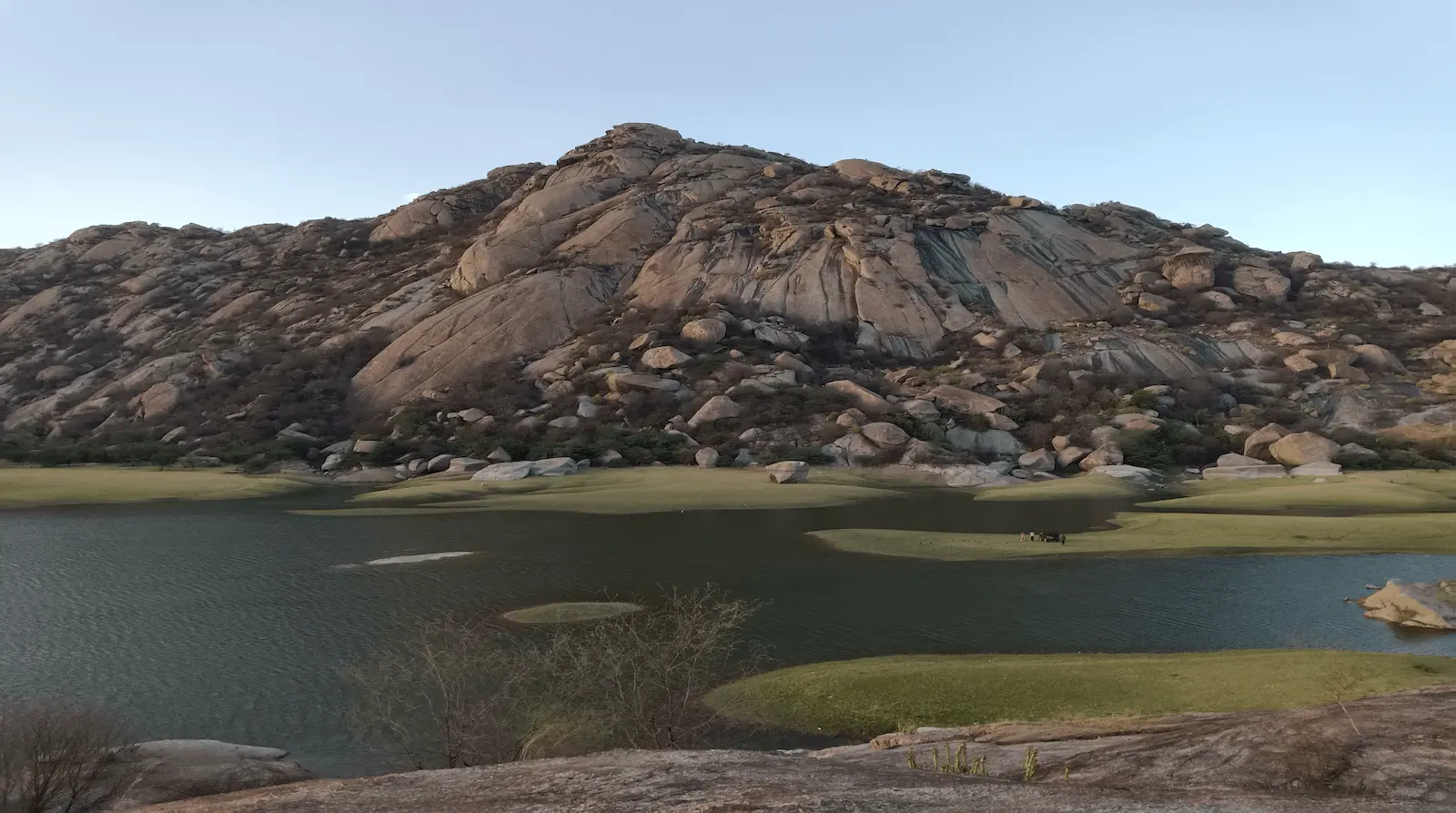
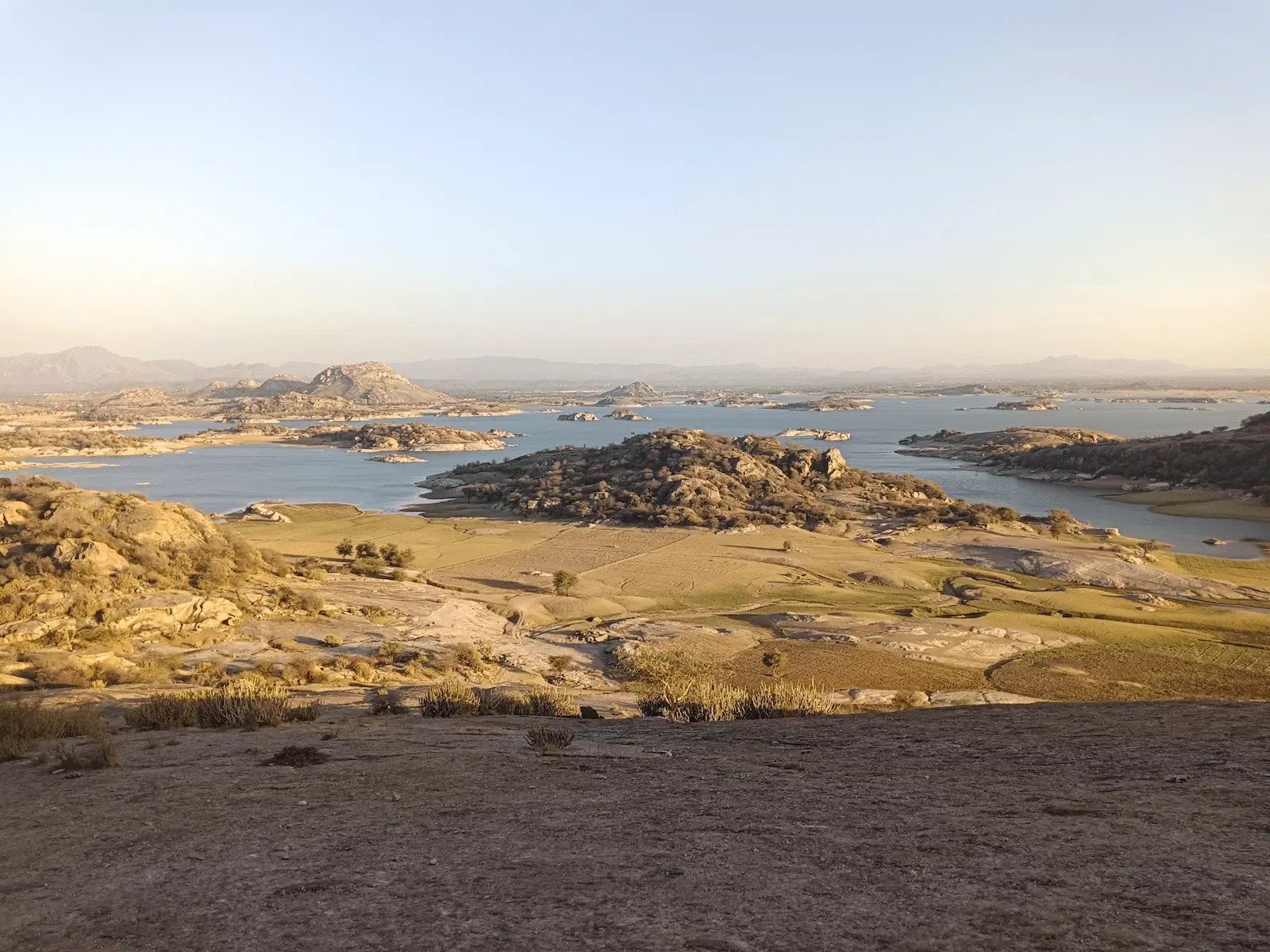
Jawai is not a single point on a map but a region spread across granite hills and farmland in Pali district, organized loosely around three zones that shape where you’ll stay and how your safaris are structured: Bera, Sena, and Jawai town, with the Jawai Bandh dam anchoring the area’s geography and ecology. Choosing between them is one of the most consequential decisions in planning a trip here, since your base determines your daily rhythm, your accommodation options, and, to a real degree, your access to specific leopard territory. Here is an honest comparison of all three.
Bera: The Established Wildlife-Tourism Heart
What Bera Offers
Bera is the zone most closely tied to Jawai’s international reputation as a leopard destination, and this shows in its infrastructure. It has the highest concentration of dedicated wildlife camps in the region, the longest track record of safari-focused hospitality, and the deepest pool of naturalist expertise concentrated in one place. If your priority is being based somewhere with the most established, experienced safari ecosystem and the widest choice of luxury and mid-tier properties, Bera is generally the strongest starting point.
What Bera Trades Off
Precisely because it’s the most established zone, Bera also tends to have the highest concentration of other travelers, particularly during peak season. If a quieter, less populated base matters more to you than the widest choice of camps, this density is worth weighing. Bera also commands a premium at its top-tier properties relative to some other options in the region, reflecting the concentration of naturalist expertise and safari infrastructure built up here over a longer period.
Sena: Quieter, Still Genuinely Well-Positioned
What Sena Offers
Sena sits a little apart from Bera’s cluster and delivers a genuinely calmer alternative without giving up much in terms of proximity to active leopard territory. Fewer properties operate here, which suits travelers who want a lower-key base and don’t need the density of options Bera provides. Many repeat visitors, particularly those who have already experienced the more established Bera circuit on a previous trip, choose Sena specifically for this quieter, less crowded angle on the same landscape.
What Sena Trades Off
The narrower selection of properties means less flexibility if your preferred dates fall in peak season, since the smaller inventory here can book out earlier than Bera’s wider range of options. Sena also has a shorter track record as a dedicated wildlife-tourism zone compared to Bera, meaning the concentration of highly specialized naturalist expertise, while still present, is somewhat less dense.
Jawai Town: Central, Practical, and Varied
What Jawai Town Offers
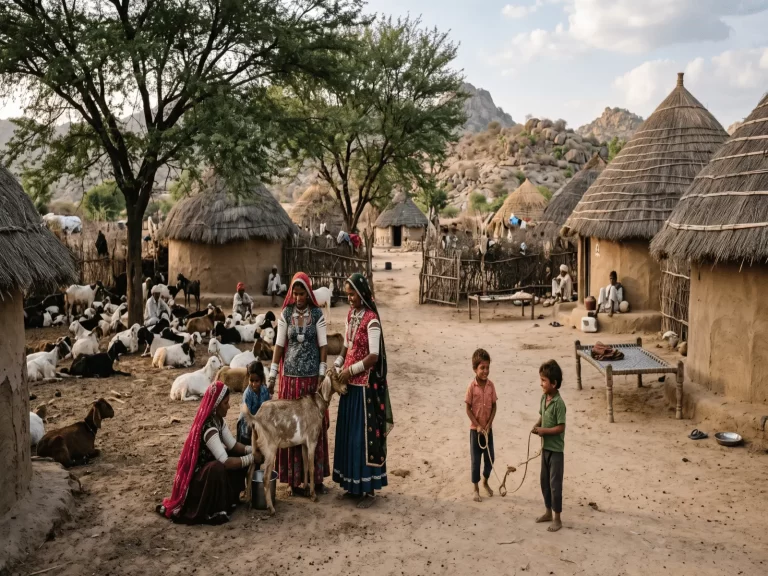
Jawai town, positioned closer to the dam and the railway station, functions as the most practical and varied of the three bases. It offers accommodation across all three tiers — luxury, mid-tier, and homestay — with a stronger concentration of homestay options than the other two zones, since the town itself supports a larger resident community engaged in daily life alongside its tourism economy. Its more central location also makes it a sensible choice if your itinerary includes interest in the dam’s substantial birdlife, or if your transport connections favor a more central point in the region.
What Jawai Town Trades Off
Jawai town feels less exclusively wildlife-focused than Bera or Sena, since it functions as an everyday rural town that also happens to host safari tourism rather than existing primarily around it. Travelers looking for the most immersive, wilderness-first atmosphere may find Bera or Sena better suited to that specific feeling, even though Jawai town offers strong practical advantages.
The Granite Geography Behind the Three Zones
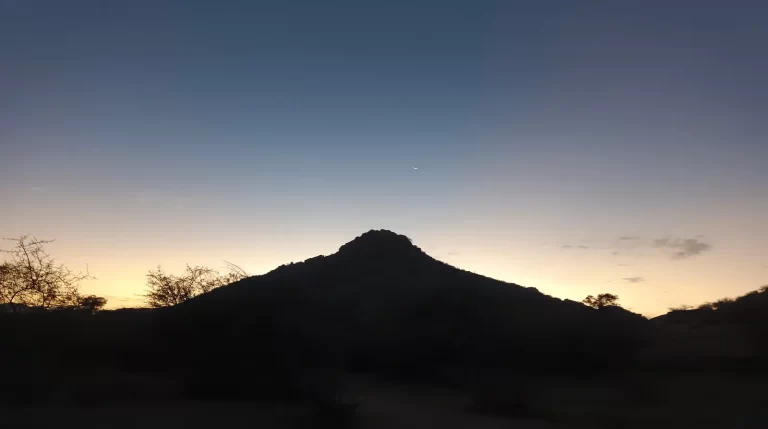
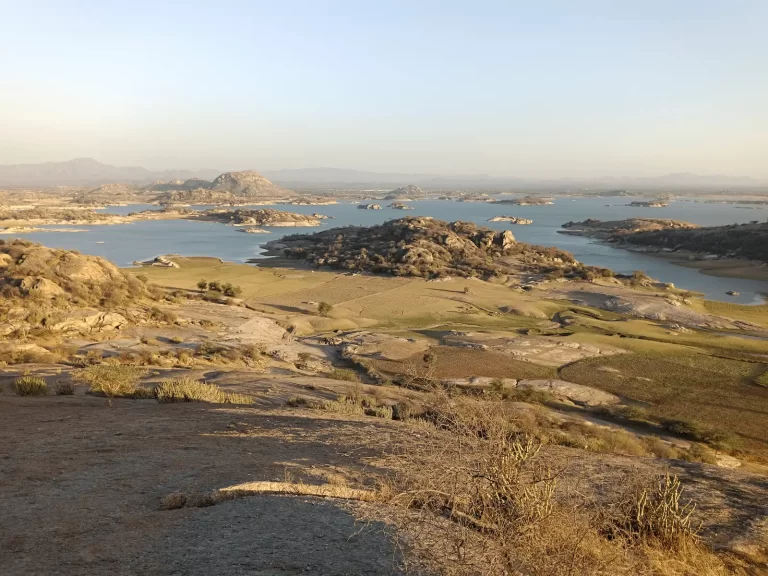
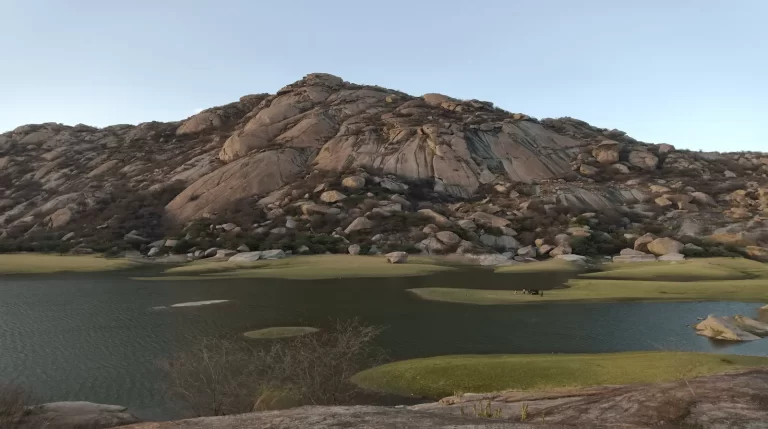
Understanding why these three zones exist as distinct areas at all helps explain the choice. The granite hills that define this landscape rise unevenly across the wider region rather than forming one continuous range, creating natural clusters of terrain that leopards favor for denning, resting, and hunting. Bera, Sena, and Devgiri (the latter more a specific territory than a tourism base) each sit within their own cluster of these granite formations, which is part of why safari routes and territory knowledge tend to be zone-specific rather than freely interchangeable. Jawai town’s position near the dam places it slightly apart from the densest granite clusters, closer to the water-based ecology that defines its own distinct wildlife character.
Which Base Actually Puts You Closest to the Leopards
This is the question most travelers are really asking when they compare these three zones, and the honest answer is more nuanced than a simple ranking. Leopard territory is spread across granite hills throughout the wider region, not concentrated exclusively in one of these three zones. Bera’s advantage is not that it has more leopards than Sena or Jawai town in some absolute sense, but that its established, dense concentration of experienced naturalists and safari infrastructure means route planning and territory knowledge tend to be most refined here, simply through years of accumulated, continuous observation. Sena offers genuinely strong access to active territory as well, with a calmer atmosphere as the trade-off for a narrower property selection. Jawai town’s proximity to the dam adds a genuinely different wildlife dimension — flamingos, cranes, and other birdlife, alongside crocodiles at the water’s edge — that neither Bera nor Sena offers to the same degree, even if its safari infrastructure is somewhat less concentrated than Bera’s.
In practice, the difference in raw sighting probability between the three zones is smaller than the difference in atmosphere, property density, and overall trip character. Choosing based on the kind of trip you want — busier and more infrastructure-rich, quieter and calmer, or more varied and practical — will generally serve you better than trying to optimize purely for a marginal difference in territory access.
Seasonal Differences Between the Three Zones
The choice between zones can also shift slightly by season. In winter, when safari demand peaks across the entire region, Bera’s larger property inventory offers more flexibility for last-minute or less-flexible travel dates, while Sena’s smaller inventory can sell out faster despite its quieter reputation. In the hotter months, Jawai town’s proximity to the dam becomes a genuine advantage, since the water body moderates the immediate surrounding area slightly and the birdlife activity around the dam tends to be excellent regardless of the summer heat affecting overland safari comfort. During monsoon, when the landscape turns green and the dam fills, all three zones offer a strikingly different visual character than the dry months, though road conditions and safari scheduling can be more variable across the whole region during heavy rain.
Matching Base to Traveler Type
Photography-focused travelers who want the deepest naturalist expertise and the widest choice of specialized camps tend to do best in Bera. Travelers who have already experienced Jawai once, or who specifically want a quieter, less populated base without sacrificing much in terms of safari quality, often gravitate toward Sena. Families, budget-conscious travelers, and anyone who wants a more central, practical base with a stronger homestay presence and easy dam access tend to find Jawai town the most sensible fit. Couples have genuine options across all three, depending on whether they’re seeking the polish and density of Bera, the quiet exclusivity of Sena, or the varied, grounded character of Jawai town.
What First-Time Visitors Often Get Wrong
A common mistake among first-time visitors is choosing a base purely on the strength of a single photograph or a single recommendation from a friend’s trip, without considering how that zone matches their own priorities. A traveler who saw a stunning image from Bera might book there without realizing that a quieter, more personal experience in Sena would actually suit their temperament better, or that their interest in birdlife would be far better served by a Jawai town base near the dam. Spend a little time being honest with yourself about what you actually want from the days you’ll spend here — density of expertise and choice, quiet solitude, or practical variety — before locking in a zone based on a single striking image.
Can You Combine Zones in One Trip?
It is possible, though most guests choose to base themselves in a single zone for the duration of their stay, since safaris are organized locally and time spent driving between zones eats into the valuable early morning and late afternoon windows when leopard activity peaks. For a longer trip, some travelers do split their stay — a few nights in Bera followed by a shift to Jawai town for a more relaxed final stretch closer to their onward transfer, for example. This works well with the right itinerary planning but requires more coordination than a single-base trip.
Our Recommendation Approach
We don’t push guests toward a single “best” zone, because the honest answer genuinely depends on what you’re optimizing for — density of expertise and property choice, quiet exclusivity, or practical centrality and variety. When you tell us your priorities, your dates, and your group composition, we can recommend a base with real confidence rather than a generic default.
Message us on WhatsApp for current pricing and a quote tailored to your dates and group size.