How Much a Jawai Trip Costs: A Realistic Budget by Travel Style
How Much a Jawai Trip Costs: Thinking About It the Right Way
Every traveler researching a Jawai trip eventually wants a number. We understand the instinct, and we’re not going to pretend it doesn’t matter — budget shapes almost every other decision in a trip. But a single figure would mislead you more than it would help, because the cost of a Jawai trip depends on a handful of genuinely variable factors that shift the total more than most travelers expect. What we can do instead is walk you through exactly what drives the cost up or down, and describe three realistic travel-style archetypes so you can place yourself honestly on that spectrum before you ask us for a specific quote.
The Real Cost Drivers
Accommodation Tier
This is usually the single largest swing factor in a Jawai trip budget. Luxury tented camps and boutique resorts, with dedicated in-house naturalists, elaborate dining, and design-forward properties built specifically around the landscape, sit at the top of the range. Mid-tier resorts and well-run guesthouses offer comfortable, reliable stays at a meaningfully lower cost. Family-run homestays sit at the most accessible end, trading polish and amenities for warmth, home-cooked meals, and direct contact with a local family. Your choice here affects the total budget more than any other single decision.
Safari Structure: Private vs Shared, and How Many Drives
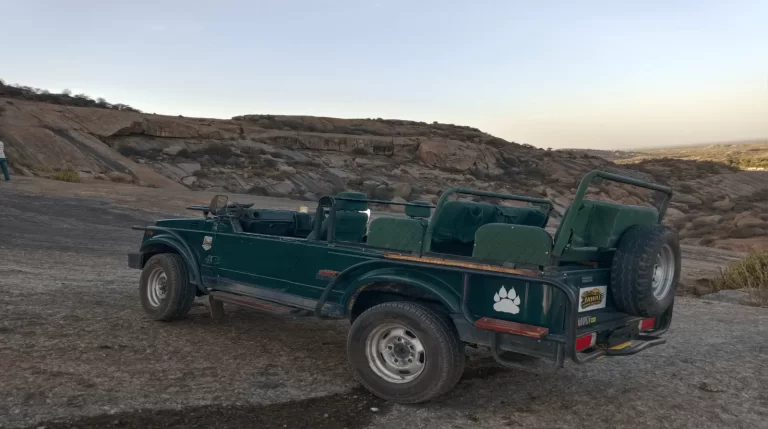
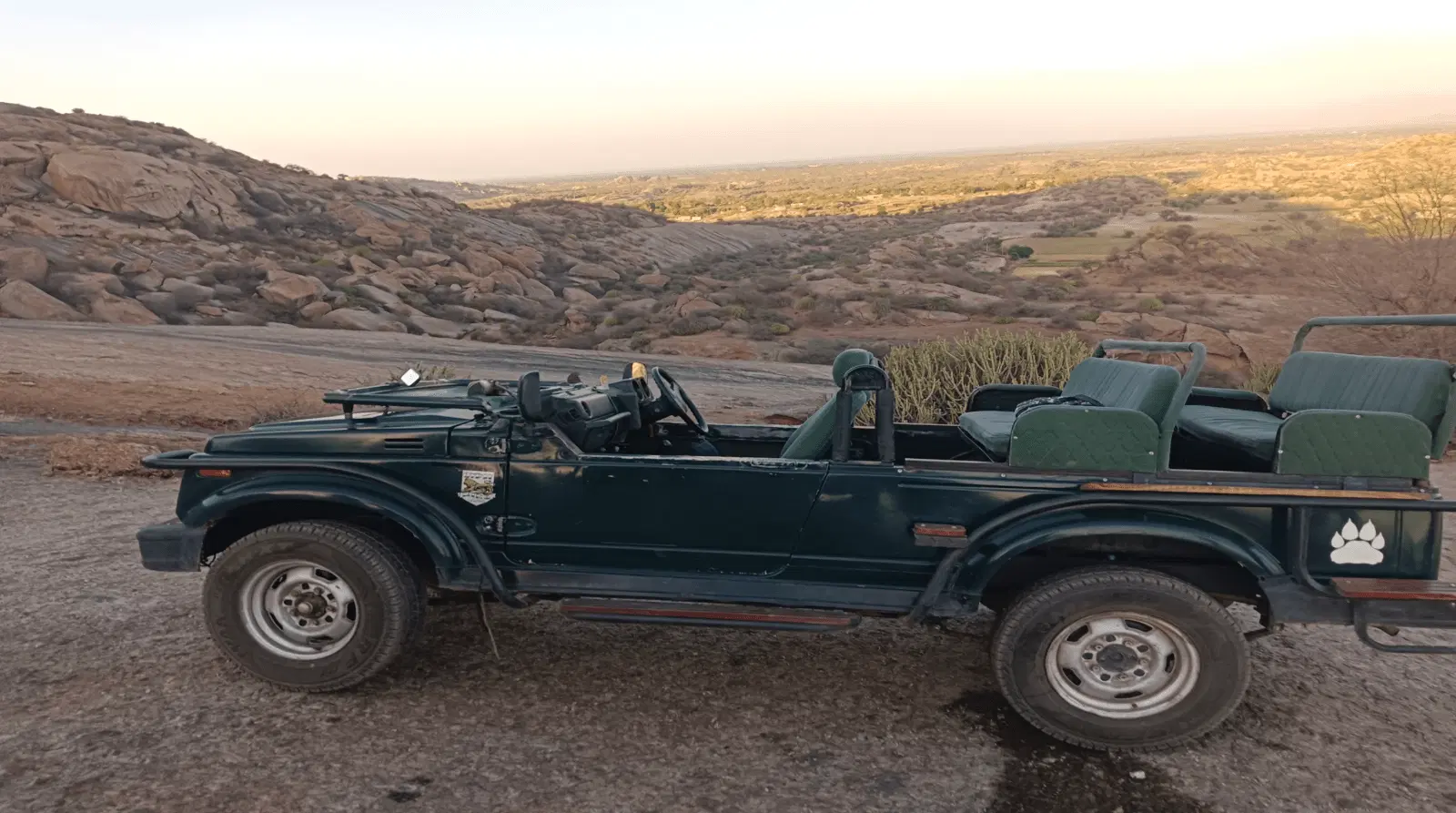
A private jeep safari, where your vehicle and naturalist are dedicated entirely to your group, costs more than a shared safari split across multiple unrelated travelers, but it gives you control over pace, photography positioning, and timing that a shared vehicle cannot. The number of safaris you book also matters directly — a single morning drive costs less than a sunrise-and-sunset combination, which in turn costs less than a full-day or dedicated photography safari that holds a vehicle and naturalist for an extended session. Travelers optimizing for sighting probability generally add more drives rather than fewer, since no single drive is ever guaranteed to produce a leopard sighting.
Group Size and How Costs Split
Many of Jawai’s per-trip costs — a private vehicle, a stay arrangement, a transfer — are priced per group or per vehicle rather than strictly per person, up to a reasonable capacity limit. This means a larger group traveling together often achieves a meaningfully lower per-person cost than a solo traveler or a couple, simply because fixed costs are being divided across more people. Solo travelers and couples should expect a higher per-person cost as a structural reality of how safari and transfer pricing works, not as a penalty specific to smaller groups.
Transfers and How You Reach Jawai
Jawai has no airport of its own, so every visitor arrives via a road transfer from a nearby city (commonly Udaipur or Jodhpur) or via the limited train service to Jawai Bandh railway station followed by a local transfer. Private transfers cost more than shared or self-arranged transport but offer far more control over timing, comfort, and flexibility, which matters given how much of a Jawai trip depends on hitting the right safari windows. The distance and mode you choose for this leg is a meaningful line item, particularly for a shorter trip where transfer time makes up a larger share of the total.
Season
Peak season, broadly the cooler months when safari conditions are most comfortable and demand is highest, tends to carry higher accommodation and safari costs simply through demand pressure, and the best properties and time slots book out earliest. Shoulder and warmer-season travel typically offers more room to negotiate and more availability, sometimes at a genuinely lower total cost, at the trade-off of more challenging midday heat.
Trip Length and Whether You Combine Jawai With a Wider Circuit
A short, focused Jawai visit costs less in total than a longer stay, obviously, but per-day costs often improve slightly on a longer trip since transfer costs are amortized across more days. Many travelers also combine Jawai with a wider Rajasthan circuit — Udaipur, Jodhpur, Ranakpur, Kumbhalgarh — which changes the overall trip economics again, since transfers and logistics can sometimes be shared or sequenced efficiently across a multi-stop itinerary rather than treated as a single isolated leg.
Add-Ons: Village Walks, Photography Sessions, and Extras
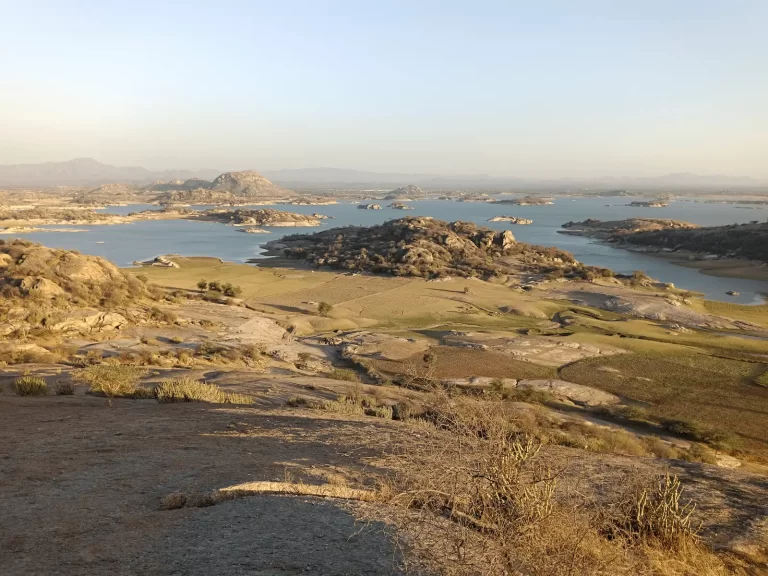
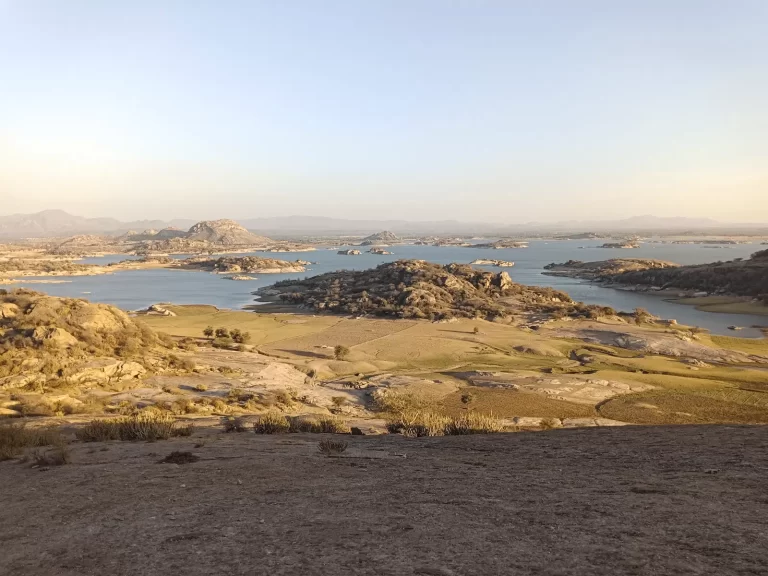
Beyond the core safari and stay, some travelers add a respectful village walk, an extended photography-focused session, or a bird and crocodile-focused visit to the dam. Each of these is a genuine additional line item rather than something bundled invisibly into a base package, and they’re worth planning for explicitly if they matter to you rather than assuming they’re automatically included.
Three Realistic Travel-Style Archetypes
The Value-Conscious Traveler
This traveler prioritizes experiencing Jawai authentically without paying for premium polish. They typically choose a homestay or a simple mid-tier guesthouse, book shared rather than private safaris where compatible with their schedule, travel in a larger group to split fixed costs, and keep the trip length efficient rather than extended. This approach delivers a genuine, honest Jawai experience — the leopards and the landscape don’t change based on your accommodation tier — at the most accessible overall cost. The trade-offs are less flexibility in safari timing, simpler rooms and dining, and less individualized naturalist attention.
The Balanced Mid-Range Traveler
This is where a large share of Jawai visitors land. A comfortable mid-tier resort, a private safari for at least the key drives (often the first morning, when getting the timing and positioning right matters most), a private transfer for comfort and control, and a trip length of two to three nights to allow for more than one safari attempt. This style balances cost discipline against the genuine value of privacy, comfort, and increased sighting probability that come from a private vehicle and a properly paced itinerary.
The Premium Traveler
This traveler prioritizes the fullest version of the Jawai experience: a luxury tented camp or boutique resort with a dedicated naturalist, private safaris across every drive, a full-day or dedicated photography session, a private transfer door to door, and often a longer stay that allows for a slower pace and multiple safari attempts across different zones or times of day. This style also tends to include extras like a respectful village experience or extended time at the dam for birdlife. The premium version of a Jawai trip is not primarily about luxury for its own sake — much of what you’re paying for is naturalist expertise, flexibility, and the increased sighting probability that comes from more drives and better positioning, alongside genuine comfort after early, cold mornings in the field.
A Note on Currency Fluctuation and International Travelers
International travelers researching costs online sometimes find conflicting figures because posted prices age quickly and currency conversion adds another layer of variability on top of already-shifting local rates. Rather than anchoring to a number that may already be stale by the time you read it, or that may look different once converted through your own currency’s daily exchange rate, it is generally more reliable to request a current quote directly once your dates are firm. This also lets us account for any seasonal demand shifts, since peak-season rates and shoulder-season rates are not the same, and a quote requested in advance for a specific set of dates will always be more accurate than a general figure.
What Doesn’t Change Across Any Budget Level
Regardless of which archetype you fall into, a few things hold constant. No operator, at any price point, can honestly guarantee a leopard sighting — probability improves with more drives, better timing, and experienced naturalists, but nothing removes the element of genuine wildlife unpredictability. Every safari, at every budget level, must now run through a committee-registered, GPS-tracked vehicle under the 2026 rules, and any operator offering to skip this for a lower price is offering you a legally uncertain, ethically compromised experience regardless of how attractive the number looks. And every tier of accommodation shares the same practical realities of the region — patchy mobile connectivity, a cash-lean local economy, and medical facilities that are a drive away rather than on-site.
How We Help You Land on the Right Number
Because so much of a Jawai trip’s total cost depends on choices specific to you — group size, dates, accommodation tier, how many safaris, whether you want a wider circuit — we don’t publish a single blanket price on this site, and we’d be doing you a disservice if we did. What we do instead is build a quote around your actual plans: your dates, your group size, the balance of comfort and budget you’re aiming for, and whether you want the trip to stand alone or connect into a wider Rajasthan itinerary. This gives you a real number to plan around rather than a marketing figure that may not reflect your specific trip once the details are filled in.
If you’d like an honest, itemized sense of what your specific Jawai trip would cost, message us on WhatsApp for current pricing and a quote tailored to your dates and group size.