
Jawai Travel Guide & New Rules
Planning a Jawai Trip: What Actually Matters on the Ground
Jawai does not behave like most Indian destinations that show up on a Rajasthan itinerary. There is no single town center, no tourist strip of shops and cafes, and no obvious infrastructure telling you where to go or what to expect. It is a scattered rural landscape of granite hills, farmland, and small settlements spread across Pali district, organized loosely around three zones that locals and safari operators refer to as Bera, Sena, and Devgiri, with the Jawai Bandh dam sitting at the heart of the region’s geography and ecology. Understanding this layout matters before you understand anything else, because it explains why the practical logistics here are genuinely different from Udaipur, Jodhpur, or Jaipur.
This guide is the master reference for the practical side of a Jawai trip: what connectivity looks like, how to handle cash, what health and medical realities you should plan around, how safe the region is for families, solo travelers, and couples, and how to pack for a climate that can swing from near-freezing dawns to warm afternoons within the same day. If you want the full depth on any one of these subjects, we have written dedicated posts on each, and we link to them throughout. Think of this page as the map and the linked posts as the detailed terrain notes.
Getting Your Bearings: Bera, Sena, and Devgiri
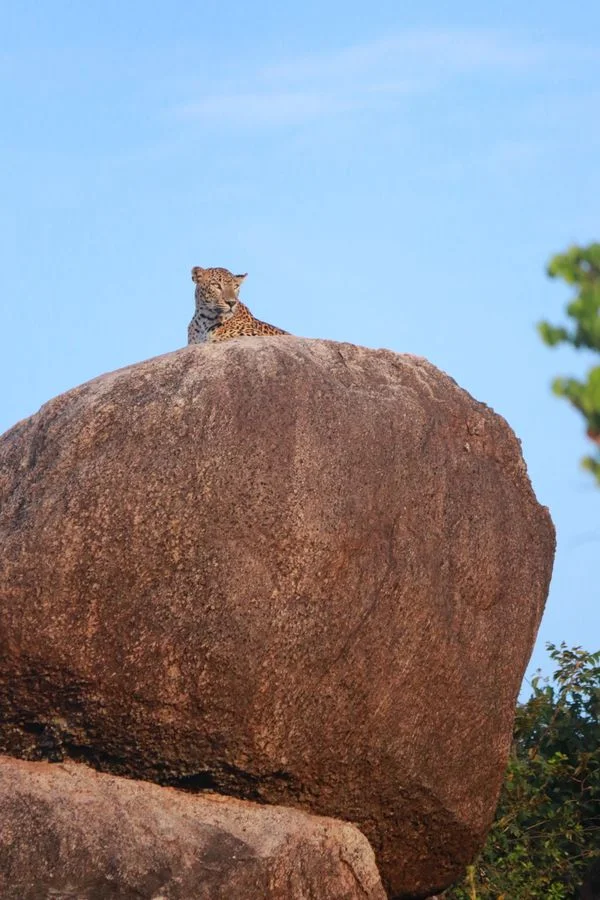
Jawai is not a fenced reserve with a single gate and a ticket counter. It is an open, inhabited landscape where granite hills rise abruptly out of farmland, and leopards move across a mix of private land, community grazing ground, and rocky outcrops that have never needed fencing because the terrain itself does the work. Bera is the most developed of the three zones for wildlife tourism, with the highest concentration of dedicated safari camps and the longest history of leopard-focused hospitality. Sena, a little further from the main cluster, is quieter, less built up, and still offers strong access to leopard territory without the same density of camps. Jawai town itself, closer to the dam and the railway station, is more of a practical hub — mixed accommodation, local services, and a more central position if you are also interested in the dam’s birdlife.
None of this is a reason to worry about getting lost or stranded. It simply means your accommodation choice determines your daily rhythm more than it would in a city-based trip. Most guests base themselves in one zone for their entire stay and do not move between them, since safaris are organized locally and driving between zones eats into the early morning and late afternoon windows when leopards are most active. We cover how to choose between these three bases, and what each actually puts you closest to, in a dedicated comparison post — but for the purposes of practical planning, what matters here is simply that Jawai is a region, not a single point on the map, and your choice of base shapes almost everything else about your trip.
How People Actually Arrive
Most visitors reach Jawai by road from Udaipur or Jodhpur, both of which sit within a manageable drive, or by rail via Jawai Bandh railway station, which sees a limited number of trains but is genuinely useful if your route allows for it. There is no airport in Jawai itself, so every visitor is arriving by a combination of flight-plus-road-transfer or train-plus-road-transfer. This means your first and last day of the trip should be planned around transfer time rather than treated as a full day of safari activity. Guests who try to arrive and go straight into an afternoon safari on the same day sometimes find themselves rushed and tired for what should be a slow, attentive experience. We generally recommend building in a buffer, especially if you are coming from outside India and adjusting to both time zone and climate at once.
Mobile Network and Staying Connected
This is the single practical detail that catches first-time visitors off guard most often. Jawai sits in a genuinely rural stretch of Rajasthan, and mobile coverage is patchy rather than absent. You will typically get a usable signal near main roads, at established camps and resorts (many of which now offer Wi-Fi specifically because of this gap), and in the larger settlements. Once you are out on a safari track between granite hills, or staying at a more remote homestay, do not expect reliable data or even consistent voice calls. This is not a flaw in the destination — it is simply the reality of a landscape built around hills and open country rather than towers and density.
The practical response is straightforward: tell people at home that you may be unreachable for stretches of a few hours at a time, download offline maps before you arrive, and treat any connectivity at your camp as a bonus rather than a guarantee. If constant connectivity is essential for work, ask your accommodation directly about their Wi-Fi reliability before booking, since it varies significantly between properties. We go into carrier-specific detail, what works and what doesn’t, and how this interacts with payments and bookings in our dedicated post on mobile network, ATMs, and medical access.
Cash, ATMs, and Paying for Things
Jawai is still a cash-lean environment in practice, even though most established camps and resorts now accept cards or digital payments for the main bill. The issue is everything around the edges — a homestay meal, a small craft purchase, a tip for a naturalist or driver, a roadside chai stop. ATMs are limited in number and concentrated in the larger towns nearby rather than scattered through the safari zones themselves, and a machine being present does not guarantee it is stocked or working on any given day. The sensible approach is to arrive with enough cash on hand to cover several days of incidental spending, and to treat any ATM you do encounter as a top-up opportunity rather than your primary plan.
This is worth taking seriously rather than assuming it will sort itself out on arrival, particularly if you are coming in from an international flight and haven’t had a chance to withdraw rupees at an airport counter. It is also worth mentioning to anyone traveling with you who is used to tapping a card for everything — the habit of carrying cash and mentally tracking small expenses takes a day or two to settle into, and it is far less stressful to plan for it than to discover the gap mid-trip. We cover specific cash strategies, typical ATM locations, and what to budget in small notes in our full guide to money and connectivity in Jawai.
Health, Medical Access, and Basic Precautions
The honest answer here is that Jawai is remote relative to serious medical infrastructure. The nearest facilities capable of handling anything beyond routine care are a drive away — this is true of most rural districts in India, and Jawai is no exception. This does not mean the destination is risky in daily terms; most trips pass without any medical concern beyond the ordinary travel adjustments of new food, new water, and a change in climate. But it does mean you should plan with the same care you would for any remote countryside trip anywhere in the world.
Practical steps that matter: bring a basic travel medical kit with any personal medication clearly labeled and in sufficient supply for the full trip plus a buffer, purchase travel insurance that covers medical evacuation if you don’t already have it, tell your accommodation about any serious allergies or conditions on arrival so they know before an early morning safari departure, and drink bottled or properly filtered water rather than assuming tap water is safe, which is standard advice across rural India. Sharp temperature swings between dawn and midday, especially in winter, can catch travelers out with minor colds or dehydration if they dress for only one end of the day — we address this directly in our packing guide below.
None of this is meant to alarm you. Thousands of travelers pass through Jawai every season without incident. It is simply that “nearest hospital is a drive away” is a fact you should know and plan around rather than discover under pressure. Good accommodation partners are used to this reality and generally know the nearest reliable options for anything from a minor issue to something more serious, which is one more reason to book stays and safaris through people who work this ground regularly rather than piecing a trip together blind. Our dedicated post on mobile network, ATMs, and the nearest hospital covers this in full operational detail, including how safari operators handle medical situations in the field.
Is Jawai Safe? Families, Solo Travelers, and Couples
Safety questions about Jawai tend to fall into two separate categories that are worth untangling: personal safety (crime, harassment, general travel risk) and wildlife safety (proximity to leopards and other animals). On the personal safety side, Jawai is a rural, sparsely populated, low-crime part of Rajasthan. It is not a nightlife destination and does not have the petty-crime pressure points that exist in dense tourist areas. Families traveling with children generally find it calm and manageable, provided they respect early bedtimes around safari schedules and pack for the temperature swings. Solo travelers, including solo women, generally report feeling comfortable at established camps and resorts, particularly when arranging transport and safaris through a vetted, registered operator rather than ad hoc arrangements. Couples looking for a quieter, less crowded wildlife experience than India’s larger tiger reserves tend to find Jawai’s slower pace and lower visitor density genuinely suited to that.
On the wildlife side, the coexistence between leopards and the local Rabari pastoralist community is one of the most distinctive things about this landscape — people have lived alongside these leopards for generations without the adversarial relationship you might expect. That coexistence is a fact of the ecology, not a performance staged for visitors, and it is one of the genuine reasons this destination feels different from a conventional wildlife reserve. Safaris themselves are now more tightly regulated than ever following a 2026 Rajasthan High Court order and Forest Department Standard Operating Procedure, which introduced mandatory registration for safari vehicles with a coordination committee, mandatory GPS tracking, and fixed daylight safari hours of roughly 6am to 7pm, alongside a firm ban on night safaris, spotlighting, drone use, baiting, and call playback, with real penalties attached to violations. We always work exclusively with committee-registered, GPS-tracked operators for exactly this reason. Our dedicated post on safety for families and solo travelers goes deeper into specific scenarios, and our post on the 2026 rule changes explains exactly what the new regulatory framework means for your visit.
What to Pack: Planning Around a Climate of Extremes
Jawai’s climate is defined by contrast, and this catches out more travelers than almost any other practical detail. Winter mornings, when the best safari activity tends to happen, can be genuinely cold — cold enough that experienced guests layer up seriously for a 6am departure in an open jeep, only to be in short sleeves by mid-morning as the sun climbs over the granite. Summer brings dry, intense heat across the middle of the day, with mornings and evenings still being the workable windows for a safari. Monsoon season transforms the whole landscape, turning the granite hills green and filling the dam, at the cost of higher humidity and the possibility of rain disrupting plans.
The core packing principle for any season is layering rather than committing to one temperature. Winter visitors in particular underestimate how cold a dawn safari feels in an open vehicle moving through hill country — a proper jacket, a hat, and a layer for your hands is not excessive. Across all seasons, neutral-colored clothing (khaki, olive, muted tones rather than bright colors) is the standard for safari etiquette, alongside sturdy closed shoes for any walking on uneven granite terrain, sun protection for the exposed hours, and a basic first-aid and medication kit as discussed above. Our full seasonal packing guide breaks this down month by month, including the specific winter dawn layering system that experienced repeat visitors rely on.
Food, Water, and Daily Rhythm
Most accommodation in Jawai, across all tiers, builds meals into the stay rather than expecting guests to source food independently, which makes sense given how spread out the region is. Luxury camps and resorts typically run structured mealtimes around safari departures, mid-tier resorts offer a similar but simpler version of the same, and homestays often serve home-cooked meals that are genuinely one of the highlights of a stay here. Days generally follow a rhythm built around the two daylight safari windows — early morning and late afternoon — with a long rest period around midday when the heat (in most seasons) makes activity outside unappealing anyway. This is worth knowing in advance so you don’t plan an itinerary that fights against the natural shape of a Jawai day.
How the Pieces Fit Together
The reason we’ve built this page as a hub rather than trying to cram every detail into one document is that each of these subjects — the 2026 rule changes, night safari regulations, honest trip budgeting, safety specifics, seasonal packing, and the mobile network and medical picture — deserves its own depth. A traveler planning a family trip in December has different questions than a solo photographer planning a monsoon visit, and we would rather answer both properly than give you a shallow summary of everything.
What we can tell you plainly, from this hub, is that Jawai rewards travelers who arrive prepared rather than assuming it will run like a more conventional tourist circuit. Cash in hand, a realistic view of connectivity, sensible health precautions, the right layers for the temperature swing, and an understanding of how the current safari rules work will put you well ahead of most first-time visitors. Everything below in our linked posts exists to make sure none of these practical details become the thing that gets in the way of what you actually came for — the granite hills, the dawn light, and the chance, never guaranteed but genuinely good, of watching a leopard move across this extraordinary landscape.
Where to Go From Here
If you are still deciding where to stay, our companion hub, “Where to Stay in Jawai,” covers the three accommodation tiers — luxury camps, mid-tier resorts, and homestays — and the three geographic bases in detail, which pairs naturally with the practical planning covered here. If you already know your dates and are working through the specifics of rules, budget, safety, packing, or connectivity, use the links throughout this page to go deeper on each. And whenever you are ready to move from research to planning an actual itinerary, message us on WhatsApp for current pricing and a quote tailored to your dates and group size.