
Where to Stay in Jawai
Where to Stay in Jawai: The Decision That Shapes Your Whole Trip
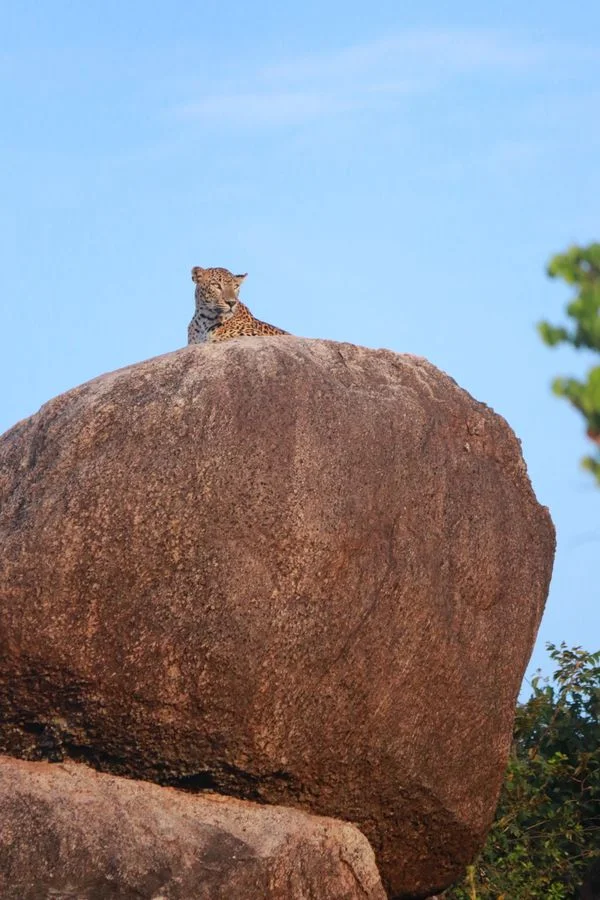
Choosing where to stay in Jawai is not a side decision the way it might be in a city break, where a hotel is mostly a place to sleep between activities. Here, your accommodation is the center of the trip. It determines which granite hills and leopard territories you have easiest access to, what your daily rhythm looks like, how your meals work, whether you have a dedicated naturalist guiding your safaris, and how much comfort you have to retreat to after an early dawn departure. Because Jawai has no single town center and no dense hotel strip, the accommodation landscape here is genuinely spread across a rural region, and understanding both the tiers of stay available and the geographic bases they cluster around will save you from a mismatched booking.
This hub is the master reference for that decision. We cover the three broad tiers of accommodation — luxury tented camps and boutique resorts, mid-tier resorts and well-run guesthouses, and simple family-run homestays — and the three main geographic bases — Bera, Sena, and Jawai town — along with how the two questions interact. If you want the fuller depth on any single piece of this decision, we have written dedicated posts covering each angle, linked throughout.
Why Jawai’s Accommodation Landscape Is Different
Most travelers arrive in Jawai expecting to research accommodation the way they would for a city trip — comparing listings on a booking platform, reading star ratings, filtering by amenities. That approach works only partially here. Jawai is a rural region without a dense concentration of comparable properties in one searchable strip, and a meaningful share of what separates one stay from another — the quality of the resident naturalist, how current their knowledge of leopard movement is, how a homestay family actually treats guests day to day — simply doesn’t show up cleanly in an online listing. This is part of why local knowledge and direct relationships matter more here than in most destinations, and why we take the approach we do rather than pointing you at a generic listings page and wishing you luck.
The Three Tiers of Accommodation in Jawai
Luxury Tented Camps and Boutique Resorts
At the top end, Jawai’s luxury tier is built almost entirely around dedicated wildlife tourism rather than generic five-star hospitality. These are tented camps and boutique resorts designed specifically around the granite landscape, often positioned to make the most of hill views, open skies, and proximity to known leopard territory. What genuinely distinguishes this tier is not just thread counts or décor — it’s the presence of a dedicated in-house naturalist who understands the local leopard territories, reads terrain and behavior, and can meaningfully shape which safari route gives you the best chance on a given morning. Dining at this tier tends to be flexible and personalized, sometimes including private meals or breakfast set up with a view of the hills, and many properties are designed with the landscape as the primary feature rather than an afterthought outside a window. Some also offer amenities like private plunge pools, though the defining value here is expertise and design, not resort amenities for their own sake.
Mid-Tier Resorts and Well-Run Guesthouses
The middle tier is where a large share of Jawai’s visitors actually stay, and for good reason — it offers comfortable, well-appointed rooms, reliable service, and solid safari arrangements without the premium price of the top tier. These properties are often run by people with genuine local knowledge, even if they don’t have a dedicated in-house naturalist on the luxury model. Meals are usually straightforward and good rather than elaborate, common areas are comfortable, and the overall experience is dependable. For travelers who want a comfortable base and a well-organized safari without paying for the full luxury experience, this tier consistently offers the strongest value in the region.
Homestays: Simple, Family-Run, and Genuinely Warm
At the simplest end, Jawai’s homestays are family-run guesthouses that trade five-star polish for something harder to manufacture: genuine warmth and authenticity. Rooms tend to be basic — clean and comfortable, but without the design flourishes of a boutique camp — and the real value is in the home-cooked meals, direct contact with a local family, and often a more affordable way to experience the region. Guests who choose homestays are usually not doing so purely to save money; many actively prefer the more personal, unpolished texture of staying with a local family over a more curated resort experience. Homestays are more common in and around Jawai town, where practical, everyday village life sits alongside the tourism economy.
The Three Geographic Bases
Bera: The Established Wildlife-Tourism Heart
Bera is the zone most closely associated with Jawai’s leopard safari reputation, and it shows in the concentration of accommodation here. This is where you’ll find the highest density of dedicated wildlife camps, the longest track record of safari-focused hospitality, and the most naturalist expertise concentrated in one area. If your priority is being based somewhere with the deepest institutional knowledge of leopard territory and the widest choice of luxury and mid-tier options, Bera is generally the strongest starting point. It is also the zone where you’re most likely to find other travelers who share your specific interest in wildlife and photography, which some guests enjoy and others prefer to avoid.
Sena: Quieter, Still Well-Positioned
Sena sits a little apart from Bera’s cluster and offers a genuinely quieter alternative without sacrificing much in terms of access to leopard territory. It has fewer properties overall, which suits travelers who want a more low-key base and don’t need the density of options that Bera offers. Sena tends to appeal to repeat visitors and those who have already experienced the more established Bera circuit and want a different, calmer angle on the same landscape. The trade-off is a narrower choice of properties, so booking ahead matters more here than in Bera, particularly in peak season.
Jawai Town: Central, Practical, Varied
Jawai town, positioned closer to the dam and the railway station, functions as the most practical and varied of the three bases. Accommodation here spans all three tiers, services are a little more accessible, and its more central position makes it a sensible choice if you also want easy access to the dam’s birdlife alongside the leopard safaris, or if your transport connections favor a more central base. It tends to feel less exclusively wildlife-focused and more like an everyday rural Rajasthani town that also happens to be a safari base. This is also generally where you’ll find the strongest concentration of homestay options, since the town itself has more of a resident community than the more tourism-dedicated stretches of Bera.
Matching Tier and Base to Your Travel Style
There is no single correct combination here — the right answer depends on what you are actually optimizing for. A couple seeking a quiet, design-led retreat with a dedicated naturalist and flexible private dining will usually be best served by a luxury camp in Bera. A family or budget-conscious group that wants comfort and reliability without paying for the premium experience often does best at a mid-tier resort, in either Bera or Sena depending on availability. A traveler who wants the most personal, culturally immersive version of a Jawai stay, and doesn’t mind simpler rooms, will often get more out of a homestay, frequently based in or around Jawai town. Photography-focused travelers tend to lean toward the luxury tier specifically because of the naturalist relationship — knowing which granite outcrop had activity yesterday morning is worth more to a photographer than an extra amenity.
It’s also worth noting that these decisions compound. A luxury camp in Bera and a homestay in Jawai town are not just different price points — they are genuinely different trip experiences, with different paces, different levels of guidance, and different textures of interaction with the landscape and the people who live in it. Neither is more “authentic” than the other; they simply deliver different things well. Some travelers also choose to split a multi-night stay across two properties or bases, spending part of the trip in a Bera camp for the safari depth and finishing in Jawai town for a more relaxed, practical final day before departure — this works well if your itinerary has the time for it.
Seasonal Considerations for Booking
Accommodation availability in Jawai follows the same seasonal pattern as safari demand generally. The cooler months tend to be the busiest across all three tiers and all three bases, and the smaller-inventory options — particularly Sena’s quieter properties and the most sought-after luxury camps in Bera — can book out well ahead of the date during this period. Shoulder and warmer months offer more flexibility and availability, though some homestays and smaller resorts scale down services during the hottest stretch of the year. If your travel dates are fixed rather than flexible, it is worth starting the accommodation conversation earlier rather than later, especially if a specific tier or base matters more to you than others.
What Every Tier and Base Has in Common
Regardless of which tier or base you choose, a few things hold constant across Jawai. Safaris are conducted only through committee-registered, GPS-tracked vehicles under the 2026 Forest Department rules, with fixed daylight hours and a firm ban on night safaris, spotlighting, drones, baiting, and call playback. No property or operator can promise you a leopard sighting — the honest position, and the one we always take, is that sightings are probable but never guaranteed, and depend on season, timing, and a certain amount of luck. Mobile connectivity is patchy across the whole region regardless of tier, cash is still the practical currency for incidentals everywhere, and the nearest serious medical facilities are a drive away from any of the three bases. None of this should discourage you — it simply means the accommodation decision is about comfort, guidance, and atmosphere, not about escaping the practical realities of a genuinely rural destination.
Booking Through Us Rather Than Blind
We do not operate camps, resorts, or homestays ourselves, and we don’t publish named endorsements or rankings of specific properties on this site. What we do instead is work directly with a small set of accommodation partners across these tiers and bases, matched to what you’re actually looking for — the pace, the budget, the level of guidance, and the specific base that fits your itinerary. This matters more in Jawai than in most destinations because the region doesn’t have a searchable, comparable hotel listing culture the way cities do; a lot of what makes one property meaningfully better than another for your specific trip is local knowledge that doesn’t show up cleanly on a booking site.
Going Deeper
If you want more detail on any single part of this decision, we’ve written dedicated posts covering each angle in depth. Our post on camps, resorts, and homestays goes further into what each tier concretely gives you day to day. Our comparison of Bera, Sena, and Jawai town breaks down which base puts you genuinely closest to active leopard territory at different times of year. And our post on the gap between luxury camps and budget stays looks specifically at what the difference in comfort and service actually buys you, without quoting figures, so you can weigh the qualitative trade-off clearly before deciding what matters most for your trip.
Ready to Decide
The honest truth is that there is no universally “best” place to stay in Jawai — there is only the best fit for the trip you’re planning. A first-time family visit, a photography-focused solo trip, a slow honeymoon, and a budget-conscious backpacking stop all point toward different tiers and different bases, and getting this match right shapes almost everything else about how the trip feels. Tell us what you’re looking for — pace, budget, comfort level, and dates — and message us on WhatsApp for current pricing and a quote tailored to your dates and group size.
Questions Worth Asking Before You Book
A few direct questions will tell you more about a property than a listing description ever will. Does the property have a dedicated in-house naturalist, or does it rely on shared local drivers and guides? How far is the property from the safari entry point for its zone, and does that distance eat into your early morning window? What does the meal arrangement actually include, and is there flexibility if your group has dietary needs? Is Wi-Fi genuinely reliable, or only available in common areas at certain times of day? What is the cancellation and rescheduling policy, given that weather and road conditions can occasionally affect a rural trip like this? We ask these questions on your behalf as a matter of course when arranging a stay, precisely because the answers vary property by property in ways that aren’t always visible from outside. It also helps to be candid about your own priorities up front rather than mid-conversation — whether that’s a strict budget ceiling, a non-negotiable need for a private bathroom, a preference for a specific zone because of a previous trip, or simply wanting the calmest possible pace with minimal driving between stops. The clearer we understand what you actually want out of the stay, the better we can match you to a property that will deliver it, rather than the property that happens to have availability.