Mobile Network, ATMs and the Nearest Hospital: Jawai’s Practical Reality
Mobile Network, ATMs and the Nearest Hospital: Jawai’s Practical Reality
Most travel guides gloss over the unglamorous logistics of a destination in favor of the scenery, and we understand the temptation — granite hills and leopards make for a better opening paragraph than mobile signal strength. But the practical reality of connectivity, cash, and medical access shapes a Jawai trip more than most other single factor, and getting it wrong causes more mid-trip stress than a missed leopard sighting ever does. Here is the straightforward, unglamorous truth about all three.
Mobile Network: Patchy, Not Absent
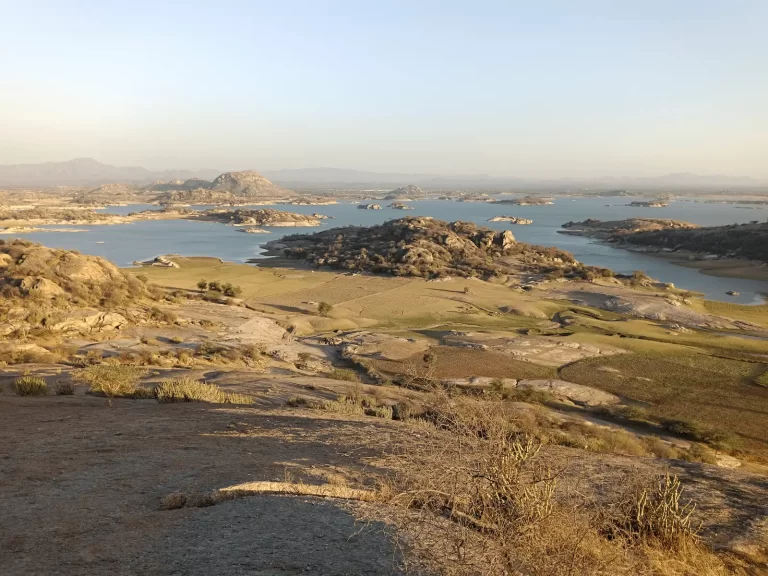
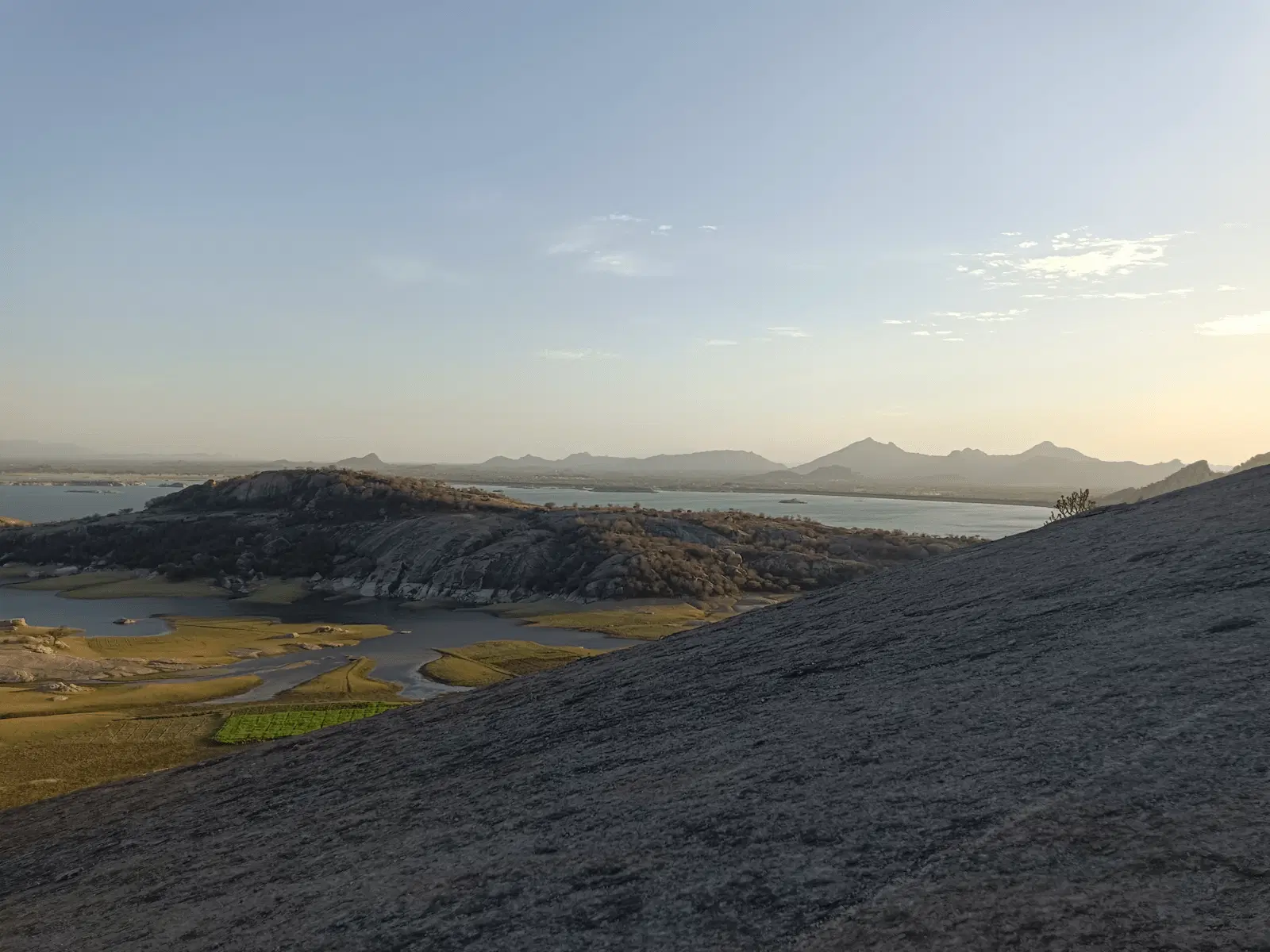
Jawai sits across a genuinely rural stretch of Pali district, spread over granite hill country rather than concentrated in a dense town. Mobile coverage reflects this geography: it exists, but it is inconsistent rather than reliable. You will typically get a usable signal on main roads, in the larger settlements, and at most established camps and resorts, many of which have invested in their own Wi-Fi specifically because guests expect it and cellular data can’t be relied upon. Once you’re out on a safari track winding between hills, or at a more remote homestay, expect your signal to drop out entirely for stretches, sometimes for hours at a time.
What This Means Practically
Set expectations with anyone at home before you leave — tell them you may be unreachable for periods during safari drives and in transit, and agree on a check-in rhythm that doesn’t depend on constant availability. Download offline maps for the region before you arrive, since real-time navigation may not be available when you need it most. If you’re traveling for work and need reliable connectivity, contact your accommodation directly before booking and ask specifically about their Wi-Fi setup and reliability, since this varies significantly between properties and tiers. Carrying a local SIM from a major provider generally gives better coverage than relying solely on international roaming, though neither will give you full, uninterrupted coverage across the whole region.
ATMs and Cash: Plan Ahead, Don’t Improvise
Jawai remains a fundamentally cash-lean environment in daily practice, even as larger camps and resorts increasingly accept cards or digital payment for the primary bill. The friction shows up around the edges: a homestay meal, a small purchase from a local craftsperson, a tip for your naturalist or driver, a roadside stop for chai or snacks on a transfer. None of these run smoothly on a card.
Where ATMs Actually Are
ATMs are concentrated in the larger towns near the safari zones rather than scattered conveniently throughout Bera, Sena, or the more remote parts of Jawai town. A machine being present in a nearby town is also no guarantee it’s stocked with cash or functioning on any given day — this is a common enough occurrence in rural India that it shouldn’t be treated as a rare edge case. The sensible strategy is to withdraw or exchange enough cash before you arrive in the region, ideally at an airport, major city bank, or ATM in Udaipur or Jodhpur before your transfer, to cover several days of incidental spending comfortably. Treat any ATM you encounter once you’re in Jawai itself as a convenient top-up rather than your primary financial plan.
How Much Cash and in What Denominations
Carrying a mix of smaller denominations matters more than the total amount — a stack of large notes is much harder to use for a small tip or a modest purchase than a mix that includes smaller bills. International travelers in particular should build this into their arrival routine rather than assuming they’ll sort it out once they reach Jawai, since exchange facilities become sparser the further you get from a major city or airport.
The Nearest Hospital and Medical Access
This is the detail most worth taking seriously before you travel, precisely because it’s the one people are least inclined to think about in advance. Jawai is remote relative to serious medical infrastructure — the nearest facilities capable of handling anything beyond routine, minor care are a drive away, consistent with most rural districts across India. This is not a reason for alarm; the overwhelming majority of Jawai trips pass without any medical incident beyond ordinary travel adjustments. But it is a reason to prepare properly rather than assume the gap won’t matter.
Practical Steps Before You Travel
Purchase travel insurance that explicitly covers medical evacuation, not just routine treatment, if you don’t already have this as part of a broader travel policy. Pack a personal medical kit with any prescription medication clearly labeled, in its original packaging where possible, and in a quantity that comfortably exceeds your trip length in case of delays. Communicate any significant health conditions or allergies to your accommodation on arrival, since this information matters if a situation develops during an early morning safari when you may be furthest from immediate help. Drink bottled or properly filtered water throughout your stay, which is standard advice across rural India and reduces one of the more common sources of minor travel illness.
How Operators and Camps Handle Medical Situations
Established camps, resorts, and safari operators in the region are generally well-practiced at handling medical situations given how routinely they host international and domestic travelers across a full season. They typically know the nearest reliable medical options for a given situation, whether that’s a minor issue handled locally or something requiring a longer transfer to more serious facilities. This is one more reason booking through vetted, experienced operators and accommodation matters more in a region like this than it might in a city with dense medical infrastructure on every corner — local knowledge of “where do we actually go if something happens” is a genuine part of the service, even if it’s rarely needed.
A Note on Power and Charging
Closely related to connectivity is the question of power. While established camps and resorts have reliable electricity, some remote homestays and smaller properties may have less consistent power availability, and charging opportunities during a full day of safari activity away from your accommodation are limited. A power bank, charged before each excursion, is a simple addition that prevents your phone or camera from dying at an inconvenient moment. If you are traveling with multiple devices, consider a multi-port charger or adapter, since outlets at some properties may be limited in number, particularly at simpler homestays built before the tourism boom reshaped local expectations around amenities.
How These Three Realities Interact
It’s worth noticing how connectivity, cash, and medical access reinforce each other in practice. If your phone loses signal at the exact moment you need to arrange help, or your card doesn’t work at the one shop that could sell you what you need, the patchy-connectivity and cash-lean realities of the region compound rather than exist independently. This is exactly why we recommend treating all three as a single planning category rather than three separate footnotes — sort out cash before you arrive, accept that connectivity will be intermittent and plan communication accordingly, and pack and insure for the medical distance rather than hoping it won’t come up.
Language and Communication
Hindi and the local Marwari dialect are the primary languages spoken in the Jawai region, though most established camps, resorts, and safari naturalists working with international travelers speak functional English, sometimes alongside other languages depending on their guest base. Homestays, particularly smaller and more remote ones, may have more limited English, which is part of why arranging these stays through an intermediary who can bridge that gap is genuinely useful rather than a mere convenience. A handful of basic Hindi phrases go a long way in building goodwill, even if not strictly necessary for a smooth trip.
None of This Should Discourage You
We’re laying this out in plain, unglamorous detail because we’d rather you arrive prepared than surprised. Thousands of travelers move through Jawai every season, most without any of these practical realities becoming a genuine problem, precisely because they planned around them sensibly rather than assuming the destination would function like a city break. A little cash in hand, a realistic view of your connectivity, and a properly packed medical kit go a long way toward making sure these logistics stay in the background, where they belong, rather than becoming the story of your trip.
A Quick Reality Check for First-Timers
If you take away one thing from this page, let it be this: Jawai’s practical logistics reward preparation far more than improvisation. Withdraw or exchange cash before you arrive rather than after, accept that your phone will go quiet for stretches and tell people accordingly, and pack your medical kit and insurance as though the nearest hospital genuinely is a drive away, because it is. None of these are reasons to hesitate about visiting. They’re simply the honest operating conditions of a rural, granite-hill landscape that has not been reshaped into a polished tourist product, which is precisely part of what makes it worth visiting in the first place.
How We Help
Because we plan every Jawai trip directly with our guests, we build guidance on cash, connectivity, and medical preparedness into every itinerary we put together, tailored to your specific accommodation, group, and dates. If you have specific concerns — a medical condition that needs particular planning, a work trip that requires reliable connectivity, or simply wanting a clear cash plan before you arrive — raise it with us directly and we’ll address it as part of your planning conversation.
Message us on WhatsApp for current pricing and a quote tailored to your dates and group size.