Is Jawai Safe? A Straight Answer for Families and Solo Travellers
Is Jawai Safe? A Straight Answer
This question comes up constantly, and it deserves a direct answer rather than the vague reassurance travel sites often default to. Yes, Jawai is a safe destination for families, solo travelers, and couples, in the same practical sense that any rural, low-crime, sparsely populated region is safe — which is different from the safety profile of a dense city, and different again from the specific question of proximity to wild leopards. Let’s take these apart properly rather than answering them as one blurred question.
Personal Safety: Crime and Everyday Risk
Jawai is rural Rajasthan — agricultural land, small settlements, and a wildlife tourism economy layered on top. It does not have the density, nightlife, or tourist-targeted petty crime that can affect larger cities or more built-up tourist circuits. Most travelers who visit report feeling entirely comfortable moving around with their accommodation’s help, whether that’s arranged transport, a safari pickup, or a walk with a local guide. As with anywhere, ordinary travel sense applies: don’t leave valuables unattended, use accommodation-arranged transport rather than unknown informal transport after dark, and keep copies of important documents separate from the originals. None of this is Jawai-specific caution — it’s the same baseline sense you’d apply to any unfamiliar rural destination anywhere in the world.
Solo Travelers, Including Solo Women
Solo travel to Jawai, including for women traveling alone, is common and generally reported as comfortable, particularly when trips are arranged through an established, vetted operator rather than pieced together from informal, unverifiable local contacts. Staying at reputable camps, resorts, or homestays with a track record, using pre-arranged transfers rather than flagging down unknown transport, and communicating your safari and activity schedule to your accommodation are the practical steps that make the biggest difference. Solo travelers also benefit from the fact that Jawai’s tourism economy, especially at the established camps and resorts, is used to hosting individual guests and structures the experience — meals, safari groups, common areas — in a way that doesn’t leave a solo visitor feeling isolated or exposed.
Families With Children
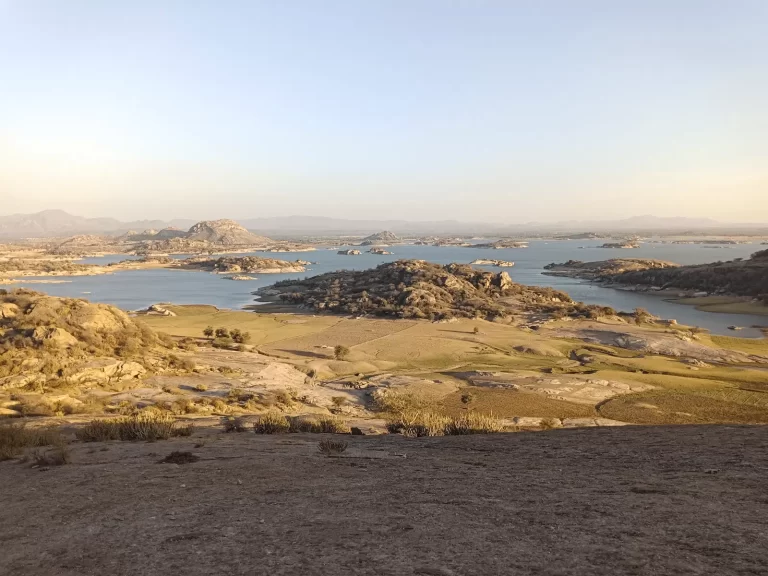
Jawai can work well for families, though it rewards realistic planning more than some other destinations. The early safari departure times, particularly in winter when dawn drives are coldest, ask a lot of young children’s sleep schedules, and the midday heat in warmer months limits outdoor activity during a chunk of the day. Families who plan around this rhythm — treating midday as rest time, dressing children properly for the temperature swing, and not overloading the itinerary with back-to-back activities — tend to have the smoothest experience. The region itself poses no particular danger to children beyond the ordinary precautions of a rural destination: supervise children near any water body, including the dam edge, and around any wildlife encounter, keeping a respectful distance at all times as instructed by your naturalist.
Couples
Couples looking for a quieter alternative to India’s larger, more crowded wildlife reserves generally find Jawai comfortable and well-suited to a slower, more private pace. The lower visitor density compared to major tiger reserves, the option of a private safari vehicle, and accommodation options ranging from intimate luxury camps to simple homestays give couples real flexibility in shaping the kind of trip they want, whether that’s a quiet, romantic retreat or a more active photography-focused visit.
Wildlife Safety: The Leopard Question
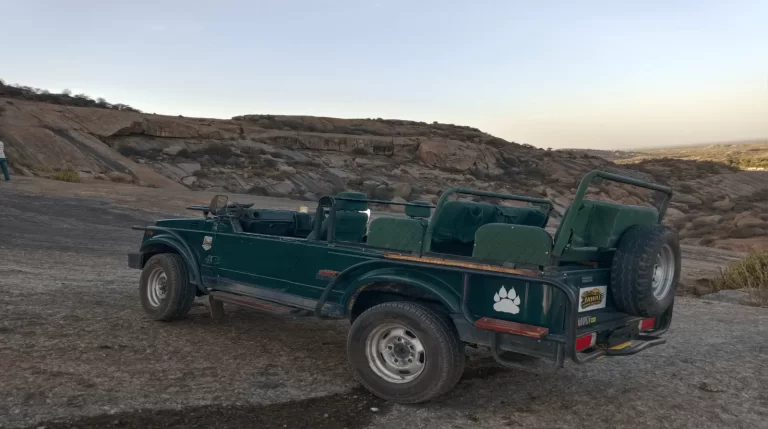
This is the question underneath most safety concerns about Jawai, and it deserves a specific, honest answer. Jawai’s leopards have coexisted with the local Rabari pastoralist community for generations, in a landscape without fences or gates, and without the pattern of frequent conflict that might exist elsewhere. This coexistence is a genuine ecological and cultural fact of this specific landscape, not a marketing claim. That said, these are wild leopards, not tame or habituated-to-touch animals, and the rules that keep both wildlife and visitors safe matter. Safaris are conducted under the 2026 Forest Department regulations by committee-registered, GPS-tracked vehicles, maintaining respectful distances, staying within fixed daylight hours, and never engaging in baiting or call playback that could provoke unpredictable animal behavior. Visitors who stay within their vehicle as instructed, follow their naturalist’s guidance, and treat the animals with the distance and respect wild predators deserve have an excellent safety record in this region.
We will not tell you a leopard sighting is guaranteed, and we won’t tell you that being near wild leopards carries zero risk in any circumstance — that would be dishonest in both directions. What we can tell you is that a properly conducted, rule-compliant safari with an experienced naturalist is a fundamentally safe way to experience this landscape, and that the coexistence you’ll witness between leopards, Rabari herders, and their livestock is one of the most striking things about visiting here.
Health and Medical Safety
The practical safety consideration that deserves the most planning attention is not crime or wildlife but medical access. Jawai is genuinely remote relative to serious medical infrastructure, and the nearest facilities capable of handling anything beyond routine care are a drive away. This is a normal feature of rural travel anywhere, not a special risk unique to Jawai, but it does mean travel insurance with medical evacuation coverage, a properly stocked personal medication supply, and clear communication with your accommodation about any health conditions are sensible precautions rather than excessive caution.
Weather-Related Safety Considerations
Rajasthan’s sharp seasonal swings add a layer of weather-related planning that counts as a safety consideration in its own right. Winter dawns can be cold enough to cause genuine discomfort or minor illness if you’re underdressed for an open-jeep safari, while summer heat requires consistent hydration and limiting exposure during peak midday hours. Monsoon season brings the possibility of localized heavy rain affecting road conditions and, occasionally, safari scheduling. None of these are dangers in the dramatic sense, but they are the kind of practical weather safety that’s easy to underestimate until you’re actually standing in a cold jeep at 6am or walking in midday summer heat without enough water.
Road Safety and Transfers
Most of the travel risk in a Jawai trip, statistically speaking, sits in road transfers rather than anything else — this is true of rural India generally, where roads can be narrower and less consistently maintained than highway corridors between major cities. Using established, reputable transfer services rather than the cheapest unknown option, avoiding unnecessary night driving on unfamiliar rural roads, and choosing daylight travel for transfers where your schedule allows all meaningfully reduce this risk.
Cultural Sensitivity and Respectful Interaction
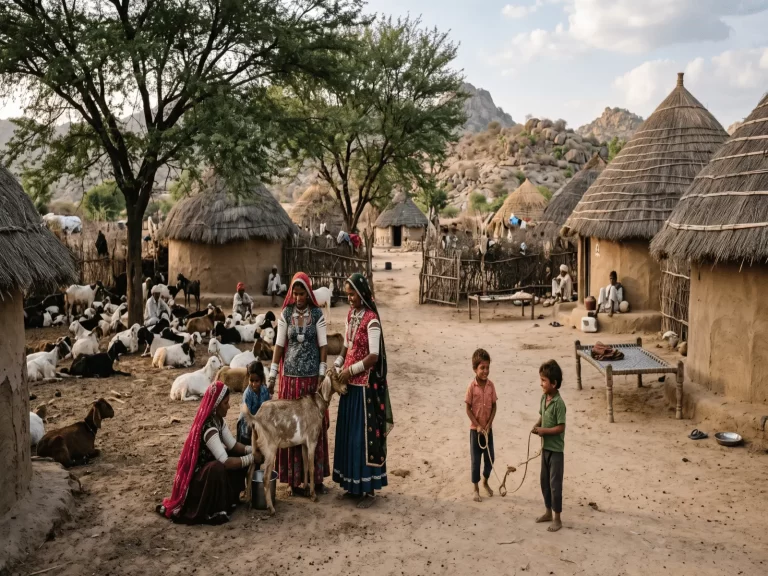
Part of feeling safe and comfortable in any destination is understanding how to interact respectfully with the people who live there. The Rabari community that shares this landscape with Jawai’s leopards are not a tourist attraction, and treating a village encounter or a herder’s daily routine as a photo opportunity without consent or context is both disrespectful and, frankly, the kind of behavior that creates friction where none needs to exist. Any village walk or cultural interaction arranged as part of your trip should be conducted with genuine respect — asking before photographing individuals, following your guide’s lead on appropriate behavior, and understanding that you are a guest moving through someone else’s home landscape, not a spectator at an exhibit. Travelers who approach the region this way consistently report warm, welcoming interactions.
What We’d Tell a Nervous First-Time Visitor
If you’re hesitant about Jawai specifically because it feels remote or unfamiliar, the most reassuring thing we can offer is not a blanket reassurance but a specific one: work with an operator who is committee-registered and GPS-tracked, stay at accommodation with a genuine track record rather than an unverified listing, follow your naturalist’s guidance during safaris, and plan around the region’s practical realities — cash, patchy connectivity, medical distance, temperature swings — rather than assuming they’ll sort themselves out. Travelers who prepare this way consistently report Jawai as one of the calmer, more genuinely welcoming wildlife destinations in India, not a risky or difficult one.
Common Specific Worries, Addressed Directly
A few specific questions come up repeatedly enough to address head-on. Will I be near a leopard without protection? No — you remain inside a vehicle at all times during a safari, at a distance managed by an experienced naturalist, and you do not exit the vehicle near wildlife. Is it safe to walk around a homestay or camp at night? Established properties are safe within their grounds, though as with any rural destination, using a light and staying on marked paths after dark is sensible, and checking with your hosts about any specific local guidance is worthwhile. Can solo women expect to be left alone if they want quiet time? Yes — Jawai’s tourism culture, particularly at established properties, does not carry the persistent unwanted attention that some solo travelers report in busier tourist circuits elsewhere.
Our Role in This
Because we work only with vetted, compliant operators and accommodation partners, and because we plan every trip around your specific circumstances — solo, family, or couple — safety is something we build into the itinerary from the start rather than treating as an afterthought. If you have specific safety concerns about your trip, tell us directly, and we’ll address them plainly rather than with generic reassurance.
If you’re ready to start planning a trip that fits your circumstances and comfort level, message us on WhatsApp for current pricing and a quote tailored to your dates and group size.