Luxury Camps vs Budget Stays: What the Price Gap Buys in Jawai
Luxury Camps vs Budget Stays: What the Gap Actually Buys You
Travelers researching Jawai often ask a version of the same question: is the luxury tier actually worth it, or does a simpler, more affordable stay deliver essentially the same experience for less? The honest answer is that both can deliver a genuinely excellent Jawai trip, but they deliver meaningfully different things, and understanding exactly what the gap buys you — in qualitative terms, not currency — will help you decide where your own priorities actually sit.
The Core Difference: Naturalist Expertise
This is the single biggest qualitative gap between tiers, and it’s worth explaining precisely rather than vaguely. Luxury camps typically employ a dedicated, full-time in-house naturalist whose entire working life is spent tracking specific leopard territories in granite terrain they know intimately. This person builds a continuously updated picture of which leopards are active where, how territories are shifting, and what a specific morning’s conditions suggest about where to position a vehicle. Budget stays, by contrast, typically rely on shared local drivers who work across multiple properties and guests. These drivers often have genuinely strong general regional knowledge built over years, but they don’t have the same singular, continuously refreshed focus on one specific stretch of territory. The practical result: a luxury camp’s naturalist can often make a more precise, currently-informed call about where to go on a given morning, which can meaningfully affect your sighting odds, especially across a short stay with limited safari attempts.
Dining Flexibility
Luxury properties generally offer dining that flexes around you — private meals, breakfast arranged to catch specific light or a view, and menus that adapt to dietary needs or preferences without much friction. Budget and mid-tier stays tend to run a more fixed schedule and simpler menu, which is not a downgrade in quality so much as a difference in personalization and flexibility. For most travelers, simple, good, home-style food is entirely satisfying; the luxury tier’s dining advantage is really about flexibility and occasion rather than a fundamental gap in food quality, especially at homestays, where home-cooked meals are often a specific highlight rather than a compromise.
Amenities and Physical Comfort
The physical gap between tiers is real and tangible: luxury camps offer more spacious, thoughtfully designed rooms or tents, sometimes with private plunge pools or similar features, high-quality linens and fittings, and carefully considered common areas built to make the most of the landscape. Budget stays offer clean, comfortable, but simpler rooms without these design flourishes. After a cold pre-dawn safari, the ability to return to a genuinely comfortable, well-heated space with a hot shower and a comfortable place to rest matters more to some travelers than others — it’s worth being honest with yourself about how much this specific comfort affects your overall trip satisfaction, since it varies considerably by individual.
Property Design and Landscape Integration
Luxury properties are frequently designed from the ground up around the landscape itself — oriented toward granite outcrops, built to catch golden-hour light in specific ways, with common areas and even individual rooms positioned to make the wilderness the primary visual feature rather than an incidental view. This design-forward approach is a genuine qualitative difference, and for travelers for whom atmosphere and setting are central to the experience, it adds real value beyond simple comfort. Budget stays are generally more functional in their design, prioritizing practicality over this kind of considered landscape integration, though many still offer genuinely pleasant settings, particularly homestays with strong personal character even without a design budget behind them.
Flexibility and Personalization of the Safari Itself
Beyond naturalist expertise, luxury stays generally offer more flexibility in how your safari schedule is structured — adjusting timing around specific conditions, extending a session if something promising is developing, or reshaping a day’s plan based on a report from the field. Budget stays typically run a more fixed, standard schedule, which is entirely sufficient for a good safari experience but offers less real-time adaptability.
Service Style and Staff Attention
Beyond the naturalist relationship, the overall ratio of staff attention to guests tends to be higher at luxury properties, meaning requests are handled more promptly, small preferences are remembered across the stay, and the overall service feels more anticipatory rather than reactive. Budget stays and homestays offer warm, genuine service, but often with fewer staff managing more guests or juggling multiple roles within a family-run operation, so service tends to be friendly and functional rather than polished and anticipatory. Neither approach is wrong; they simply reflect different operating models and different scales of investment in staffing.
What Does Not Change Across the Gap
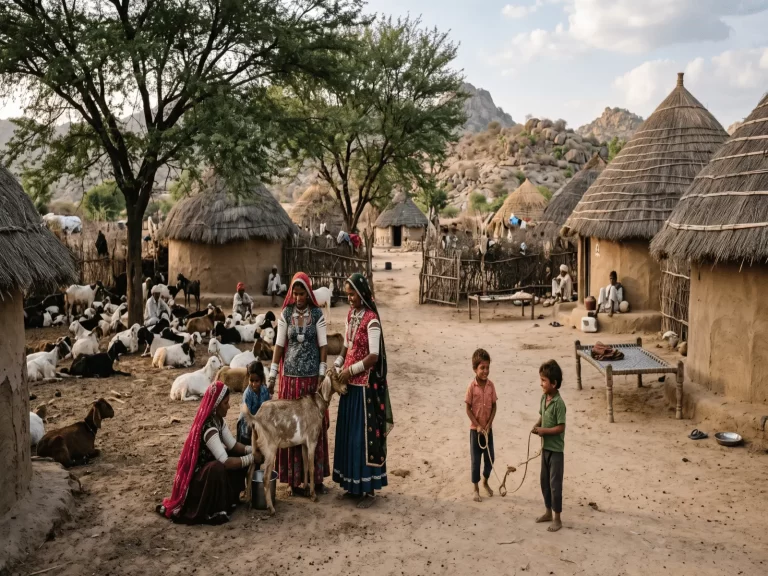
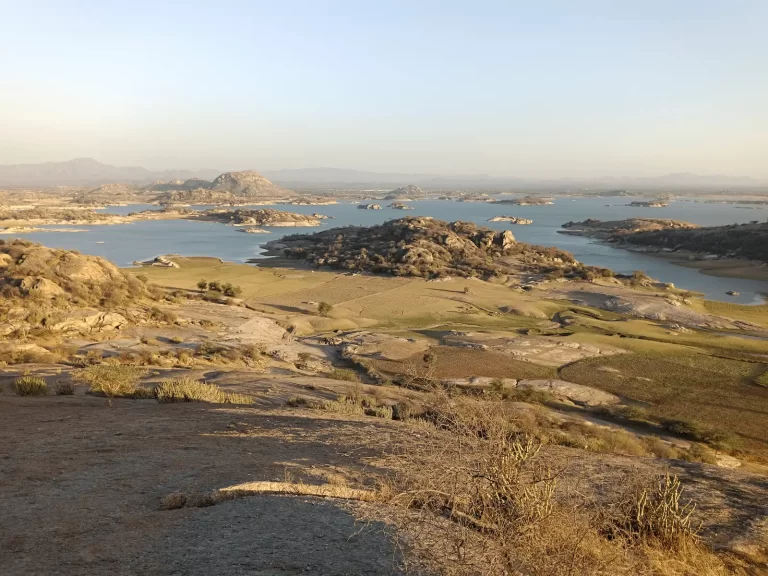
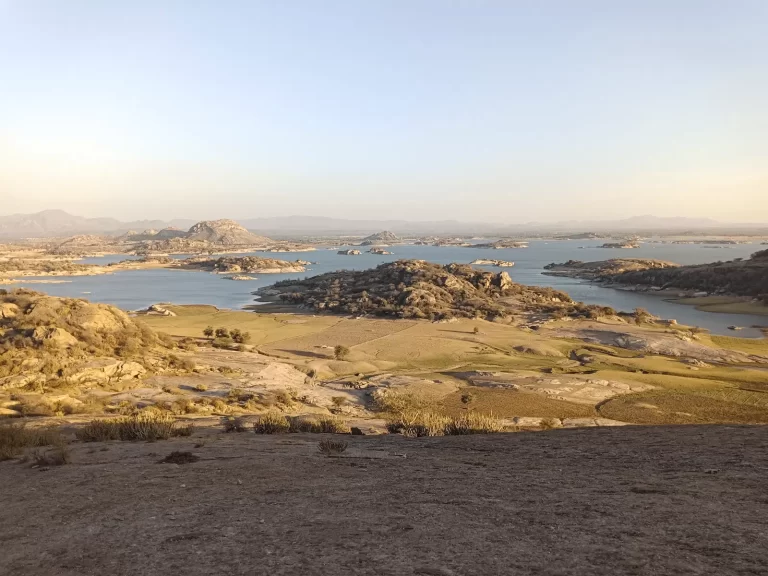
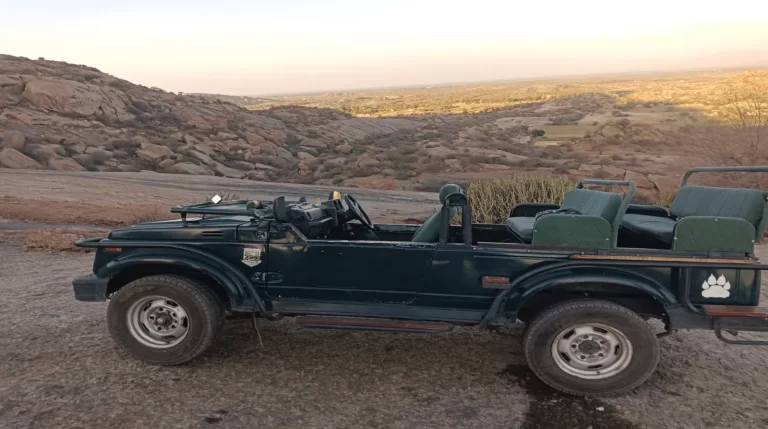
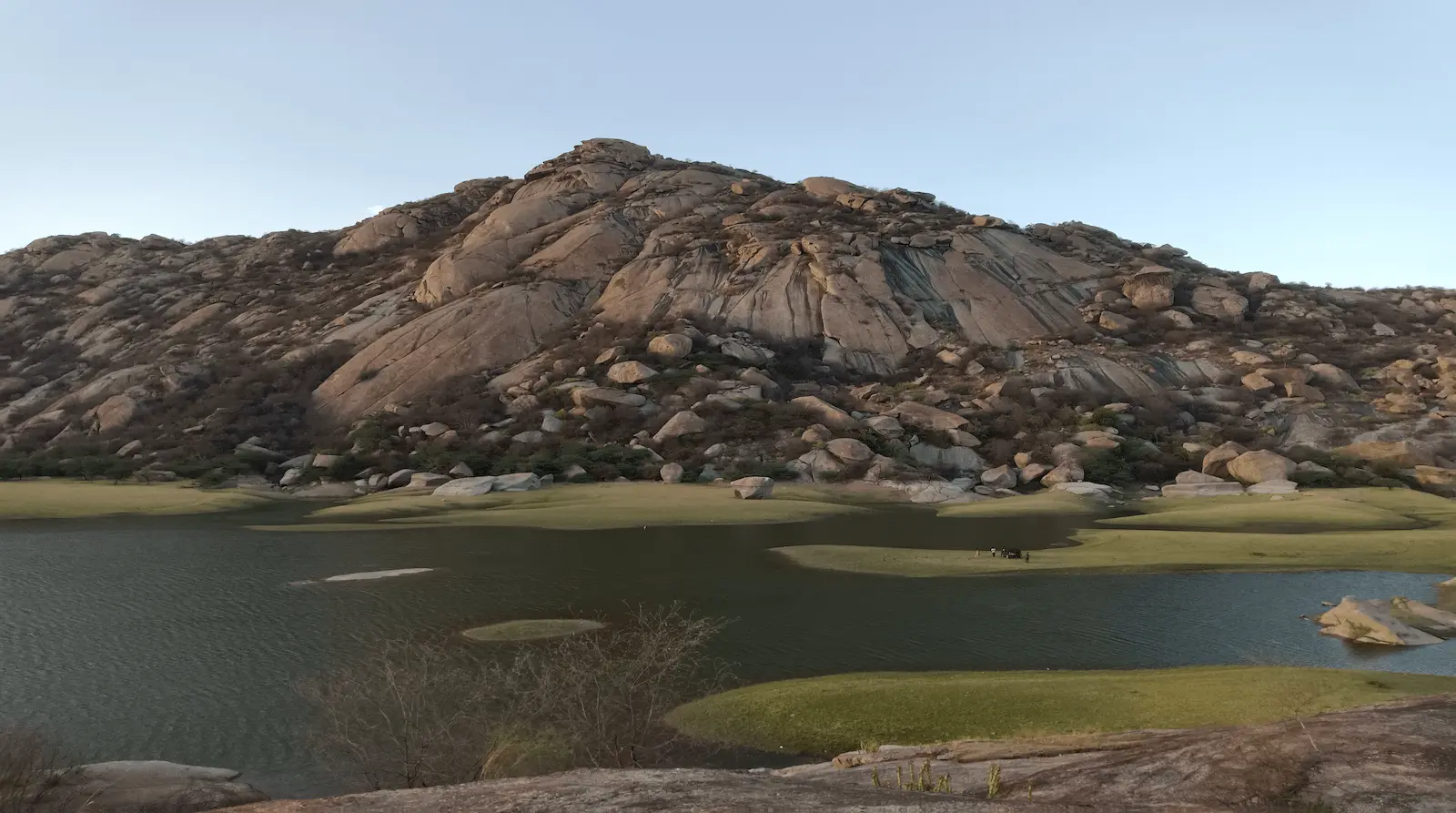
It’s worth being direct about what luxury spending does not buy, because some travelers assume otherwise. No property, regardless of tier, can honestly guarantee a leopard sighting — this depends on season, timing, weather, and genuine wildlife unpredictability that no amount of naturalist skill or property design can fully overcome. Every safari across every tier must run through a committee-registered, GPS-tracked vehicle under the 2026 regulations, so the fundamental legal and ethical framework of the safari itself is identical regardless of where you’re staying. The core wildlife experience — the granite hills, the open landscape, the coexistence between leopards and the local Rabari community — is the same landscape for every visitor, whatever their accommodation tier. Luxury buys you better odds through expertise, more comfort, and more flexibility; it does not buy you a fundamentally different Jawai.
The Value of Continuity and Repeat Relationships
One underappreciated benefit of the luxury tier is continuity across a multi-night stay. A dedicated naturalist who guides you across several consecutive safaris builds a working understanding of what you’re hoping to see or photograph, adjusts recommendations accordingly, and can meaningfully improve your experience simply through accumulated familiarity over a few days. Budget stays with rotating shared drivers don’t always offer this same continuity, since you may not have the same guide across every session. For a longer stay where this kind of building relationship matters, the luxury tier’s consistency is a genuine, if easy to overlook, part of what the gap buys.
Who Actually Benefits Most From the Luxury Tier
Photography-focused travelers benefit disproportionately from the luxury tier’s naturalist expertise, since even a small improvement in territory knowledge and timing can meaningfully affect the quality of shots achieved across a limited number of safari sessions. Travelers on a short trip, with only one or two safari attempts available, also benefit more from expert positioning than travelers with a longer stay who can afford a few less-optimal drives while still getting other opportunities. Couples or travelers celebrating a specific occasion, for whom the atmosphere and physical comfort of the stay itself is part of the point, get real value from the luxury tier’s design and dining flexibility, independent of any safari benefit at all.
Who Genuinely Doesn’t Need It
Travelers on a longer stay with multiple safari sessions planned, budget-conscious groups who are comfortable trading some naturalist precision for meaningful savings, and anyone who specifically values the more personal, unpolished texture of a homestay over a curated luxury experience often find that the mid-tier or homestay options deliver everything they actually want from the trip. The core experience — leopards, granite hills, and the extraordinary coexistence story of this landscape — remains fully available outside the luxury tier.
How to Decide for Your Own Trip
Rather than assuming luxury automatically means “better,” think honestly about which specific benefits matter to you: naturalist-driven sighting odds, dining flexibility, physical comfort after cold mornings, or design-forward atmosphere. If several of these genuinely matter to you and the occasion justifies it, the luxury tier delivers real, tangible value rather than just prestige. If your priorities lean toward value, authenticity, or simply a longer stay that gives you more total safari attempts regardless of any single drive’s odds, the mid-tier or homestay options are a fully legitimate and often smarter choice.
A Practical Middle Path
It’s also worth knowing that the choice isn’t strictly binary. Some travelers choose a mid-tier resort for the bulk of their stay and add a single full-day or photography-focused safari session with a more specialized, experienced guide as a one-off addition, capturing some of the naturalist-expertise benefit without committing to the full luxury tier for the entire trip. Others choose a homestay for the cultural warmth and simplicity, while still booking a private rather than shared vehicle for their safaris to gain more control over timing and positioning without the full luxury accommodation cost. These blended approaches let you prioritize the specific elements of the luxury experience that matter most to you without assuming it has to be all-or-nothing.
Getting an Honest Recommendation
We work across all tiers and don’t have a reason to steer you toward the more expensive option by default — our interest is in matching you to the stay that actually fits your trip. Tell us what matters most to you, and we’ll recommend honestly.
Message us on WhatsApp for current pricing and a quote tailored to your dates and group size.