Where to Stay in Jawai: Camp, Resort or Homestay — What Each Actually Gives You
Camp, Resort, or Homestay: What Each Actually Gives You in Jawai
Jawai’s accommodation options fall into three broad tiers, and the differences between them go well beyond price. Each tier delivers a genuinely different kind of trip — different pacing, different depth of naturalist guidance, different textures of interaction with the landscape and the people who live in it. Understanding what each tier actually gives you, in concrete terms, will help you choose correctly rather than defaulting to whichever option simply fits a budget number.
Luxury Tented Camps and Boutique Resorts
What You’re Actually Paying For
The defining feature of Jawai’s luxury tier is not thread count or décor, though both tend to be excellent. It is the presence of a dedicated in-house naturalist — someone whose full-time role is understanding local leopard territories, tracking recent activity, and using that knowledge to shape which safari route gives your group the best realistic chance on a given morning. This is a genuinely different level of expertise from a shared local driver working across multiple properties, and it shows in how safaris are planned, timed, and adjusted in real time based on current conditions.
Dining and Design
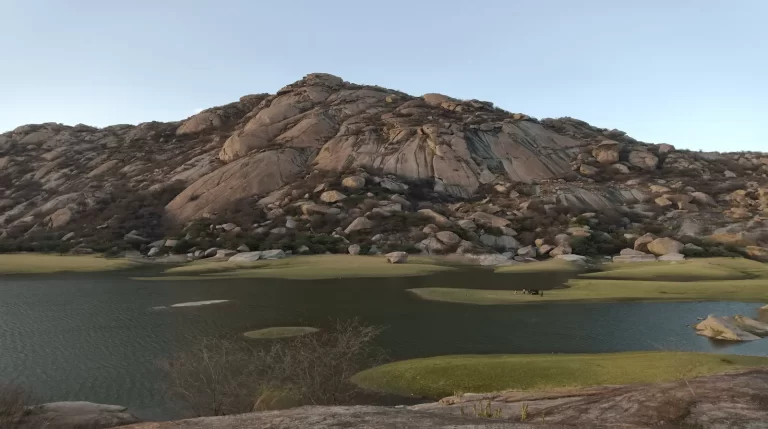
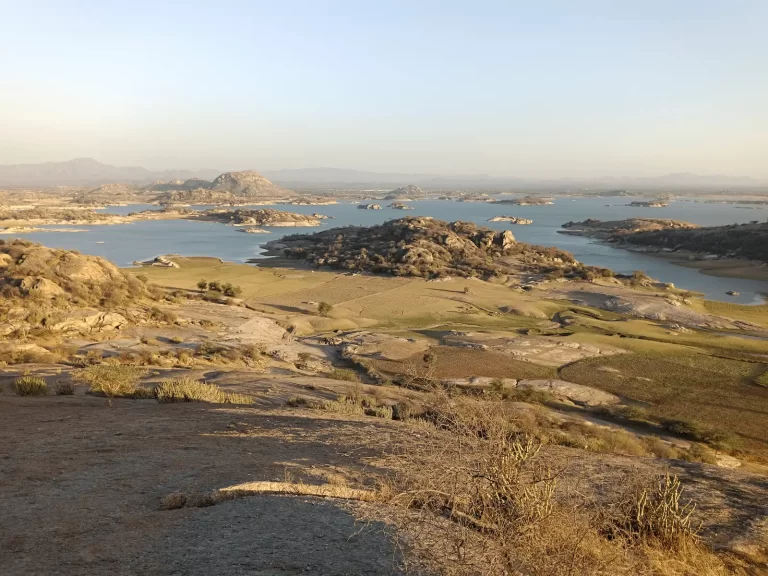
Dining at this tier tends to be flexible and personalized rather than a fixed buffet schedule — private meals, breakfast arranged with a view of the hills, and menus that can adapt to specific preferences or dietary needs. The properties themselves are typically designed around the landscape as a primary feature: tents or rooms oriented toward granite outcrops or open sky, common areas built to make the most of golden-hour light, and an overall design philosophy that treats the wilderness as the amenity rather than adding amenities on top of it. Some properties include private plunge pools or similar features, though these tend to be a secondary draw rather than the primary reason guests choose this tier.
Who This Tier Suits
Couples seeking a quiet, design-led retreat, photography-focused travelers who benefit enormously from a naturalist’s current knowledge of leopard activity, and anyone for whom this trip is a significant occasion worth investing in fully tend to get the most out of the luxury tier. It also suits travelers who want maximum flexibility in timing and itinerary, since these properties are generally set up to adapt around a guest’s specific preferences rather than running a fixed group schedule.
Mid-Tier Resorts and Well-Run Guesthouses
What You’re Actually Getting
The mid-tier is where a large share of Jawai’s total visitors actually stay, and it offers a genuinely strong balance of comfort, reliability, and value. Rooms are comfortable and well-appointed without the design flourishes of a boutique camp. Safari arrangements are solid and well-organized, often through drivers and guides with real local knowledge, even without a dedicated in-house naturalist on the luxury model. Meals tend to be straightforward, good, and consistent rather than elaborate or highly personalized.
What You Give Up Compared to the Luxury Tier
The primary trade-off is the depth of naturalist expertise and the degree of personalization in both dining and safari planning. A mid-tier resort will get you a well-organized, comfortable safari experience, but the fine-grained knowledge of exactly which granite outcrop had activity yesterday morning, or the flexibility to adjust your entire day’s plan around a specific report from the field, is generally stronger at the luxury tier. For most travelers, this trade-off is entirely reasonable — the core experience of the landscape and the leopards doesn’t fundamentally change based on which tier you’re staying at.
Who This Tier Suits
Families balancing comfort against budget, first-time visitors who want a reliable, well-organized trip without paying for the top tier, and travelers who prioritize value without sacrificing genuine comfort all tend to find the mid-tier the strongest fit. It consistently represents the best value proposition in the region for guests who want a proper, comfortable safari trip without the premium price tag.
Homestays: Family-Run and Genuinely Warm
What Makes This Tier Different
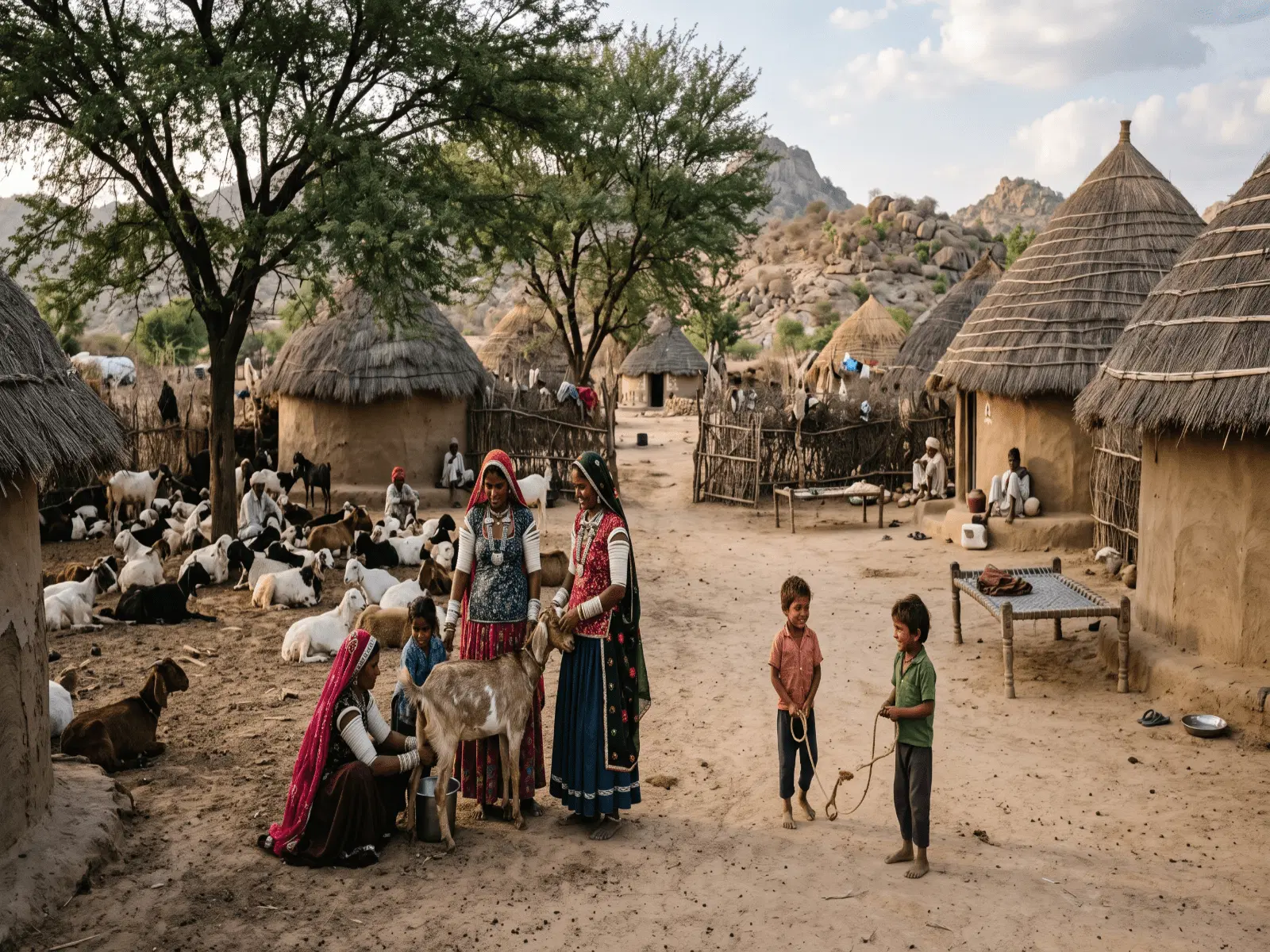
Homestays trade polish for something that’s genuinely difficult to manufacture at any price point: authentic, warm contact with a local family. Rooms are basic — clean and comfortable, but without the design ambitions of a boutique camp — and the real value sits elsewhere: home-cooked meals that are often a genuine highlight of the stay, direct conversation and interaction with the family running the property, and a more affordable way to spend time in the region. Homestays are more concentrated in and around Jawai town, where everyday village life continues alongside the tourism economy in a way that feels less curated than the more tourism-dedicated stretches of Bera.
Why Guests Choose This Tier Deliberately, Not Just for Budget
It’s worth being clear that many homestay guests are not simply budget travelers making do with the cheapest option. A meaningful number actively prefer this style of stay over a more polished resort experience, because the direct, unpolished, personal texture of staying with a local family gives them something a curated property simply cannot replicate. If genuine cultural connection and simplicity matter more to you than design or a dedicated naturalist, a homestay may be the right choice even if your budget could stretch further.
What to Expect Practically
Safari arrangements from a homestay typically run through local, shared drivers and guides rather than a dedicated in-house naturalist, so the level of real-time, expert-level route planning will generally be less sophisticated than at the luxury tier. English proficiency may be more limited than at internationally-oriented resorts, which is part of why arranging a homestay through an intermediary who can bridge that communication gap adds genuine value rather than being a mere convenience fee.
A Closer Look at the Naturalist Difference
Because the naturalist relationship is the single biggest differentiator between tiers, it’s worth explaining exactly what it changes in practice. A dedicated naturalist at a luxury camp typically spends their working life in one specific stretch of territory, building a continuous, current picture of which leopards are holding which ground, where recent activity has been seen, and how that’s shifting week to week. This person can make a genuinely informed call about which route to take at 6am based on information from the previous evening, rather than following a fixed, generic route regardless of current conditions. A shared driver working across a mid-tier resort or homestay may well have strong general knowledge of the region, built over years of driving these tracks, but is less likely to have that same granular, continuously updated picture of a single territory, simply because their work spans a wider and more varied set of routes and guests.
The Constant Across All Three Tiers
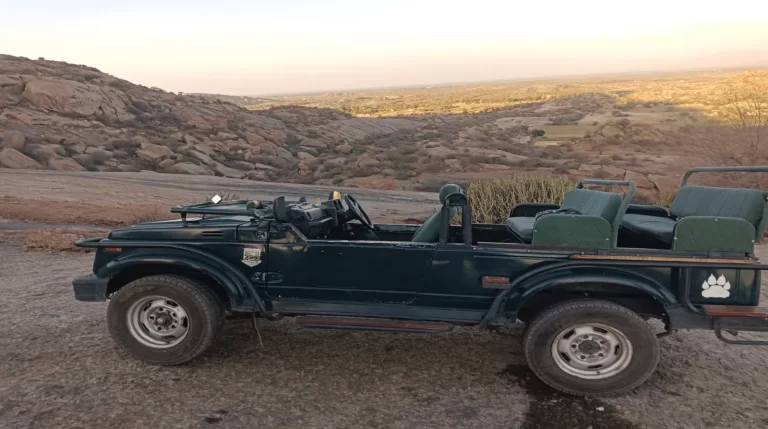
Regardless of tier, a few things remain the same. Every safari, at every accommodation level, must be conducted through a committee-registered, GPS-tracked vehicle under the 2026 Forest Department rules, and no property or tier can honestly guarantee a leopard sighting — sightings depend on season, timing, and genuine wildlife unpredictability, not on how much you’re spending on your room. Mobile connectivity is patchy across all three tiers, cash remains the practical currency for incidentals everywhere, and the nearest serious medical facilities are a drive away regardless of where you’re staying.
Mixing Tiers Across a Longer Stay
It’s worth knowing that these three tiers are not mutually exclusive across a single trip. Some travelers on a longer Jawai stay choose to split their nights — perhaps a luxury camp for the safari-focused heart of the trip, transitioning to a simpler homestay for a final, more relaxed day before departure, or vice versa. This works particularly well if your itinerary already has natural breaks, such as a shift between Bera and Jawai town, and it lets you experience more than one texture of the region without fully compromising on any single priority for the whole trip.
How to Actually Choose
Rather than starting from a budget number, start from what you’re actually optimizing for. If naturalist expertise and maximum sighting probability matter most, and you’re willing to pay for it, the luxury tier delivers real, tangible value. If comfortable reliability at a fair price matters most, the mid-tier is very likely your best fit. If genuine cultural connection and simplicity matter more than polish, a homestay will give you something the other two tiers cannot replicate. None of these is the objectively “better” choice — they simply serve different priorities, and the honest answer to “which should I choose” depends entirely on what you’re hoping to get out of your specific trip.
How We Help You Choose
Because we don’t operate any of these properties ourselves, and we work across all three tiers with a small set of vetted partners, we can match you honestly to what actually fits your priorities rather than steering you toward whichever property happens to pay the best referral. Tell us your budget range, your priorities — comfort, naturalist depth, cultural connection, photography focus — and your dates, and we’ll recommend accordingly.
Message us on WhatsApp for current pricing and a quote tailored to your dates and group size.