Safari Etiquette in Jawai: The Rules That Now Carry Real Penalties
Ask anyone who has done multiple safaris in Jawai what actually made the difference between an unremarkable morning and a genuinely memorable one, and the answer is rarely the vehicle, the zone, or even the season. It’s almost always the naturalist. The person reading the terrain, interpreting alarm calls, and deciding where to point the jeep next carries more weight over your actual experience than any other single variable you can influence when booking. This article is about what a good Jawai naturalist actually does, the specific skills involved, and how you can tell the difference between genuine expertise and a driver who’s simply memorised a fixed loop.
More Than a Driver
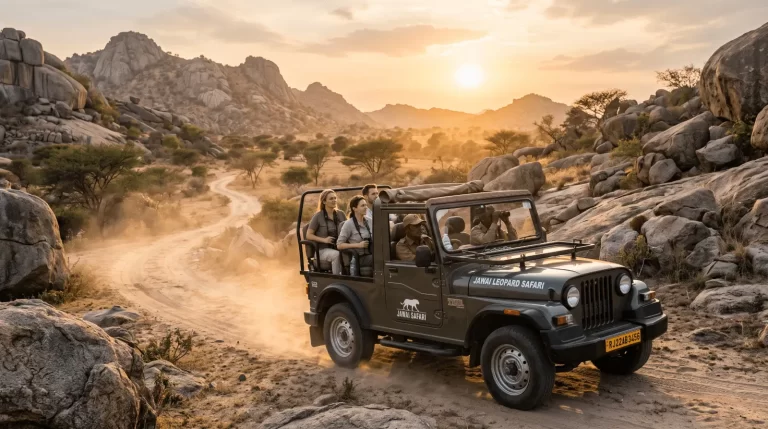
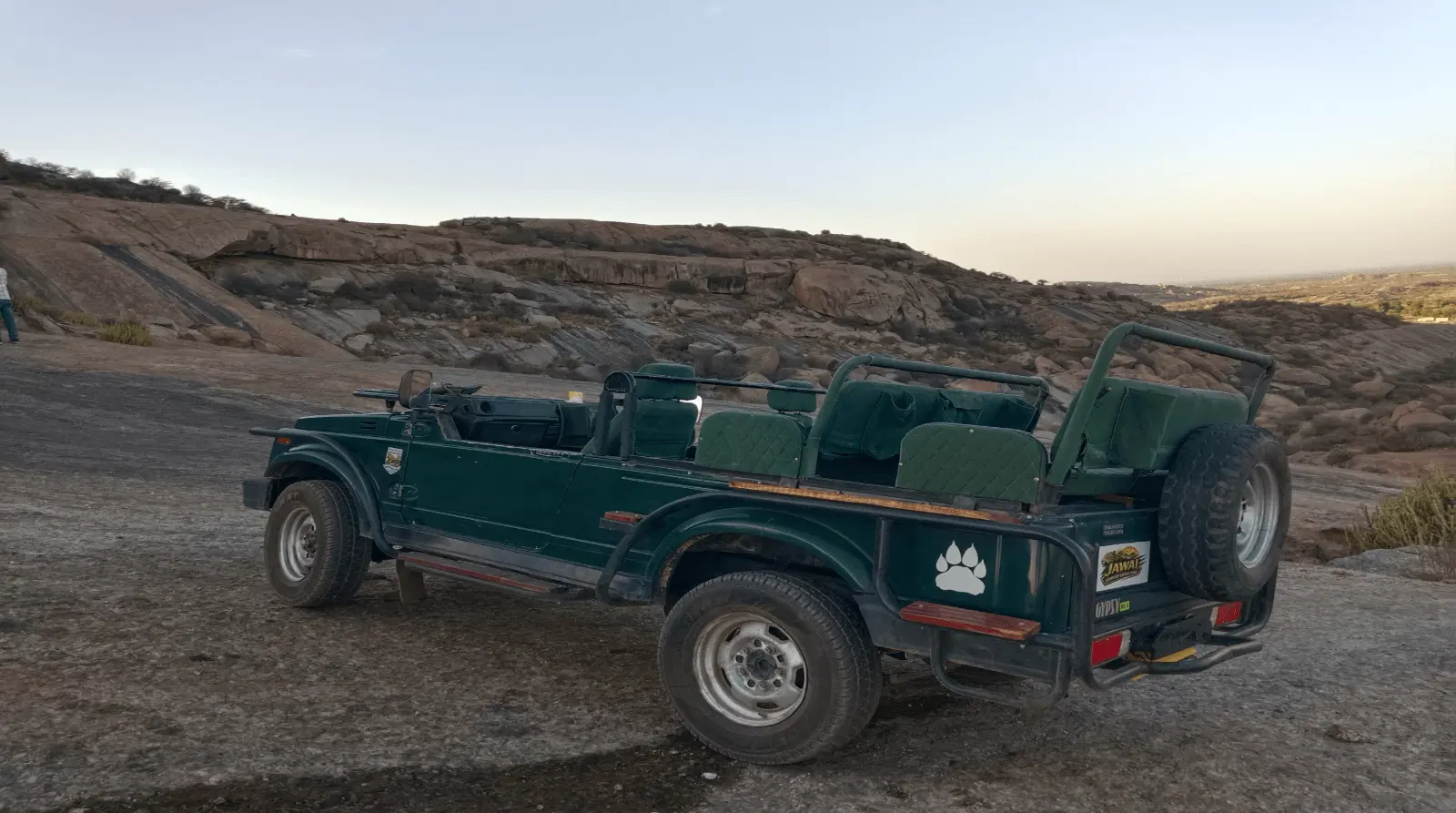
It’s worth separating two roles that are sometimes combined in one person and sometimes split between two: the driver, who operates the vehicle safely across genuinely challenging terrain, and the naturalist, who interprets the landscape and wildlife signs to actually find and understand what you’re looking at. Some Jawai safaris use a single person for both roles, an experienced driver-naturalist who does both jobs well. Others pair a driver with a dedicated naturalist who focuses entirely on spotting, interpretation, and guest engagement while the driver manages the vehicle. Either structure can work well, what matters is whether genuine naturalist skill is present at all, since a skilled driver without wildlife-reading expertise will simply drive a fixed route regardless of what the morning’s actual conditions suggest.
Reading Terrain That Looks Undifferentiated to a Visitor
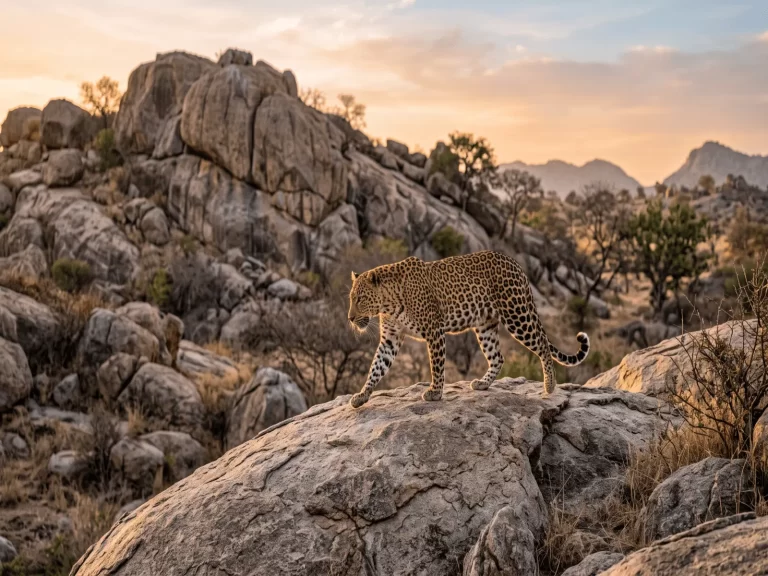
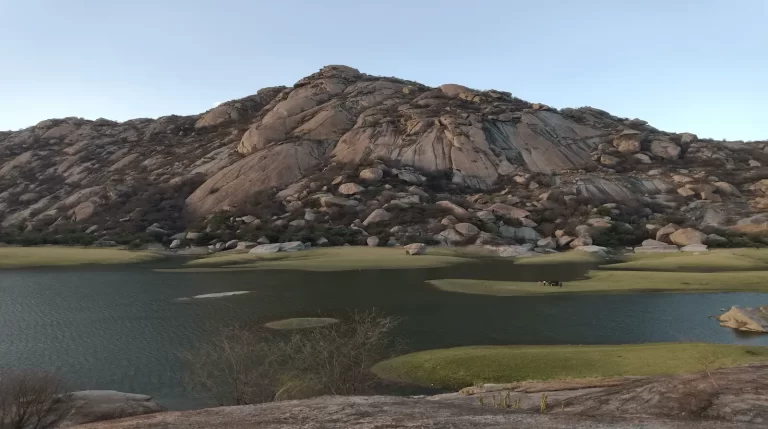
To a first-time visitor, Jawai’s granite hill country can look like a fairly uniform landscape, rock, scrub, the occasional tree, repeating across the horizon. An experienced naturalist sees something considerably more differentiated: specific outcrops with known den histories, ledges that catch morning sun in a way that makes them attractive basking spots, gullies that channel water and therefore prey movement after rain, and boulder formations that offer the kind of shaded overhang a leopard favours for a midday rest. This knowledge builds up over years of repeated exposure to the same hills across different seasons, and it’s the foundation of what separates a naturalist who can find wildlife from one who’s simply covering ground and hoping.
Interpreting Alarm Calls and Indirect Signs
Leopards in Jawai are rarely announced by anything as obvious as their own vocalisations during a typical safari. Instead, a skilled naturalist listens for the alarm calls of other species, langurs, in particular, have a distinctive call pattern when they spot a predator, and peacocks and certain deer species produce their own recognisable alarm signals. Reading these calls correctly, distinguishing a genuine predator alert from a call triggered by something else entirely, is a real, learned skill, and it’s often how a sighting actually begins: not a naturalist spotting the leopard directly, but hearing the forest’s own warning system and following it to the source. Fresh pugmarks in soft ground, scratch marks on tree bark, and the behaviour of grazing livestock, whether they’re calm or visibly alert, all feed into the same interpretive process.
Positioning a Vehicle Without Disturbing the Animal
Finding a leopard is only half the skill. The other half is approaching and positioning the vehicle in a way that lets guests observe without changing the animal’s behaviour. This means understanding sightlines and wind direction, approaching at a measured pace rather than a rush, choosing a stopping distance that respects both the legal and ethical boundaries of the encounter, and reading the leopard’s own body language to judge whether it’s comfortable with the vehicle’s presence or showing early signs of stress that call for backing off. A naturalist who gets this right can often hold a sighting for a genuinely extended period, twenty minutes or more of calm observation, rather than a fleeting glimpse before the animal moves off in response to a poorly judged approach.
Radio Discipline and Zone Judgment
As covered in more detail in our piece on safari gear and coordination, naturalists operate within a shared radio or phone network across registered vehicles in a zone. Good naturalist judgment extends to how this network gets used: deciding whether to pursue a reported sighting or hold back because too many vehicles are already present, communicating clearly and cooperatively with other vehicles rather than racing for position, and knowing when local knowledge suggests a different area entirely might be more productive than following the crowd toward an already-reported sighting.
Knowledge of Individual Leopards and Territories
Experienced naturalists who’ve worked a specific zone for years often develop a genuine, granular knowledge of individual leopards, their approximate territories, den site histories, and even distinguishing physical markings. This isn’t the same as claiming to guarantee a sighting of a specific individual, wild animals move and territories shift, but it does mean a skilled naturalist can make an informed judgment about where a particular leopard is likely to be resting on a given day based on recent patterns, considerably improving the odds of a productive drive compared to someone working from generic knowledge of the zone alone.
Cultural Fluency With the Rabari Community
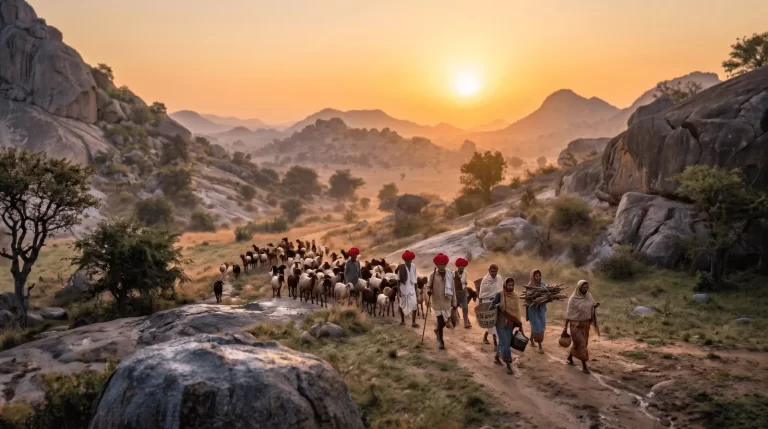
Because Jawai’s safari routes cross land actively used by Rabari shepherds for grazing, a good naturalist also carries real, working relationships with the community whose land the drive passes through. This matters practically, a naturalist who knows local families personally often gets informal, real-time information about recent leopard activity from shepherds who spotted something that morning, and it matters ethically, since a naturalist who treats the Rabari as a genuine part of the landscape’s story rather than a photo opportunity models the kind of respect that keeps this coexistence functioning well for tourism and community alike.
How to Tell a Genuinely Skilled Naturalist From an Average One
- They explain what they’re doing and why, pointing out signs, calls, or terrain features rather than simply driving in silence toward a fixed destination
- They adjust the route in response to real-time information rather than following an identical loop regardless of conditions
- They can speak specifically about recent activity in the zone, not just generic facts about leopards
- They approach any sighting calmly and patiently, prioritising a comfortable, sustained view over a rushed close approach
- They’re honest about the odds on a given morning rather than offering false reassurance or overpromising
- They demonstrate genuine, respectful familiarity with the Rabari community and the land itself, not just the wildlife
Why This Matters More Than Almost Any Other Booking Decision
Given a choice between paying more for a private jeep with a mediocre guide, or a shared jeep with an outstanding naturalist, the naturalist’s expertise is very often the better investment, since it’s the variable that most directly shapes whether your morning produces a genuinely memorable encounter or simply an uneventful drive through pretty scenery. This is a case where reputation, direct experience, and specific, verifiable knowledge of the current season’s activity matter more than the price point or vehicle category you’re booking into.
How We Vet for This
When we recommend an operator, naturalist quality is one of the factors we actually weigh, not just registration compliance and vehicle condition. We look for operators whose guides demonstrate the kind of terrain-reading, radio discipline, and community fluency described in this article, because that’s what actually determines whether your safari becomes the kind of morning you remember years later. Message us on WhatsApp for current pricing and a quote tailored to your dates and group size, and ask us directly about the naturalist you’ll be paired with, we’re glad to tell you what we know.
How Naturalists Actually Learn This Trade
There’s no formal degree program that produces a Jawai naturalist. The expertise described throughout this article is built almost entirely through apprenticeship and repetition, often starting as a driver working alongside an established naturalist for several seasons before taking on independent guiding responsibility. Many of the strongest naturalists working in Jawai today grew up in or near the villages the safaris pass through, which means their knowledge of the terrain predates their work in tourism entirely, they knew which hills held water after monsoon and which families grazed where long before a jeep with paying guests ever became part of that knowledge. This lived, local grounding is part of why naturalist quality varies so much across the market, and why it’s genuinely worth asking about rather than assuming any two guides are functionally interchangeable.
What This Means for Photography-Focused Guests
If photography is a priority for your trip, naturalist skill becomes even more consequential than usual. A naturalist who understands light, who knows that a particular rock face catches strong side-lighting in the last twenty minutes before sunset, or that a certain approach angle avoids harsh backlighting on an otherwise good sighting, can make the difference between a forgettable photo and a genuinely striking one. This goes beyond basic wildlife spotting into a kind of applied understanding of how light interacts with the specific geography of Jawai’s granite hills across the day, knowledge that, again, tends to correlate with years of accumulated experience in the same zones rather than general guiding competence alone.