Monsoon Light in Jawai: The Shooting Season Serious Photographers Keep Quiet
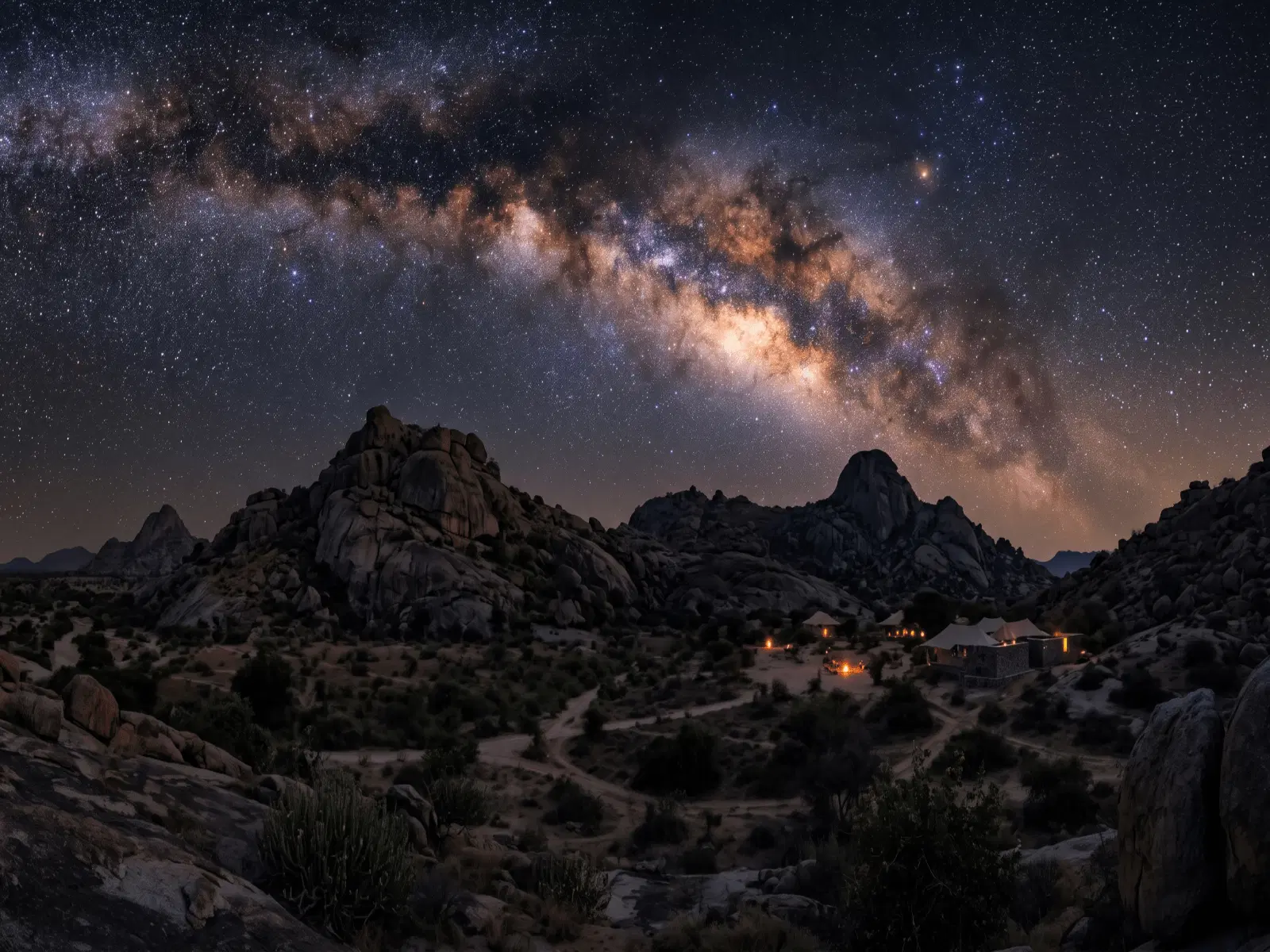
A Landscape Under New Rules
Jawai’s safari system changed meaningfully in 2026, following a Rajasthan High Court order and a subsequent Forest Department standard operating procedure that restructured how safaris here are permitted to run. For photographers, this is not a background legal detail; it directly determines what kind of photography is and is not possible in Jawai now, and any serious planning for a trip here needs to start from an accurate understanding of the current rules rather than assumptions carried over from other Indian wildlife destinations or from how Jawai safaris may have worked in past years.
What the Rules Actually Say
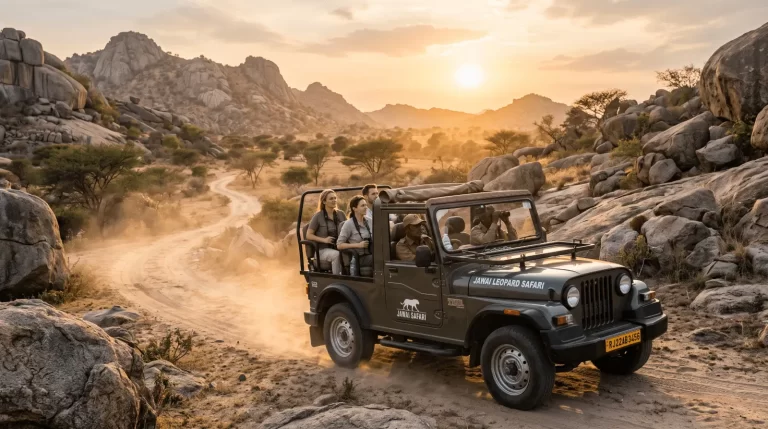
Only vehicles registered with the region’s safari coordination committee are permitted to run commercial safaris, and every registered vehicle must carry a functioning GPS tracker. Safari hours are fixed at roughly 6am to 7pm. Night safaris are banned outright. Spotlighting, meaning the use of artificial light to illuminate wildlife after dark, is prohibited. Drone use anywhere in the safari zones is banned as well. These are not loosely enforced suggestions; they are the legal framework every legitimate operator in the region now works within, and violations carry real consequences for operators, including suspension or permanent blacklisting from the registered vehicle system.
What This Means for Photography Specifically
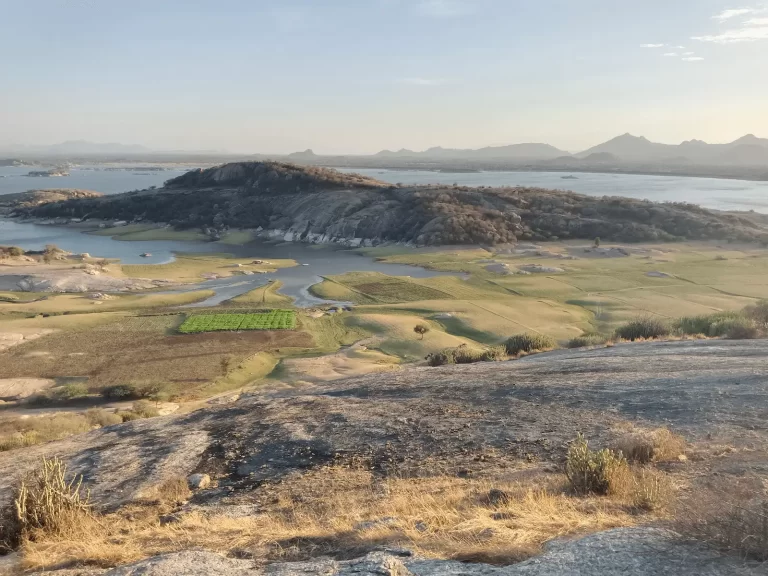
The most direct impact on photographers is the elimination of two categories of image that some visitors, particularly those arriving with expectations shaped by other destinations, might otherwise expect to attempt. There is no legitimate night photography of Jawai’s leopards under current rules; the low-light, spotlight-illuminated nocturnal predator image that some wildlife photography destinations elsewhere in the world permit simply is not available here, and any operator suggesting otherwise is operating outside the law and putting a client’s trip at real risk. Drone photography and videography, including the sweeping aerial shots of the granite hills or the dam that a drone could otherwise produce, are also entirely off the table across the safari zones. A photographer arriving with a drone in their kit specifically for use in Jawai has brought equipment with no legal use case here.
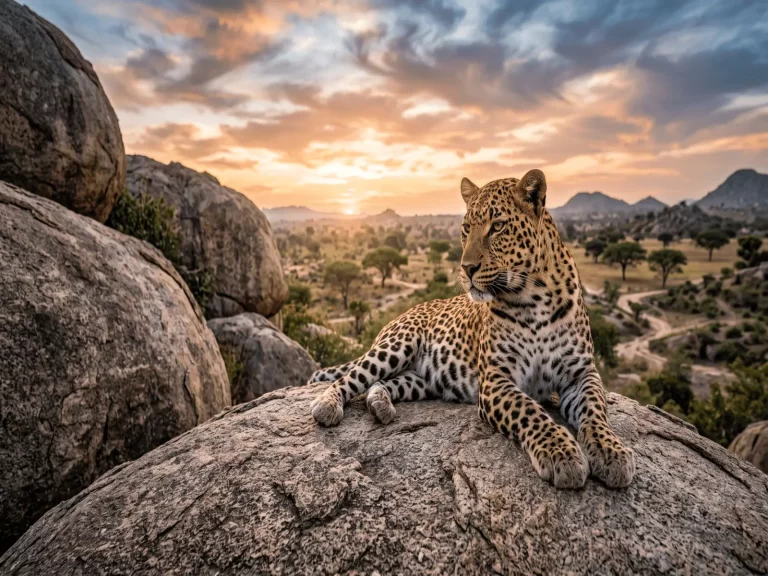
It is worth stating plainly that neither restriction is a significant loss relative to what actually made Jawai distinctive in the first place. The destination’s signature images, a leopard resting or moving across open granite at golden hour, were always daylight, ground-level photographs. The rules remove options that were marginal to Jawai’s core appeal and were, in the case of night shooting and spotlighting, genuinely disruptive to the animals being photographed. Working within this framework does not mean settling for a lesser version of Jawai photography; it means doing the version of Jawai photography that was always the point.
Why These Rules Exist
The regulatory changes followed genuine concern about unregulated safari growth in the region, including unregistered vehicles operating without oversight, disturbance to wildlife from excessive or poorly managed vehicle traffic, and pressure on the delicate balance between tourism, agriculture and the resident leopard population that has defined this landscape for generations. Night safaris and spotlighting in particular raise real welfare concerns for nocturnal and crepuscular wildlife, disrupting natural hunting and movement patterns when animals are illuminated and approached after dark. Drone use similarly carries a documented risk of stressing wildlife, and leopards specifically have been observed reacting to drone noise and shadow in ways that suggest genuine disturbance rather than neutral tolerance. Understanding the reasoning behind these rules, rather than viewing them purely as a bureaucratic inconvenience, makes it easier to work with them rather than looking for ways around them.
How to Get Strong Images Within the Compliant Framework
None of this changes the fundamental approach that produces Jawai’s best photography, which was always built around daylight, patience and positioning rather than technological shortcuts. Plan around the two golden-hour windows the legal 6am to 7pm schedule actually provides, since this is where the destination’s strongest light and the most naturally comfortable leopard behavior already coincide. Work with a registered, GPS-tracked vehicle and a guide who understands photography priorities, since positioning and patience within the legal daylight window matter far more to the final image than any workaround ever could. Treat the middle of the day, when light is harshest and animals are typically least active, as a period for rest and repositioning rather than a gap to fill with drone footage or other technically prohibited alternatives. And build a trip long enough, whether through multiple standard safaris or a full-day dedicated photography safari, to gather sufficient golden-hour opportunities across a visit rather than relying on a single narrow window to deliver everything.
Etiquette Beyond the Legal Minimum
Compliance with the registered-vehicle and hours rules is the legal floor, not the ceiling, for responsible photography in Jawai, and a genuinely respectful visitor holds themselves to a higher standard than the bare minimum the law requires. Maintain a respectful distance from a resting or moving leopard even when a vehicle could technically approach closer; crowding an animal for a marginally better angle disturbs natural behavior and can cause a leopard to move off a productive position entirely, spoiling the opportunity for every vehicle at the sighting, not just the one that pushed too close. Keep noise to a minimum during a sighting, since raised voices or excessive movement within the vehicle can alter an animal’s behavior even without a driver approaching physically closer.
Extend the same care to photographing the Rabari community who share this landscape. A shepherd moving livestock across open ground is not a photographic prop, and a respectful approach means acknowledgment and, where appropriate, consent, mediated through a guide who can facilitate that interaction appropriately, rather than shooting from a vehicle window without any engagement at all. This courtesy costs nothing and meaningfully changes both the ethics and often the quality of the resulting image, since a photograph taken with awareness and consent frequently reads differently, more genuine, less furtive, than one taken opportunistically from a distance.
Choosing an Operator Who Actually Complies
Because registration and GPS tracking are now the legal baseline for any vehicle operating in the Jawai safari zones, verifying that an operator or curation service is actually working with registered vehicles is a reasonable and important question to ask before booking, not an intrusive one. An operator unwilling or unable to confirm this should be treated with genuine caution, since an unregistered vehicle risks the trip being turned away at the gate, or worse, contributing to the pressures that led to these restrictions being imposed in the first place. A properly compliant operator will generally be transparent about registration status without being asked twice, since compliance has become a meaningful trust signal in a market that has dealt with legitimate concerns about unregistered operators in the past.
What Documentation and Verification Look Like in Practice
A visiting photographer does not need to become an expert in Rajasthan tourism regulation to travel responsibly here, but a few simple checks go a long way. Asking directly whether the vehicle and driver are registered with the current safari coordination committee, confirming that a GPS tracker is fitted and active, and noting that a legitimate booking will always operate within the 6am to 7pm window rather than offering an off-book night drive as a special favor, are all reasonable and increasingly normal questions in this market. A curation service that books only through vetted, registered operators, and that says so plainly rather than leaving the question to be raised by the traveler, is generally a stronger sign of a trustworthy booking than the lowest quoted rate.
The Honest Version of Jawai Photography Going Forward
The 2026 rules did not diminish what makes Jawai exceptional for photography; they formalized and protected the conditions that already made it exceptional. Daylight, open granite, patient positioning and genuine respect for both the wildlife and the human community sharing this landscape were always the actual ingredients behind Jawai’s best images, long before any court order made compliance a legal requirement rather than simply good practice. Working within the current framework is not a compromise on the photography Jawai can offer; it is, if anything, a more honest and sustainable version of exactly what made this destination worth traveling to in the first place.
What Changed for Photographers Who Visited Before 2026
Photographers who visited Jawai in earlier years, before the current registration and GPS tracking system was in place, may notice a more standardized experience now than what they remember. Vehicle numbers within each zone are more tightly managed, off-book arrangements with unregistered drivers are no longer a viable option regardless of the rate offered, and the informal night-drive or spotlighting arrangements that occasionally circulated in the past are no longer available at any price through a legitimate channel. This represents a genuine shift in how the destination operates, and returning visitors should plan around the current framework rather than the more informal system that existed previously.
Message us on WhatsApp for current pricing and a quote tailored to your dates and group size.