Bird Photography at Jawai Dam: Flamingos, Cranes and Where to Position
Why the Calendar Matters More in Jawai Than It Might Elsewhere
Jawai’s photographic character shifts more dramatically across the year than many wildlife destinations do, because the same granite hills that define the landscape look and behave completely differently depending on rainfall, temperature and the state of the vegetation around them. A photographer who visits only in the classic winter peak season sees one version of Jawai, a genuinely excellent one, but only one of several distinct visual registers this landscape offers across a full year. Understanding what each part of the calendar actually provides makes it possible to plan a trip around a specific photographic goal rather than defaulting to the most popular months by habit.
October Through February: The Dry, Clear Season
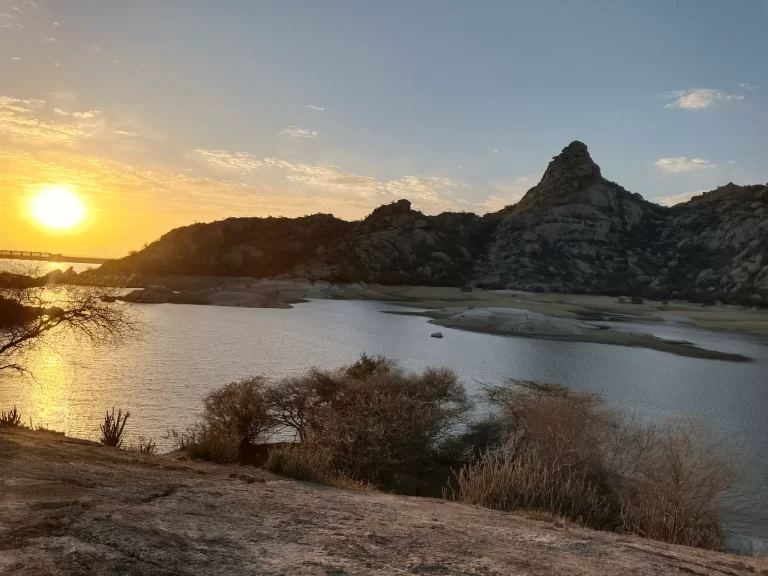
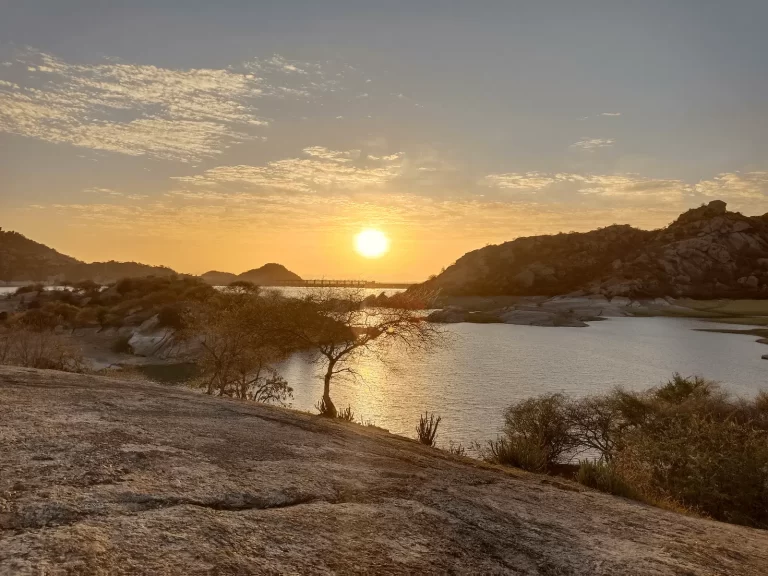
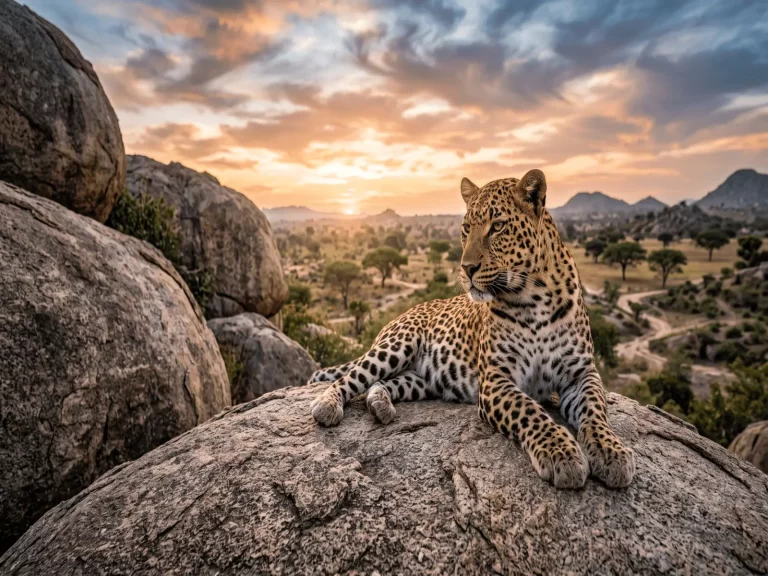
This is Jawai’s peak tourist season and the period most first-time visitors default to, and for good photographic reasons. Skies are clear and largely free of haze through most of this window, particularly from December onward, producing the sharp, high-contrast, intensely warm-toned golden hour that most widely circulated Jawai leopard images were shot during. The granite reads at its most dramatic in this light, deep rust and gold tones at the edges of the day, and comfortable daytime temperatures make extended time in the field genuinely pleasant rather than an endurance exercise. This period also overlaps with the strongest migratory bird presence at Jawai Bandh, with flamingos and demoiselle cranes typically most numerous from around October through the winter months, making this the single best window for photographers who want to combine leopard photography with dedicated bird photography at the dam in one trip. The tradeoff is that this is also the busiest season, both in terms of visitor numbers and in terms of demand for registered safari vehicles, so booking well ahead matters more here than in any other part of the year.
March and Early April: The Transition Into Heat
As winter gives way to the pre-monsoon heat, the light retains much of its winter clarity in the early part of this window but the atmosphere gradually grows hazier as temperatures climb and the ground dries further. Vegetation that survived the winter begins to brown off, giving the landscape an increasingly stark, dry character that some photographers find compelling in its own right, a starker and more austere version of the classic dry-season look. Visitor numbers begin to thin out compared to peak winter, which can mean more flexibility in vehicle scheduling and a less crowded experience at popular sighting locations. Bird numbers at the dam decline as migratory species depart, so this is a weaker window for dedicated bird photography even as leopard photography conditions remain reasonably strong.
Mid-April Through June: Peak Heat and a Different Kind of Opportunity
The hottest part of the year is genuinely demanding to work in, with high daytime temperatures that make extended midday activity uncomfortable and occasionally risky without real precautions. But serious photographers who push through this season are rewarded with a specific and valuable opportunity: as natural water sources beyond the dam itself shrink or disappear entirely, wildlife activity concentrates more predictably around the remaining water, which can produce more reliable and closer sightings than cooler months sometimes offer, since animals have fewer alternative locations to be. The light itself during the two golden-hour windows remains strong, and the increased dust in the air at this time of year can produce a hazier, more diffused quality to the light that some photographers specifically seek out for a softer, warmer atmospheric look distinct from winter’s crisp clarity. Working this season requires real attention to heat safety, more water, less midday activity, protected gear, but photographers who plan around those constraints rather than avoiding the season entirely often come home with images that look meaningfully different from the standard winter portfolio.
July Through September: The Monsoon
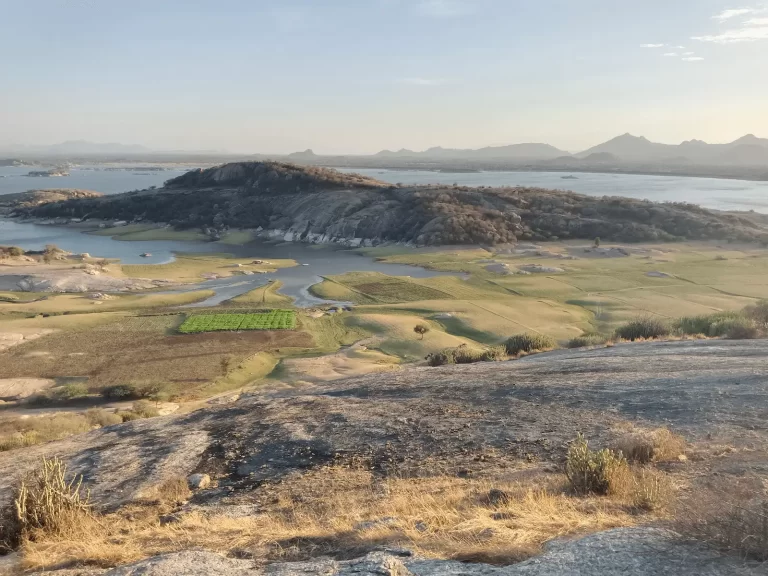
This is the season most first-time visitors skip entirely, and the season that a smaller group of experienced Jawai photographers quietly value the most. Rainfall transforms the landscape: scrub and grassland that were brown and dormant through the dry months turn green almost immediately after the first significant rains, producing a version of Jawai that looks almost nothing like the postcard dry-season image most people associate with this destination. The granite itself, dark and wet after rain, offers a different color and texture relationship with a leopard’s coat than the dry, warm-toned rock of winter. Cloud cover is heavier and more variable than at any other time of year, which extends the window of soft, workable light well beyond the tight thirty-to-forty-minute slot that bounds dry-season golden hour, since diffused light through cloud behaves more like a giant softbox across a longer stretch of the morning or evening. Dramatic, layered skies, heavy grey-to-gold cloudbanks that a clear October morning cannot produce, add a visual drama that dry-season images generally lack. The dam fills through this period as well, setting up the strong bird season that follows once migratory species begin arriving from around September onward. The obvious tradeoff is unpredictable weather and the practical challenges of shooting around rain, but photographers building a genuinely varied Jawai portfolio, rather than one repeated look, increasingly treat this season as essential rather than optional.
The Migratory Bird Calendar Specifically
Because bird photography at Jawai Bandh follows its own separate calendar from the leopard photography seasons, it is worth tracking on its own terms. Water levels rebuild through the monsoon and into early autumn, and migratory species, flamingos and demoiselle cranes most notably, typically begin arriving from around September, with numbers building through the winter months and holding reasonably strong into February before departure begins as the dry season intensifies. Photographers planning a trip specifically around the dam’s bird population should target this September-through-February window rather than assuming any time of year offers the same experience, since the drier pre-monsoon months see meaningfully reduced water levels and a correspondingly smaller bird population.
Matching the Calendar to Your Photographic Goal
A photographer whose primary goal is the classic leopard-on-golden-granite image, in its sharpest, most saturated form, should prioritize the December through February window, when dry-season light is at its clearest and most reliable. A photographer who wants to combine strong leopard photography with dedicated bird photography at the dam should target October through February, when both subjects are near their seasonal peak simultaneously. A photographer specifically interested in monsoon drama, green landscapes and dramatic cloud should plan for July through September, understanding that this comes with genuine weather unpredictability as a tradeoff. And a photographer building a comprehensive, multi-season portfolio of this landscape, rather than a single trip’s worth of images, benefits from visiting across more than one of these windows over time, since no single season captures the full visual range Jawai is capable of producing.
Booking Around the Calendar
Because peak winter months see the highest visitor demand and the tightest competition for registered safari vehicles, trips planned for October through February generally need to be booked considerably further in advance than trips planned for the quieter shoulder or monsoon months. Photographers with real flexibility in their travel dates sometimes find that the shoulder seasons, March into April, or the tail end of the monsoon in September, offer a useful middle ground: meaningfully quieter than peak season, with vehicle availability and pricing flexibility to match, while still delivering strong photographic conditions rather than the most extreme heat or the heaviest rains.
A Month-by-Month Quick Reference
- October and November: transitional into dry season, clearing skies, migratory birds beginning to arrive at the dam, good all-round conditions and moderate crowds
- December and January: peak dry-season clarity, the sharpest classic golden-hour granite images, strongest bird numbers at the dam, highest visitor demand
- February: still strong dry-season light, bird numbers holding, slightly easier vehicle availability than December and January
- March: light remains reasonably clear early in the month, vegetation starting to brown, bird numbers beginning to decline, fewer crowds
- April and May: intense heat, hazier light, wildlife concentrating around remaining water sources, demanding but rewarding for prepared photographers
- June: peak heat continuing, building humidity ahead of monsoon onset, generally the quietest month for visitors
- July and August: monsoon rains, green landscape, dramatic and unpredictable skies, extended soft light windows, lowest visitor numbers
- September: monsoon tapering off, landscape still green, dam refilling, early migratory arrivals beginning toward the end of the month
Gear Notes Specific to Dam Photography
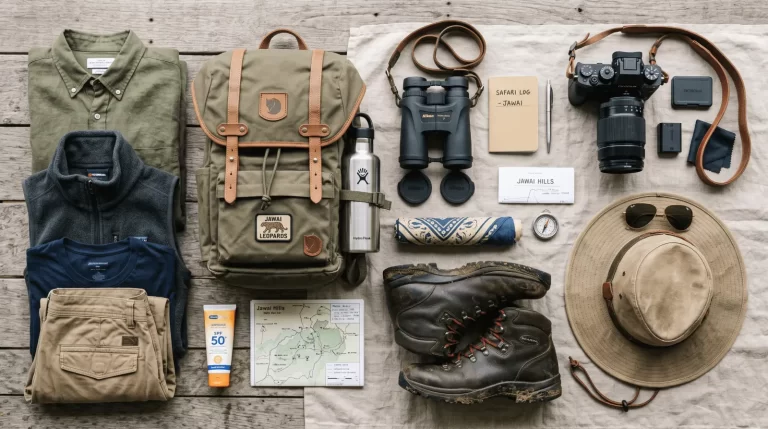
Bird photography at Jawai Dam rewards a slightly different kit approach than the granite-hill leopard safaris most visitors plan around first. Flamingos, cranes, and the smaller waders that work the shallow margins are usually distant subjects, so a longer telephoto, ideally in the 400mm-plus range or a shorter lens paired with a teleconverter, earns its weight far more here than it does on a hill drive where leopards are frequently close enough for a mid-range zoom to fill the frame comfortably. A monopod or beanbag rested on a vehicle window frame steadies a long lens through the early morning session when hand-holding fatigue sets in quickly, particularly if the plan is to stay at a single vantage point for an extended stretch rather than moving frequently.
Because the dam session typically runs longer and more static than a hill drive, a second body or a quick lens swap option is worth considering for photographers who want both a wide environmental frame, capturing flocks against the granite backdrop and the wider water, and a tight portrait-style shot of an individual flamingo or crane. Weather sealing matters more here than it might seem, since early morning dew and occasional mist off the water can dampen gear left uncovered, and a simple rain cover or dry cloth is a small addition worth carrying regardless of forecast.
Combining a Dam Session With a Hill-Based Drive
Most photographers visiting Jawai are not choosing between hill leopards and dam birds; they are trying to fit both into a limited number of mornings and evenings. Because the two subjects reward different vantage points, different pacing, and in the case of birds, considerable patience at a single fixed position, a dedicated dam session is generally more productive than trying to combine both into a single rushed outing. A good operator familiar with both the hills and the dam’s seasonal water level can help sequence a multi-day stay so that at least one full session is set aside purely for the dam, rather than treating it as an afterthought squeezed into the return leg of a leopard safari.
Message us on WhatsApp for current pricing and a quote tailored to your dates and group size.