The Golden-Hour Window at Jawai: Forty Minutes That Decide the Shoot
A Second Photography Destination Inside the First
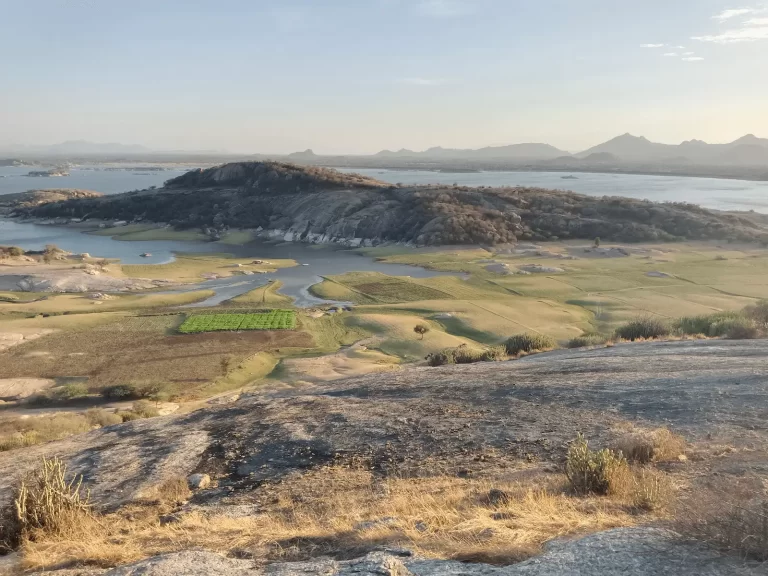
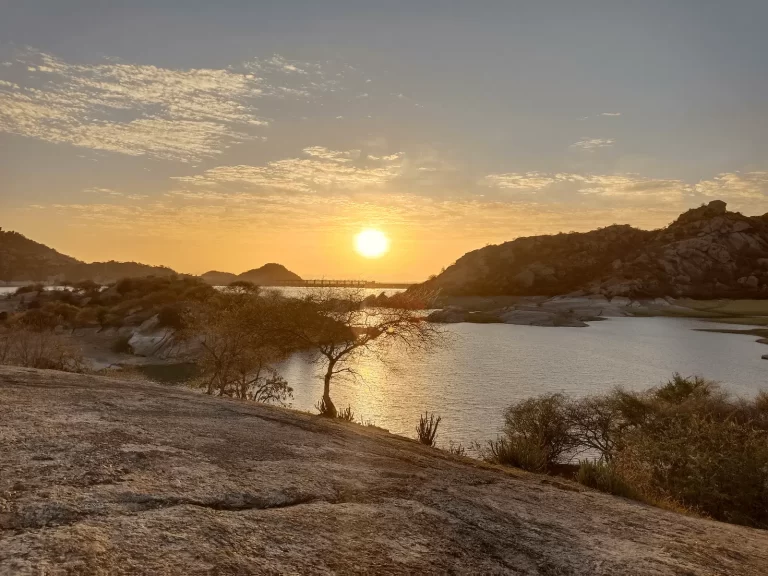
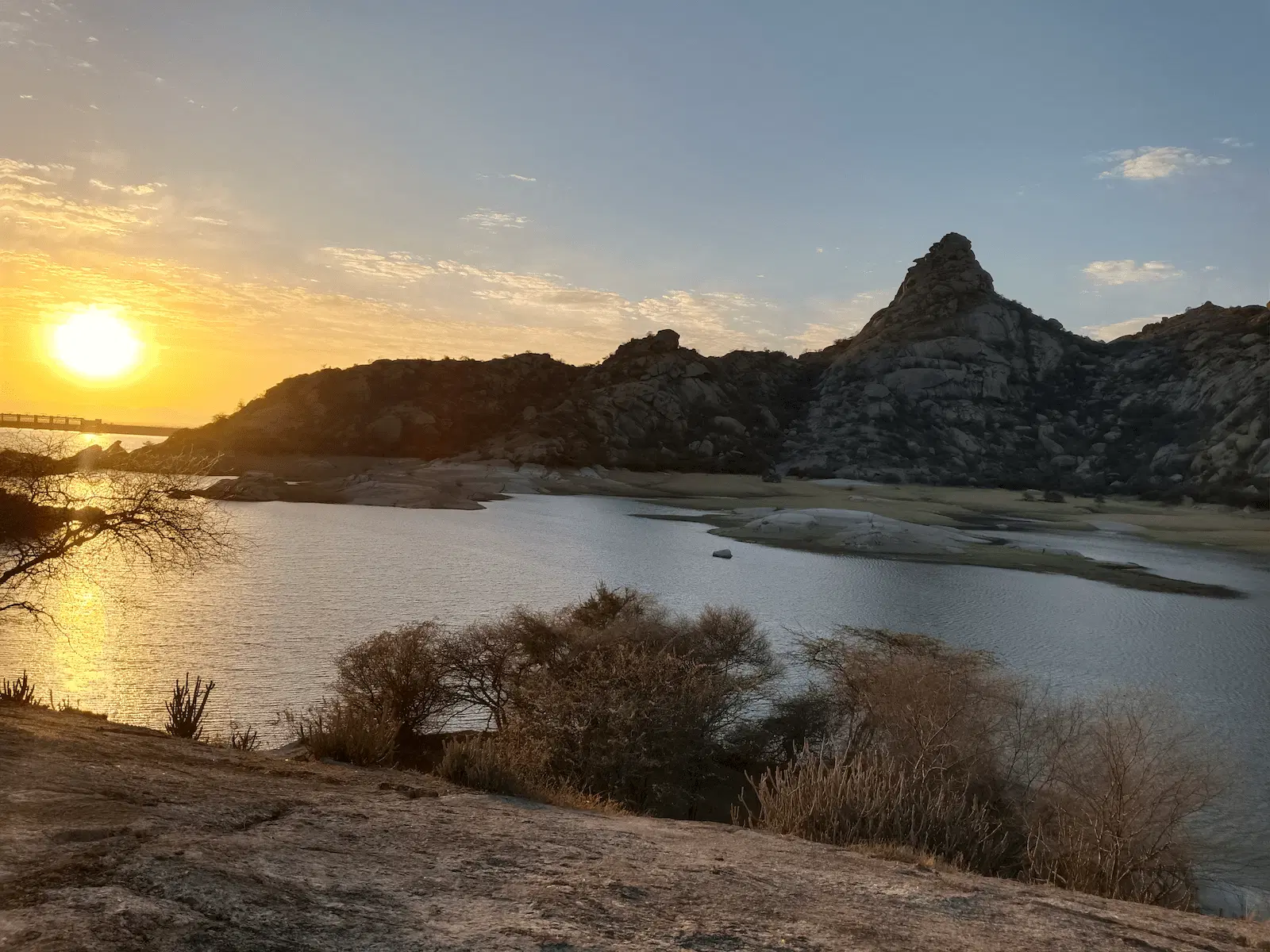
Jawai Bandh was completed in 1957 as an irrigation dam, not a wildlife project, but the reservoir it created did something nobody specifically engineered for: it became one of the more reliable wetland stops for migratory birds in this part of Rajasthan. Photographers who travel to Jawai purely for leopards are often genuinely surprised to learn that the dam itself deserves a dedicated morning or evening, separate from any leopard safari, and that a meaningful number of serious bird photographers now build entire trips around the dam specifically rather than treating it as a rainy-day backup to the granite hills.
The appeal here is partly the species list and partly the backdrop those species are photographed against. Very few wetland sites anywhere put flamingos and ancient granite inselbergs in the same frame. The combination of open water, mudflats, distant hills and an enormous sky gives bird photography at Jawai Bandh a landscape dimension that a lot of dedicated, flatter bird sanctuaries elsewhere simply do not offer. A flock of demoiselle cranes lifting off water with granite hills behind them is a genuinely different image from the same species photographed against a flat horizon.
What You Can Expect to See, and When
The dam’s bird population shifts meaningfully through the year, and the most productive window generally follows the monsoon, running from roughly September through the winter months into February, when water levels are healthy and migratory species have arrived in numbers. Flamingos are the species most photographers come specifically hoping to see, gathering in the shallows in groups that can be substantial in a good year, though numbers vary considerably with water levels and rainfall from one season to the next, and no honest operator should promise a specific count on a specific date. Demoiselle cranes pass through on migration and are a genuine highlight when present, moving in tight, vocal flocks that photograph well both resting on the water and in flight overhead.
Alongside these headline species, expect painted storks, pelicans, a range of ducks and waders, and a strong supporting cast of resident water birds present through most of the year rather than only the migratory season. Crocodiles also live in the dam and its backwaters, and while they are reptiles rather than birds, they are frequently part of the same morning’s photography, baking on the mudflats or moving slowly through the shallows, and worth including in a dam-focused session rather than treating as a separate subject entirely.
Technique for Photographing Flamingos and Cranes
Bird photography at the dam rewards a different technique than leopard photography on the granite, even though much of the same gear works for both. Because birds are typically at a greater and more consistent distance than a leopard sighting, and because a large flock benefits from being read as a whole composition rather than a single tight portrait, a telephoto zoom in the same 100-400mm to 150-600mm range used for leopards generally serves well here too, though photographers specifically prioritizing bird photography sometimes lean toward the longer end of that range or beyond it. A wider lens also has real value at the dam, since a shot that includes the water, the mudflats, a flamingo flock and the granite hills in one frame can be a stronger, more distinctive image than a tightly cropped portrait of a single bird.
Because water reflects light strongly, particularly in the low-angle conditions of early morning and late afternoon, exposure at the dam needs more active attention than a straightforward granite sighting does. Bright water and pale flamingo plumage can both push a camera’s metering toward underexposing the scene, and photographers who shoot the dam regularly often dial in some positive exposure compensation or shoot with careful attention to highlights to avoid a flat, grey result. Panning technique matters considerably for birds in flight, particularly cranes moving in formation, and a steady, practiced pan with a reasonably fast shutter speed produces far stronger results than a static, reactive approach to a moving flock.
Positioning and Approach
Birds at the dam are considerably more flighty and easily disturbed than Jawai’s leopards, which have grown accustomed to slow-moving vehicles over generations of coexistence with local herders and, more recently, safari traffic. A vehicle or observer approaching too quickly, too directly, or too close will typically flush a flock well before a usable photograph is possible, and patience from a distance, allowing birds to settle and resume natural behavior, produces far better results than pushing for proximity. Working from a fixed position at a reasonable distance and allowing birds to move naturally within the frame, rather than chasing them for a closer shot, is both the more effective technique and the more responsible one.
Early morning light at the dam has a particular quality worth planning around specifically: mist frequently sits over the water in the cooler months, and birds silhouetted or softly lit against that mist, with granite hills emerging behind, produce some of the most distinctive images the dam offers. This window is brief, generally in the first half hour after sunrise before the mist burns off, and photographers specifically targeting this look need to be positioned at the water’s edge before that window opens rather than arriving once the light has already flattened out.
Combining a Dam Session With a Leopard Safari
Because the dam and the granite safari zones are part of the same broader landscape, many visitors combine a dedicated bird-photography session at the dam with a standard leopard safari elsewhere in the same trip, rather than choosing one over the other. A common pattern is a dawn session at the dam followed by an evening leopard safari the same day, or the reverse, alternating focus across a multi-day visit so that both subjects receive proper dedicated attention rather than being squeezed into the edges of a leopard-only itinerary. Treating the dam as a genuine second destination within Jawai, rather than a brief stop on the way to somewhere else, generally produces a stronger and more varied set of images across a trip.
Seasonal Honesty About the Bird Population
It is worth being direct that the dam’s bird population is not a year-round constant at the same level. The strongest migratory presence follows the monsoon and holds through winter, while the drier months before the monsoon arrives can see lower water levels and a reduced, though not absent, bird population. Photographers planning a trip specifically for flamingos or cranes should time their visit toward the September through February window rather than assuming the dam offers the same experience in every season. This is simply an honest reflection of how a monsoon-fed reservoir and a migratory bird population actually behave, not a marketing simplification, and it is far better to plan around this reality than to arrive in the wrong month expecting a guaranteed flamingo spectacle that the season cannot deliver.
Working the Dam With a Guide Who Knows It
The dam’s shoreline changes with water levels through the year, and knowing which stretch of shoreline is currently productive, where birds are currently roosting or feeding, and where a vehicle or observer can position without disturbing the flock, is local knowledge that changes season to season rather than a fixed set of coordinates. A guide who works the dam regularly, rather than treating it as an occasional detour from leopard safaris, generally gets visiting photographers into position more efficiently and with less disturbance to the birds than a generalist approach would.
Composing Beyond the Single-Bird Portrait
A common trap for photographers new to the dam is defaulting to the same tight single-bird portrait approach that works well for a leopard on granite, and missing the compositions that are actually distinctive to this location. A flamingo flock’s real visual strength is often in its pattern and repetition, dozens of birds echoing the same shape and color across the water, which rewards a wider frame that captures the group rather than isolating one individual. The reflection of birds and hills in still water in the early morning, before wind disturbs the surface, is another compositional opportunity specific to the dam that a leopard safari on dry granite cannot offer. And the human element is present here too: local herders sometimes bring livestock to the water’s edge in the same frame as feeding birds, a coexistence image in its own right, distinct from the granite-based Rabari and leopard story but part of the same broader pattern of shared landscape that defines Jawai.
Equipment Notes Specific to Water and Mist
Shooting near open water raises a few practical considerations beyond what a dry granite safari requires. Humidity and occasional mist around the dam in cooler months can affect lens performance briefly at first light, and giving equipment a few minutes to acclimatize before shooting, rather than pulling a cold lens directly into humid air, reduces the risk of condensation on glass at exactly the moment the best light appears. A lens cloth kept dry and accessible matters more here than on a dry-season granite drive. Photographers working seriously at the dam sometimes also carry a simple rain cover for the body as a precaution, particularly during the shoulder period around the monsoon’s end when conditions can shift quickly.
Message us on WhatsApp for current pricing and a quote tailored to your dates and group size.