Jawai Bandh: The 1957 Dam That Accidentally Built an Ecosystem
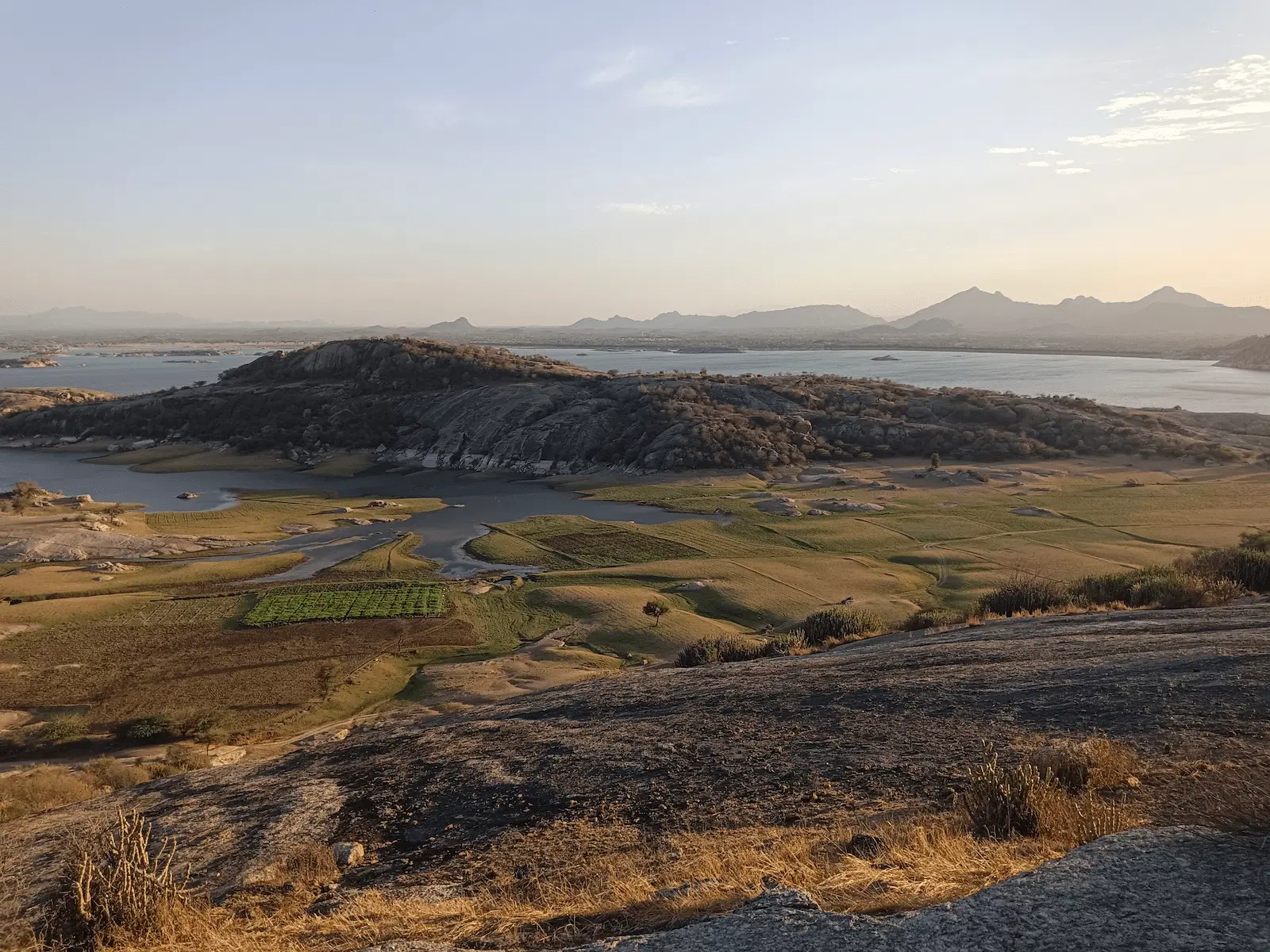
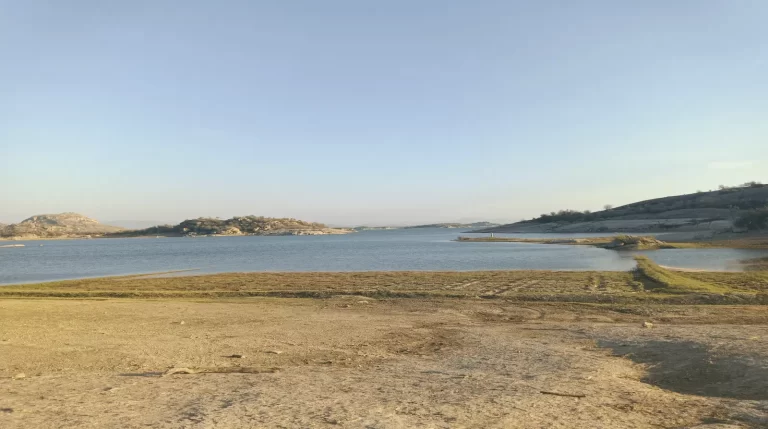
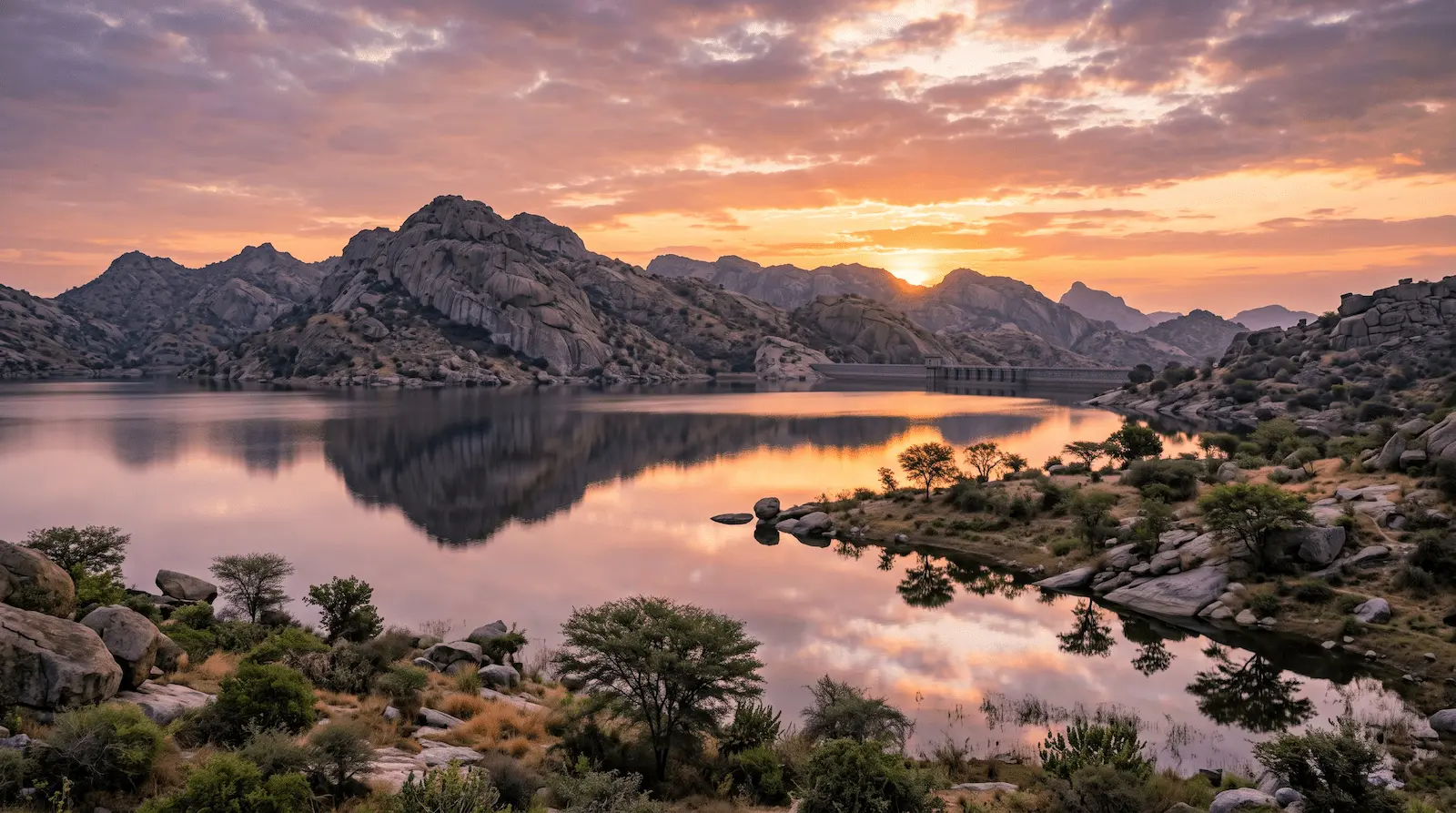
Nobody who approved the construction of Jawai Bandh in the 1950s was thinking about leopards, migratory birds, or crocodiles. The dam was built to solve a much narrower and more urgent problem: Pali district, sitting in a semi-arid stretch of Rajasthan with unreliable and highly seasonal rainfall, needed a dependable source of drinking water and irrigation supply that did not depend entirely on the monsoon arriving on schedule every year. Jawai Bandh, completed in 1957 across the Jawai river, was the engineering answer to that problem. Everything that makes this landscape a wildlife destination today is a consequence nobody planned for and nobody, at the time, could have anticipated.
The Original Purpose: Water Security, Not Conservation
To understand how unusual Jawai’s ecological story is, it helps to be specific about what the dam was actually for. Pali district in the 1950s faced the same structural water challenge much of Rajasthan has always faced: rainfall concentrated into a short monsoon window, followed by long dry stretches during which agriculture, livestock, and human water needs depended on stored supply rather than active rainfall. A dam across the Jawai river offered a way to capture monsoon flow and hold it through the dry months, supporting irrigation for surrounding farmland and providing a more reliable drinking water source for the district than scattered wells and seasonal water bodies could guarantee on their own.
This was, in other words, a standard mid-century public infrastructure project, the kind built across many parts of India during the same period as the country worked to expand irrigation capacity and water security for a rapidly growing agricultural population. There was no ecological survey behind it in the sense a modern conservation-minded project might include, no consideration of downstream wildlife effects, and no framing of the project as anything other than a water supply solution for people, not animals.
What Changed the Moment the Water Arrived
The transformation began as soon as the reservoir filled. Before the dam, the Jawai river’s flow through this stretch of the Aravalli hills would have been markedly seasonal, swelling during and immediately after the monsoon and shrinking to a fraction of that volume, or drying up in patches entirely, through the long dry season. Wildlife in a landscape like this adapts to exactly that seasonal water scarcity, meaning population densities of water-dependent species were almost certainly lower and more dispersed before a large, stable reservoir existed to concentrate them.
Once the dam created a large body of water that persisted reliably through the dry months, every species in the surrounding landscape that depended on water access had a new, dramatically more reliable resource to organize around. Nilgai and chinkara, the region’s principal prey species, could rely on the dam’s margins and the irrigated fields it supported rather than ranging more widely in search of scattered seasonal water. Livestock belonging to the Rabari pastoralist community, who have grazed this landscape for generations, gained the same reliable water access, allowing grazing patterns to concentrate more heavily around the dam’s zone of influence than they might have otherwise.
How This Reorganized the Leopard Population
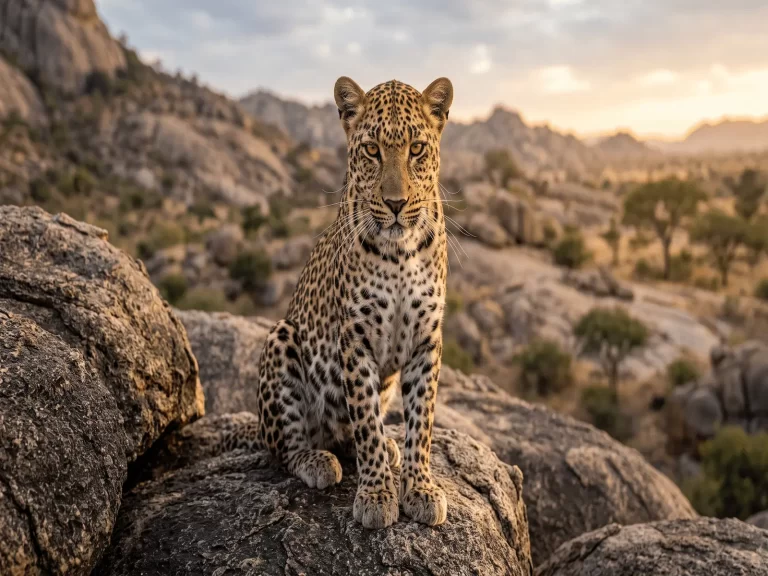
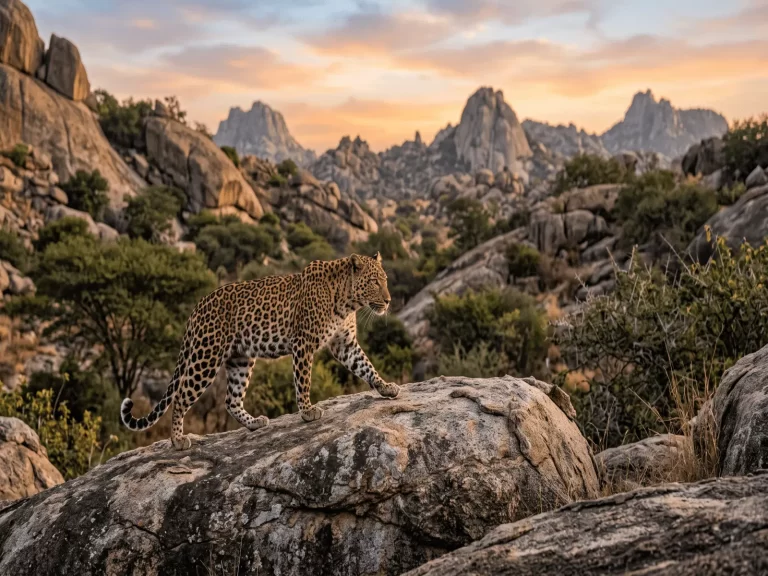
Leopards, as apex predators in this landscape, responded to the concentration of their prey base rather than to the water directly. A predator population’s density in any landscape tracks the density and reliability of its prey, and as nilgai, chinkara, and livestock concentrated more heavily within reach of the dam’s water, leopard territories reorganized to overlap with that same zone of concentration. This is very likely part of why leopard density in the hills immediately surrounding Jawai Bandh is understood to be higher than in comparable granite hill country further from the dam’s influence, even though the underlying geology — the same ancient, weathered Aravalli granite — is broadly similar across a much wider stretch of this region.
It is worth being honest about the limits of this account: there is no detailed historical record of exactly how leopard density in this specific landscape shifted in the years immediately following the dam’s construction, since nobody was studying leopards here with that purpose in the 1950s and 1960s. What can be said with confidence is the underlying ecological logic — reliable water concentrates prey, concentrated prey supports higher predator density — and that this logic maps clearly onto the pattern observed in the decades since, once serious attention began to be paid to Jawai’s leopard population.
An Accidental Home for Crocodiles
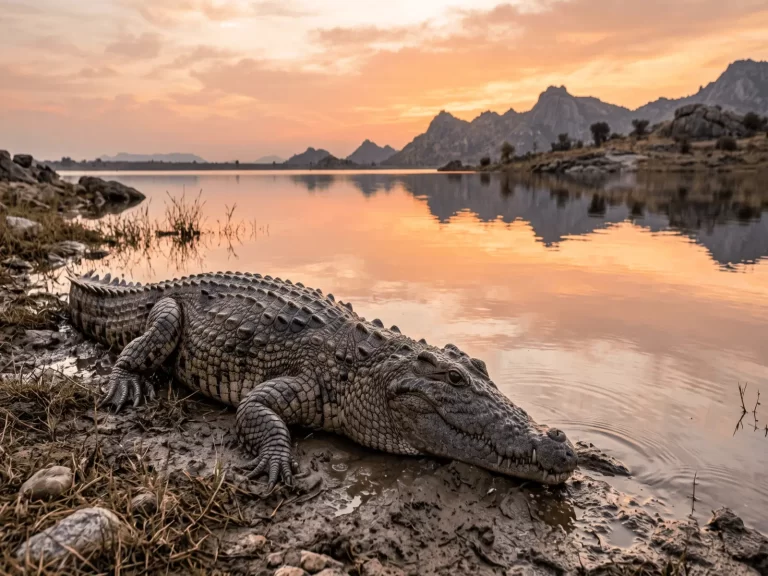
The mugger crocodile population resident in Jawai Bandh’s waters is perhaps the clearest single illustration of the dam’s unplanned ecological consequences, precisely because it is the sighting that surprises visitors more than almost any other. Muggers are a freshwater species that needs large, stable water bodies to support denning, basking, and a reliable prey base of fish and other aquatic life. The seasonal, unreliable flow of the pre-dam Jawai river would not have supported anything like the resident population now present. The reservoir created by the 1957 construction produced exactly the conditions this species requires, and a breeding population established itself over the subsequent decades, entirely independent of any deliberate reintroduction or management effort.
A Wintering Ground for Birds That Never Existed Before
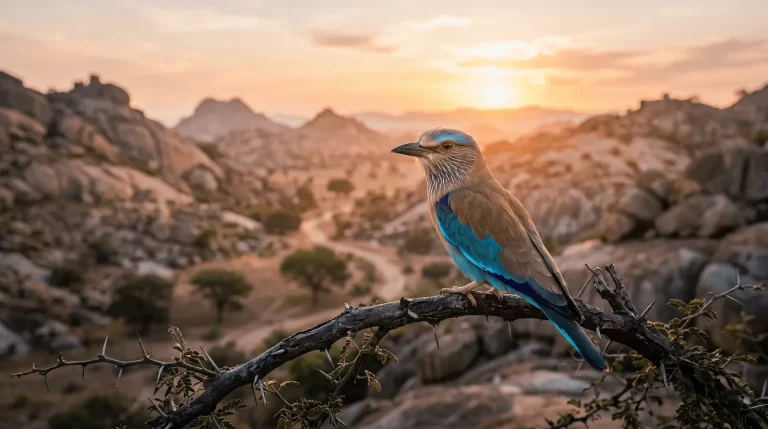
The same logic explains the dam’s significance for migratory birds. Species moving along the broader flyway that connects Central Asian breeding grounds to Indian wintering sites need large, reliable wetland habitat to sustain them through the winter months, and a semi-arid stretch of granite hill country with only seasonal, scattered water would have offered little of value to species like flamingos or demoiselle cranes before the dam existed. Jawai Bandh’s creation effectively added a wintering site to the map for these species, in a part of Rajasthan that would not otherwise have featured meaningfully in their migratory range. The dam did not attract birds that were already using this landscape in smaller numbers; it created habitat that had not previously existed here in any comparable form.
The Human Dimension the Dam Also Shaped
It would be incomplete to describe the dam’s consequences purely in ecological terms, because the same reliable water source that reorganized the region’s wildlife also anchored the Rabari pastoralist economy more securely around this specific stretch of landscape. Grazing patterns that might otherwise have been forced to range more widely in search of scattered water sources could concentrate more predictably around the dam’s zone of influence, reinforcing the long-standing relationship between the Rabari community and this particular hill country. The coexistence between Rabari herders and leopards, which predates any organized wildlife tourism and continues without the pattern of retaliatory killing seen in many other parts of rural India, developed within a landscape whose water geography the dam had already reshaped.
Why the “Accidental Ecosystem” Framing Matters
Describing Jawai as an accidental ecosystem is not a rhetorical flourish; it is a materially accurate description of how this landscape’s current ecological character came to exist, and it matters for how the site should be understood and managed going forward. Jawai was never designated, planned, or managed from the outset as a wildlife habitat, which means none of the protective legal or institutional frameworks that govern India’s formally designated sanctuaries and reserves applied here for most of the dam’s history. The leopard population, the crocodile population, and the migratory bird arrivals all developed and persisted largely because of a specific combination of ancient granite geology, unplanned reservoir water, and sustained human tolerance — not because of any formal conservation mandate.
This context is directly relevant to the regulatory changes introduced in 2026. The Rajasthan High Court order and the accompanying Forest Department standard operating procedure, which restrict commercial safaris to registered, GPS-tracked vehicles operating only during daylight hours, represent the first serious formal regulatory framework applied to this landscape’s tourism activity. The court has also asked the state to examine formally declaring Jawai a wildlife sanctuary, which would be the first time this accidental ecosystem received the kind of formal protected status that most of India’s other significant wildlife landscapes have held for decades. Whether or not that declaration happens, the underlying story remains the same: a water project built for entirely practical, human reasons in 1957 created, without any intention to do so, one of the more ecologically distinctive landscapes in Rajasthan.
What This Means for Understanding a Visit Today
Knowing this history changes how a visit to Jawai should be understood. The leopard resting on granite, the crocodile basking on the shoreline, the flamingos feeding in the shallows, are not features of a landscape that was designed or curated for wildlife viewing. They are the accumulated, decades-long consequence of a single infrastructure decision made for reasons that had nothing to do with any of them. That accidental quality does not make the ecosystem any less real or any less worth protecting through the current regulatory framework — if anything, it makes the coexistence and tolerance that have sustained it for nearly seven decades more remarkable, not less.
Message us on WhatsApp for current pricing and a quote tailored to your dates and group size.