Low-Season Jawai: What You Get That Peak Season Cannot Give
There Is No Single Best Season – Only the Best Season for You
Every other guide in this seasonal series looks at Jawai one season at a time. This one works the other direction: it starts from the traveller, not the calendar, and asks what actually matters to you before pointing at a window on the year. Photographers, families, budget-conscious travellers, and people whose main priority is avoiding crowds are all optimising for genuinely different things, and the “best” time to visit Jawai looks different for each of them. This is a decision guide, not another season-by-season recap – use it to work out which of the other, deeper guides on this site you should actually read next.
If You Are a Photographer
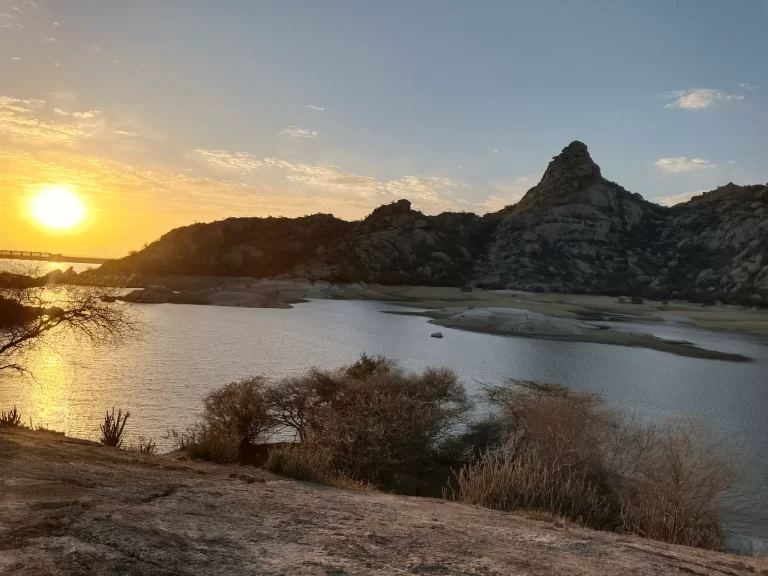
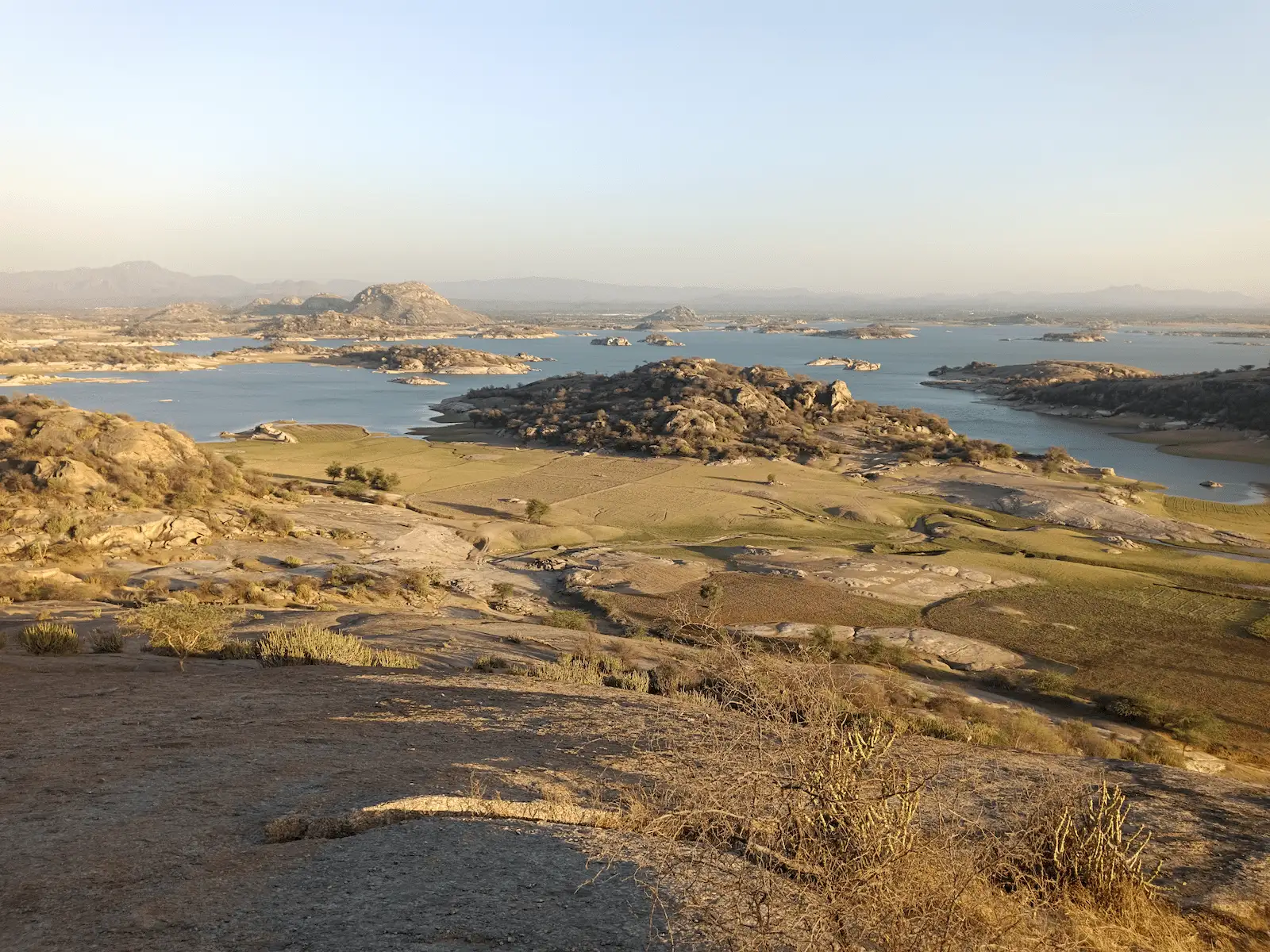
Photographers at Jawai are not a single group with a single answer, because the destination rewards more than one visual approach. If your priority is the classic shot – a leopard exposed against bare granite in strong, warm directional light – the peak dry months of the winter season and on into the shoulder season give you the most exposed rock and the most reliable structural conditions for that image, thanks to the dam’s low water level through this stretch of the year. If you are chasing something less commonly photographed – dramatic storm light over green hills, a transformed landscape few other photographers have shot, and tracks empty enough that you can hold a position at a sighting without competing for the angle – the monsoon months offer a genuinely different, less crowded creative opportunity. Summer splits the difference in an interesting way: the starkest, most sun-bleached version of the granite landscape, combined with a concentration of wildlife activity around shrinking water points that can make for tight, predictable shooting locations, at the cost of a narrower usable daily light window due to the heat. Read our dedicated photography-relevant seasonal guides – winter, monsoon, and summer – depending on which visual outcome you are actually after, rather than defaulting to “peak season” by habit.
If You Are Travelling With Family
Families juggling children’s comfort, patience, and safety alongside the wildlife experience tend to do best avoiding both climate extremes. Deep winter’s pre-dawn cold and deep summer’s punishing heat both ask more of young children than most family trips can comfortably absorb. The shoulder season – March and into early April – is generally the strongest fit for families: comfortable temperatures across most of the day, sighting conditions still carrying forward much of winter’s advantage thanks to persistently low water levels, and safari timings that do not require the bitterly cold pre-dawn starts that define the coldest winter weeks. Early winter, particularly November and into early December before the deepest cold sets in, is a reasonable second choice for families who need to travel during school holiday periods. Families should generally avoid peak summer altogether unless children are old enough to manage sustained heat well, and should treat monsoon with some caution given the possibility of rain-related schedule adjustments, which can be harder to absorb smoothly with younger children than with flexible adult travellers.
If You Are Budget-Conscious
While this site does not publish fixed pricing, the general pattern across Jawai’s tourism economy follows predictable seasonal demand: peak winter, particularly the weeks around Diwali, Christmas, and New Year, is when demand is highest and flexibility in accommodation and vehicle arrangements is lowest, which tends to work against budget-conscious planning regardless of the exact figures involved. Shoulder season and the deeper off-peak months of summer and monsoon generally offer more flexibility and negotiating room, simply because demand is lower and camps, resorts, and homestays are operating well under capacity. A budget-conscious traveller who is willing to trade some crowd-avoidance appeal for genuinely open availability should look closely at the shoulder season as the best overall balance, and at monsoon as the most flexible booking window of the entire year, while accepting the trade-offs each of those seasons carries on the wildlife-viewing side.
If Fewer Crowds Is Your Top Priority
For travellers who have visited more congested Indian wildlife destinations and specifically want to avoid a repeat of jostling vehicles and crowded viewpoints, the choice is clear: monsoon offers the lowest visitor numbers of the entire year, by a wide margin, followed by summer, and then the shoulder season once the post-holiday crowds thin through February and March. Peak winter, whatever its other advantages, is unambiguously the busiest and most crowded window on the Jawai calendar, particularly around the holiday weeks. Anyone prioritising solitude and pace over maximising sighting odds should look past the winter deep dive on this site and read the monsoon and summer guides instead, both of which are built specifically around what a quieter version of Jawai actually offers.
If You Want the Migratory Birds Specifically
This decision is the most clear-cut of any covered here. The flamingos, demoiselle cranes, and the broader migratory waterfowl population at Jawai Bandh are a winter phenomenon, building from initial arrivals in early autumn to a full population through the core winter months, then thinning again through the shoulder season. If birdlife is your primary reason for visiting, the winter window is not one option among several – it is the only window that delivers the spectacle you are looking for. Our dedicated migratory bird guide covers this in full depth, including timing within the season and how to position yourself at the dam effectively.
If You Are a First-Time Visitor Wanting the “Classic” Jawai Experience
If this is your first trip and you want the version of Jawai most commonly written about and photographed – strong sighting conditions, comfortable if occasionally cold temperatures, an active migratory bird population at the dam, and an established, well-run safari rhythm – peak winter remains the straightforward, reliable choice, provided you book vehicle and accommodation arrangements well ahead of your dates given how quickly this window fills. This is not the most adventurous or most original choice on this list, but it is the one most likely to deliver on the expectations most first-time visitors arrive with.
If You Are a Repeat Visitor Looking for Something Different
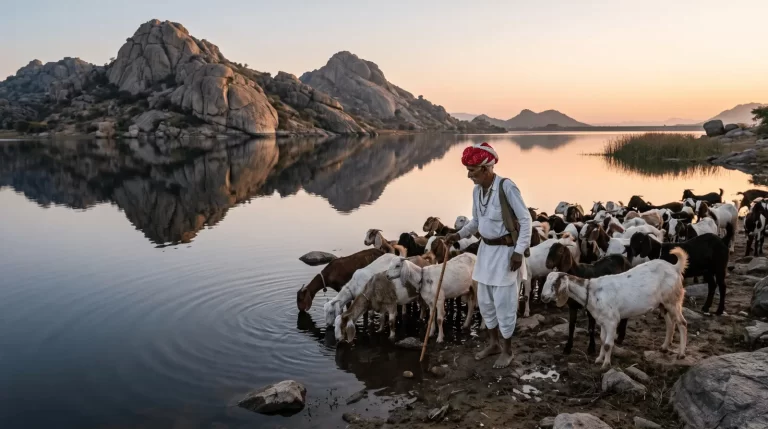
Travellers who have already done a winter Jawai trip and are looking for a genuinely different follow-up experience should seriously consider monsoon. The landscape transformation – green hills, a refilling dam, a completely different visual and atmospheric character to the same territory – offers something a second winter visit simply cannot replicate, alongside the lowest crowd levels of the year. Summer is a reasonable alternative for repeat visitors specifically interested in the water-scarcity concentration effect on wildlife movement, provided they are genuinely prepared for the heat-management demands that season requires.
If You Are Combining Jawai With a Wider Rajasthan Circuit
Travellers routing Jawai between Udaipur and Jodhpur, or building it into a longer circuit, face a slightly different question: not just when is best for Jawai itself, but when does the timing work for the whole trip. Peak winter is when the wider Rajasthan circuit is also at its most popular and most heavily booked, meaning hotel and transfer availability across the heritage cities can tighten alongside Jawai’s own peak-season pressure. Shoulder season offers an advantage here that goes beyond Jawai alone: March and April are generally calmer across the whole circuit, not just at Jawai, making logistics and accommodation easier to arrange for a multi-stop trip. Travellers with a fixed circuit itinerary that happens to fall in summer or monsoon should simply plan the Jawai leg according to those seasons’ own guides rather than trying to force a winter-style visit onto dates that do not match.
If You Are a Couple Seeking a Quiet, Romantic Trip
For couples prioritising a slower, more private atmosphere over maximising every possible activity, the calmer seasons carry a specific appeal. Monsoon’s near-empty tracks and dramatically transformed green landscape, or the shoulder season’s easier pace and thinner crowds, both suit a couple wanting unhurried time together at a camp or homestay without the bustle of peak-season group dynamics at shared viewpoints. Winter remains a fine choice for couples who want the classic experience and do not mind sharing the landscape with more visitors, but those specifically seeking privacy and quiet should weight their decision toward the off-peak windows described throughout this guide.
If Your Schedule Is Fixed and You Cannot Choose Freely
Not every traveller has the luxury of choosing dates around Jawai’s calendar – sometimes a trip is fixed to a work schedule, a school holiday, or a wider circuit already booked. In that case, the useful exercise is not agonising over whether your fixed dates are “ideal,” but reading the specific seasonal guide that matches whatever window you already have, and planning around that season’s real trade-offs rather than wishing for a different one. A family trip forced into May can still work well with proper heat management; a solo trip landing in July can still be a rewarding, quiet visit if the traveller goes in informed about rain-related flexibility. Every season on this calendar has a genuine version of Jawai worth experiencing – the goal of this whole seasonal guide series is simply to help you plan for the version you are actually going to get.
Bringing It Together
The honest throughline across every segment above is that Jawai does not have a single correct answer to “when should I go” – it has a set of trade-offs that respond differently depending on what you are optimising for. Match your own priority from the list above to the deeper seasonal guide it points to, and use that guide, rather than a generic peak-season assumption, to actually plan your dates.
Message us on WhatsApp for current pricing and a quote tailored to your dates and group size.