Monsoon in Jawai: Green Hills, a Full Dam and the Case for July–September
The Window Between the Rush and the Heat
March and April sit in an awkward spot on most travel calendars – too late to be “peak winter,” too early to be “summer,” and easy to overlook as a result. That is precisely why this window deserves a closer look at Jawai. The shoulder season keeps most of what makes winter appealing – comfortable temperatures, strong sighting conditions, active daylight hours – while shedding the crowd pressure and booking scramble that defines the busiest winter weeks. It is not a compromise season. For a specific kind of traveller, it may be the smartest choice on the entire calendar.
Why the Sighting Conditions Hold Up
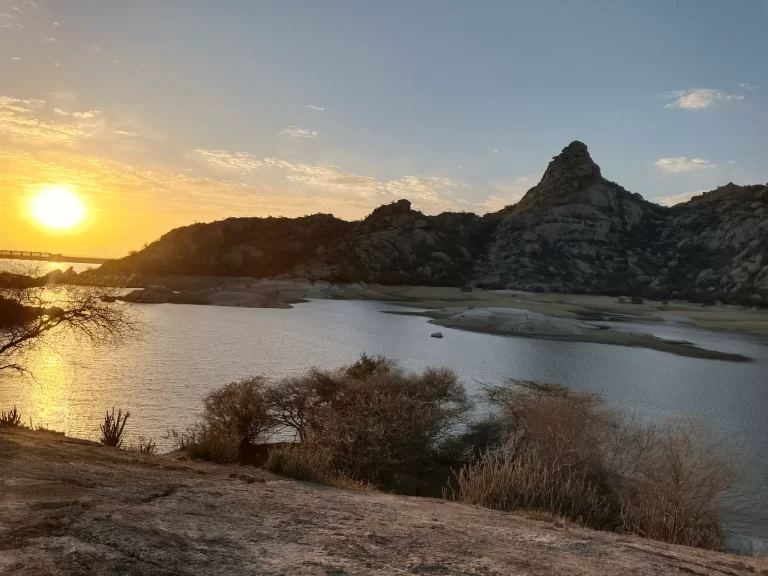
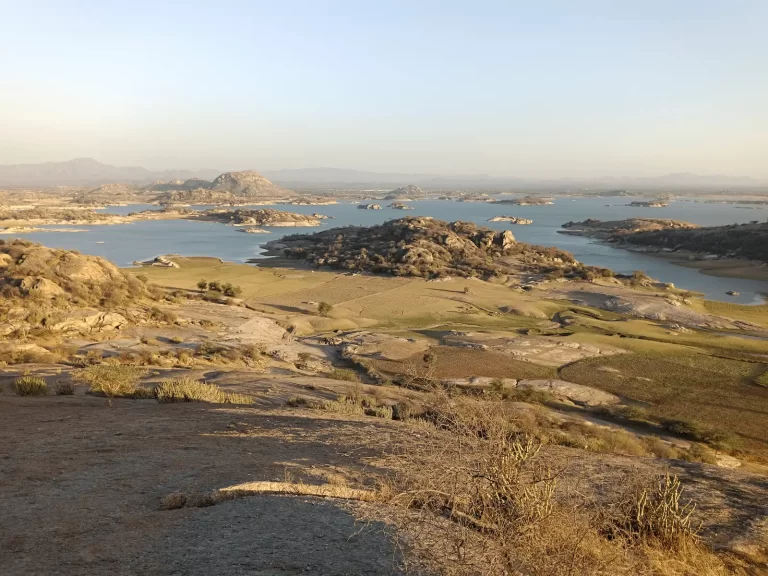
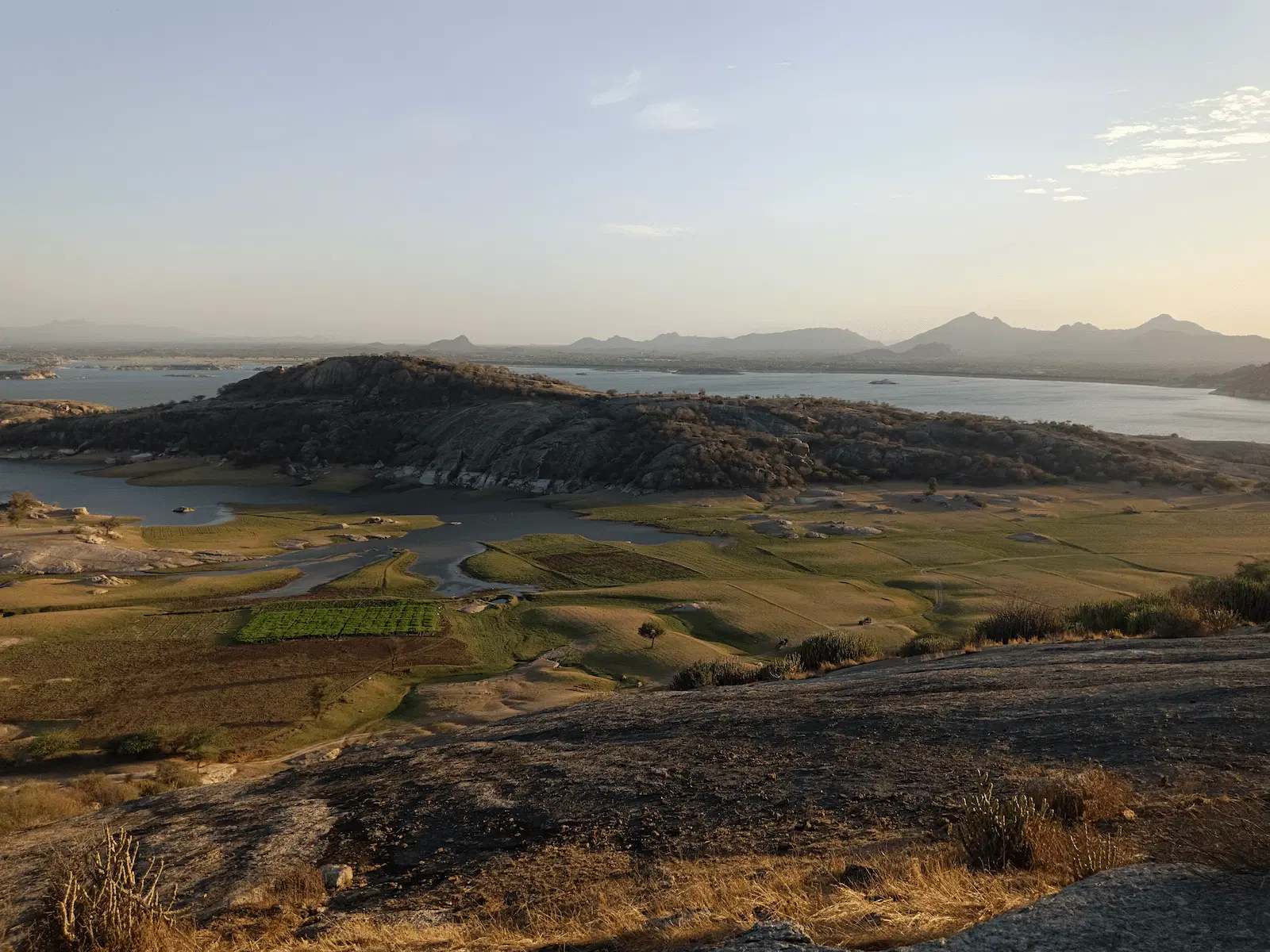
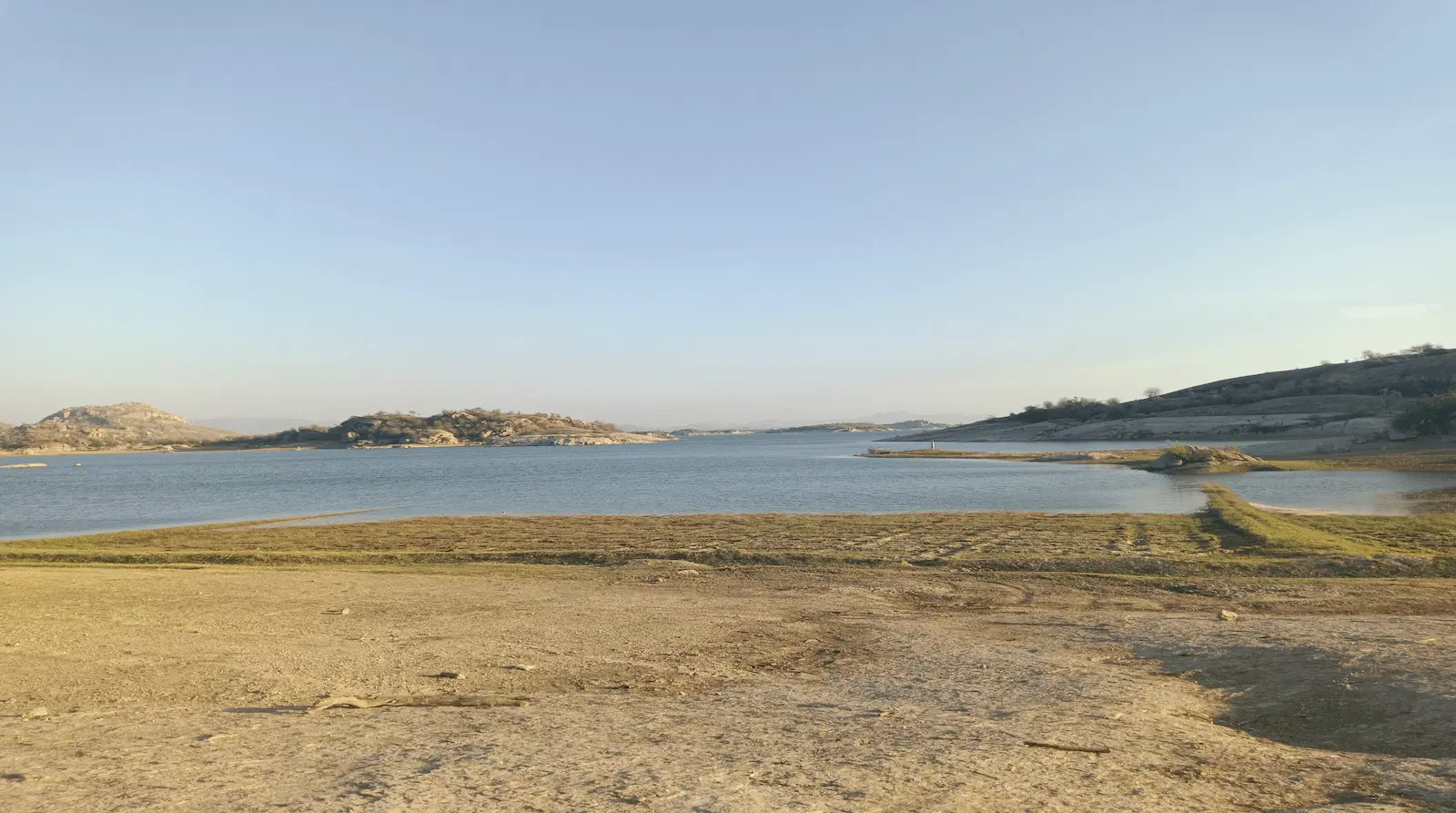
The water-level mechanics that drive Jawai’s leopard visibility do not reset the moment winter ends. Jawai Bandh dam continues drawing down through the dry season well into the pre-monsoon months, meaning March and April still see meaningfully exposed granite around the hills and the dam’s margins – not quite at the rock-bottom extreme of peak summer, but considerably more open than the post-monsoon landscape of October. Leopards continue to move across this increasingly exposed terrain in the Bera, Sena, and Devgiri zones much as they do in the depths of winter, and the underlying sighting conditions that make January and February so strong carry forward into these two months with only a gradual softening, not a sudden drop.
What does change is temperature, and it changes gradually rather than abruptly. March generally still offers comfortable mornings and pleasant days, closer in feel to late winter than to the serious heat of May. April begins to warm more noticeably, particularly by its second half, edging toward the conditions that define summer, but early-to-mid April remains a genuinely comfortable window for most travellers, especially compared to the intensity that arrives by May.
Where the Crowds Actually Go
This is the heart of the shoulder season’s appeal. Once the winter holiday period passes – the Diwali-through-New-Year stretch, and the weeks immediately following it that still carry residual peak-season demand – visitor numbers begin thinning noticeably through February and into March. By the time April arrives, the volume of vehicles on the safari tracks and the pressure on accommodation across Bera and Sena has dropped well below the winter peak, even though the underlying wildlife-viewing conditions remain strong. Travellers who choose this window tend to notice the difference immediately: shorter waits at a sighting, more space and quiet at camps and homestays, and a generally calmer, less rushed feeling to the whole trip, without giving up much in terms of what they came to see.
A Day in the Shoulder Season
A March or early-April safari day looks structurally similar to a winter day – an early morning drive taking advantage of the cooler, most active hours, a comfortable midday break, and an afternoon-into-evening session before the daylight safari window closes. The main practical difference is the pre-dawn temperature: shoulder season mornings are noticeably milder than the genuinely cold starts of December and January, meaning lighter layers are sufficient and the discomfort of a bitterly cold pre-dawn departure – a real feature of deep winter – is largely absent. By later April, the structure starts to shift subtly toward the summer pattern, with slightly earlier starts and more deliberate shade and hydration planning as temperatures climb, though nothing like the strict heat-avoidance discipline that defines a full summer day.
What’s Different at the Dam
The dramatic migratory bird population that defines the winter months at Jawai Bandh has largely moved on by the time shoulder season arrives – most of the flamingos and demoiselle cranes that build through the winter depart as the season turns toward the warmer months, following their own migratory patterns north. This is the shoulder season’s clearest trade-off relative to winter: strong leopard-viewing conditions carry forward, but the dam’s peak birdlife spectacle does not. Travellers whose priority is specifically the migratory bird season should look at our dedicated guide to that topic and plan around the winter window instead. Travellers whose priority is leopards first, with birdlife as a secondary interest, will find the shoulder season loses relatively little on the wildlife side while gaining considerably on crowd levels.
Why Experienced Travellers Choose This Window Deliberately
A growing number of repeat wildlife travellers – people who have already done a Jawai winter trip, or who have researched the destination thoroughly rather than defaulting to “peak season” advice – specifically choose March or early April for their visit. The logic is straightforward once the water-level mechanics are understood: the sighting conditions that make winter famous are still substantially in place, the temperature is still comfortable, and the crowd and booking pressure that define the winter rush have eased considerably. It is, in a real sense, the version of Jawai that delivers most of winter’s advantages without winter’s competition for vehicles and rooms.
Booking Reality in the Shoulder Season
Because demand is lower than peak winter, the shoulder season generally offers considerably more flexibility in both vehicle availability and accommodation choice, even close to travel dates. This does not mean booking casually is risk-free – the pool of committee-registered, GPS-tracked vehicles remains fixed regardless of season under the current regulatory framework, and popular properties can still fill for specific weekends – but the pressure is genuinely lower than the months bracketing it. This makes shoulder season a strong option for travellers who want some spontaneity in their planning without sacrificing much on the wildlife side.
The Rabari Landscape in Shoulder Season
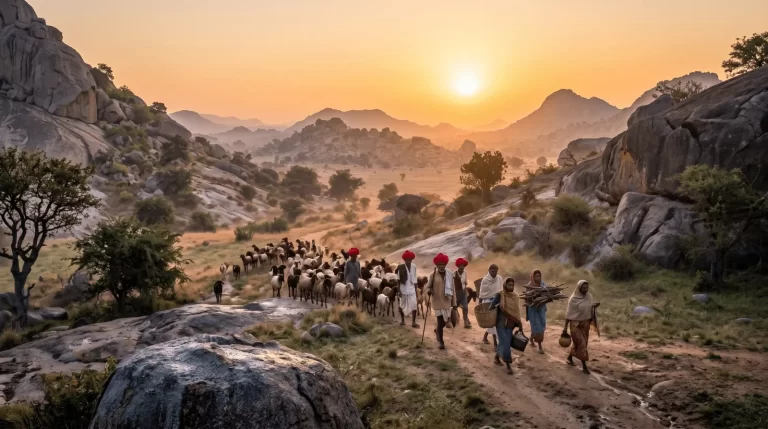
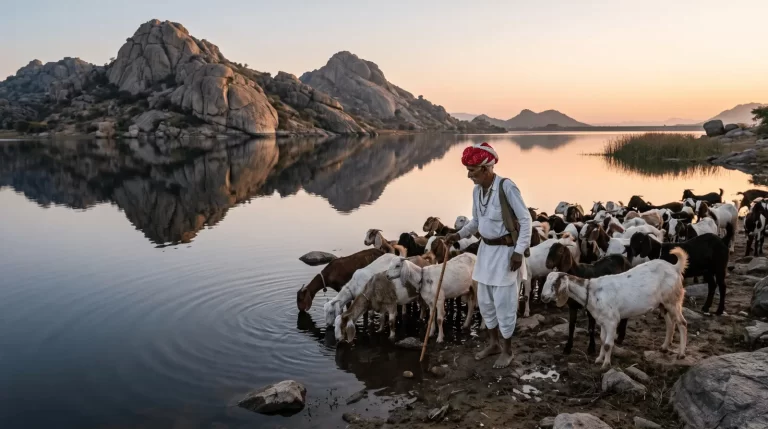
The human dimension of Jawai – the Rabari pastoralist community whose grazing routines and low-conflict coexistence with resident leopards define this landscape as much as the wildlife itself – continues unaffected by the tourist calendar. What does change with lower visitor numbers is the texture of encountering that daily life: a herder moving livestock across a granite hillside in March, without a queue of jeeps nearby, reads differently than the same scene witnessed as one of several vehicles converging on a sighting during a busy January morning. Shoulder season visitors who spend time on a village walk or simply observe grazing routines from a respectful distance often describe a calmer, less transactional version of this cultural encounter than what peak season sometimes produces around its busiest viewpoints.
Comparing Shoulder Season Directly to Its Neighbours
Set against winter, shoulder season trades a small amount of temperature comfort and the loss of the migratory bird spectacle for a meaningfully calmer, easier-to-book experience, while keeping most of the leopard-viewing advantage that low water levels provide. Set against summer, shoulder season offers a considerably gentler climate and a less demanding daily structure, without needing to compress activity into the tight dawn-and-dusk windows that summer heat forces. Set against monsoon, shoulder season keeps the exposed-granite visibility advantage that monsoon’s green cover and refilled dam remove, at the cost of monsoon’s dramatic landscape transformation and rock-bottom visitor numbers. Understood this way, shoulder season is less a compromise between the other three seasons and more a genuinely distinct sweet spot with its own specific balance of advantages.
Practical Planning Notes
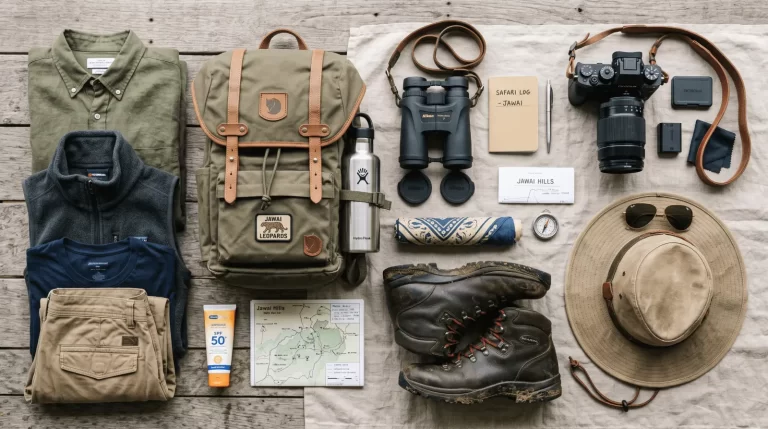
March is the stronger of the two shoulder months for travellers who want temperatures closest to winter’s comfort level alongside the lightest crowds of the post-holiday period. Early-to-mid April remains a solid choice for similar reasons, with warming conditions that are still manageable for most travellers, including families. Late April is the point at which shoulder season starts meaningfully overlapping with summer’s heat profile, and travellers planning a visit in this window should treat it more like an early-summer trip than a late-winter one, with earlier starts and more deliberate midday rest built into the schedule. Whatever the exact dates, packing for a shoulder-season trip is simpler than either winter or summer – lighter layers than deep winter’s cold-weather gear, without yet needing the aggressive sun protection and heat-avoidance planning that a true summer trip demands.
A Note on Festivals and Local Events
Shoulder season in Rajasthan can occasionally coincide with regional festivals and local events that add colour to a trip without the scale of a major holiday-period crowd surge. These vary year to year and are worth checking against your specific travel window, since a well-timed local event can add a genuine cultural dimension to a Jawai stay without the accommodation and vehicle pressure that a major national holiday period brings. This is a minor consideration next to the season’s core advantages, but it is one more reason to look at March and April as a deliberate choice rather than simply the gap between winter and summer.
Who This Season Genuinely Suits
The shoulder season suits travellers who want strong sighting conditions without competing for them – a profile that includes many repeat visitors, independent travellers who dislike rigid advance planning, and anyone combining Jawai with a wider Udaipur-to-Jodhpur circuit who wants flexibility built into the itinerary. It is a slightly less strong fit for anyone whose trip is built specifically around the winter migratory bird spectacle, and anyone travelling in late April should factor in the season’s gradual warming trend, particularly if visiting with young children or anyone heat-sensitive. For the broad middle of Jawai’s traveller base – people who want a genuinely good safari experience without the peak-season crush – March and early April deserve serious consideration rather than being treated as a fallback when winter dates do not work out.
Message us on WhatsApp for current pricing and a quote tailored to your dates and group size.