Jawai Over Diwali, Christmas and New Year: Availability and Price Reality
The Wildlife Story Beyond the Leopards
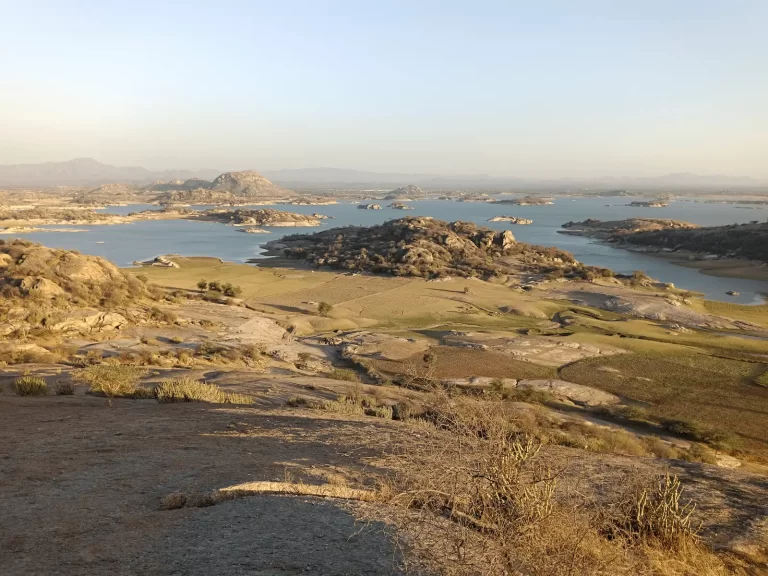
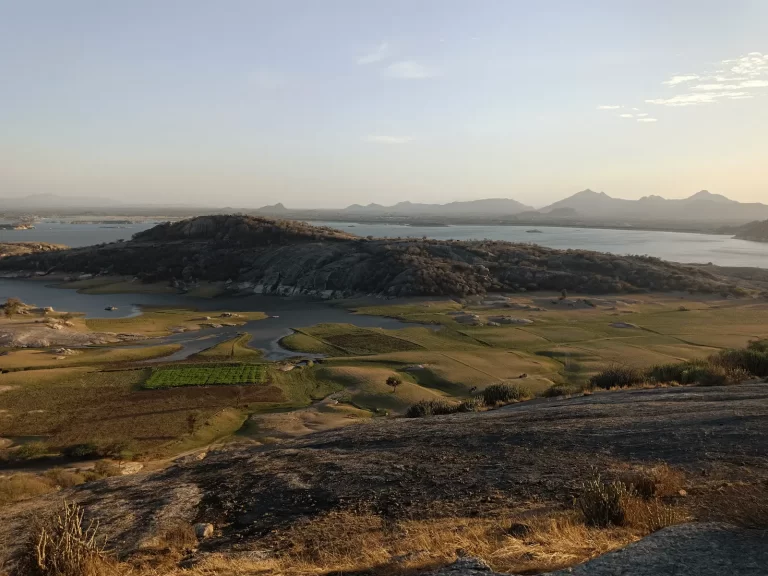
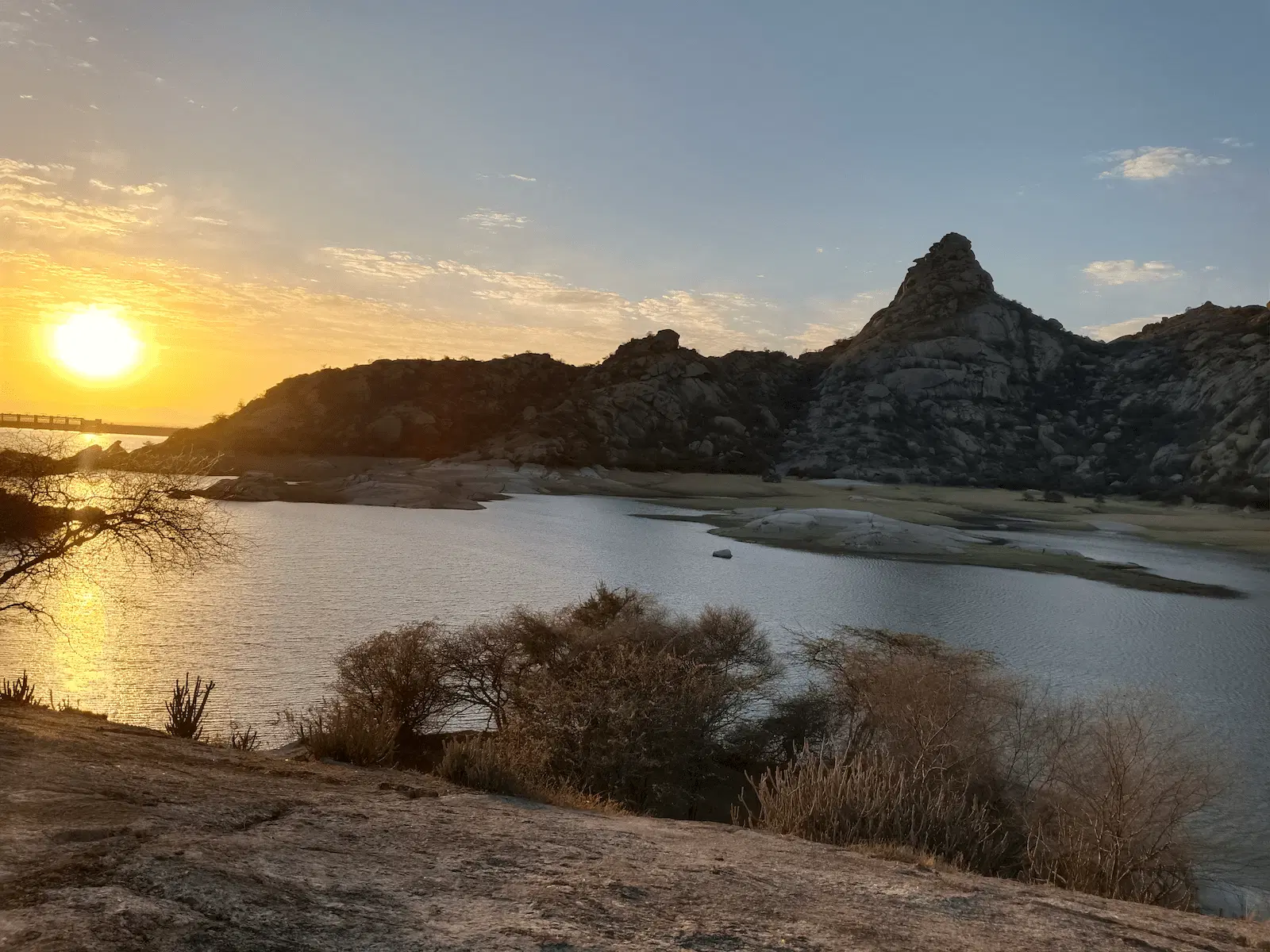
Ask most people what Jawai is known for and the answer is leopards on granite. That is true, but it is not the whole picture. Jawai Bandh, the dam built in 1957 as a straightforward Pali district irrigation project, has become over the decades a genuinely significant stopover for migratory water birds, and the winter months bring a seasonal spectacle at the water’s edge that stands entirely on its own, separate from the leopard safari experience. This guide covers that spectacle specifically: which birds arrive, when, and how to actually position yourself to see them well.
How the Migration Connects to the Water Cycle
The timing of Jawai’s migratory birdlife is tied directly to the same annual water cycle that governs leopard visibility on the surrounding granite, though the two respond to that cycle in different ways. As the monsoon rains taper off through September, the dam approaches its highest annual water level, and this is precisely when the first migratory arrivals begin appearing at the water’s edge. Through October and November, as the water begins its gradual dry-season drawdown, the bird population continues building, reaching its fullest and most varied point during the core winter months. This means the dam offers a genuinely dynamic birdwatching calendar rather than a single static “bird season” – arrivals build steadily from initial scouts in early autumn to a full winter population, then thin again as species begin their return migration through the shoulder season months of March and April.
What Arrives: Flamingos and Demoiselle Cranes
Among the migratory species that make Jawai Bandh a genuine birding destination, flamingos and demoiselle cranes stand out as the two most visually striking and most sought-after by visiting birdwatchers and photographers. Flamingos gather at the dam’s shallower margins, drawn by the same conditions that make this reservoir attractive to a wide range of waterfowl – accessible shallows, food sources exposed as the water recedes, and relative undisturbed quiet away from the safari tracks focused on the surrounding hills. Demoiselle cranes, among the more elegant of the crane species that winter across parts of Rajasthan and Gujarat, are similarly drawn to the dam during the winter months, often visible in the same dawn and dusk windows that also produce the best leopard activity on the hills nearby. Beyond these two headline species, the dam supports a broader range of migratory and resident waterfowl through the winter season, making a slow, observant visit to the water’s edge rewarding even without a single specific species in mind.
When to Go for the Birds Specifically
If migratory birdlife is the primary reason for a Jawai visit, the core winter months – broadly November through February – represent the strongest window, when the dam’s seasonal population is at its fullest extent. Early in this window, arriving species are still building in number; by the heart of winter, the population is at its peak variety and volume. Late in the window, through February, numbers generally remain strong before beginning to thin as the shoulder season approaches and species start their return migration north. Visitors whose trip is built specifically around birdlife should generally avoid planning around the very early autumn arrivals or the late shoulder-season departures, and instead centre their dates on the deep winter months for the fullest possible spectacle.
Best Times of Day at the Dam
Dawn and the couple of hours following sunrise, along with the period leading into dusk, tend to be the most productive times to observe activity at Jawai Bandh – light is softer and more favourable for both viewing and photography, and bird activity around feeding and movement across the water tends to be more pronounced than during the stiller heat of midday. This dawn-and-dusk pattern conveniently overlaps with the same hours that produce the strongest leopard activity on the surrounding granite, which is part of why a well-planned winter day at Jawai can combine an early safari session focused on the hills with a slower, unhurried dam visit later in the same day, rather than needing to choose one wildlife experience over the other.
How to Position Yourself Respectfully and Effectively
Observing the dam’s birdlife well comes down to patience and a quiet approach rather than active pursuit. Migratory birds at the water’s edge are sensitive to sudden movement and noise, and the most rewarding sightings tend to go to visitors willing to settle into a single vantage point and wait, rather than moving frequently in search of a better angle. A good vantage point along the dam’s edge, positioned with the early or late light behind you rather than facing directly into it, generally produces both better viewing and better photography than an exposed position in harsh midday sun. As with every wildlife encounter across the Jawai landscape, keeping a respectful distance and avoiding any disturbance to feeding or resting birds is both the ethical approach and, in practice, the one that produces the best sustained viewing, since undisturbed birds behave naturally rather than scattering.
Photography Considerations at the Dam
Photographing the dam’s birdlife well tends to reward the same dawn and dusk timing that benefits general viewing, when directional light adds depth and colour to images of birds against the water and the granite hills beyond. A longer lens generally serves birds at the water’s edge better than the focal lengths suited to closer leopard photography on the hills, since maintaining a respectful distance from the birds is both an ethical requirement and a practical one – getting close enough to disturb feeding or resting birds is neither responsible wildlife photography nor likely to produce good images, since disturbed birds move or take flight rather than behaving naturally. A tripod or a stable vehicle-mounted position, combined with patience, tends to outperform an active, moving search for the perfect shot.
Why Jawai Bandh Attracts Migratory Birds at All
It is worth understanding why an irrigation dam built for agricultural water supply in 1957 became, by accident, a stop of genuine significance on a broader migratory circuit. The answer is simply that Jawai Bandh offers exactly what migratory water birds need through the winter months: a reliable, sizeable body of water in an otherwise dry granite and scrubland landscape, with shallow margins that expose feeding grounds as the water recedes through the dry season, and enough scale to support a genuine population rather than a handful of stray individuals. This is the same accidental-ecosystem story that explains the leopards’ relationship with the dam’s surrounding granite – a piece of mid-century infrastructure with no conservation intent behind it, which nonetheless created conditions that a range of species now depend on seasonally.
Resident Birdlife Versus the Migratory Population
It is worth distinguishing between the dam’s resident bird population, present in some form year-round, and the migratory species that specifically arrive for the winter season and depart again before the heat of summer. Resident species can be seen on a visit at any time of year, while the flamingos, demoiselle cranes, and the wider seasonal waterfowl population covered in this guide are specifically a winter phenomenon, tied tightly to the arrival and departure windows described above. A summer or monsoon visit to the dam will still offer birdlife of a kind, but it will not replicate the specific migratory spectacle that makes winter the clear priority for a birding-focused Jawai trip.
What a Birding-Focused Visitor Should Prioritise
Travellers whose main interest is the migratory bird season, rather than leopards as the primary draw, should think about their trip slightly differently to a standard safari-first itinerary. Centring travel dates on the core winter months rather than the shoulder season is the single most important decision, since bird numbers are directly tied to that window. Building in unhurried time at the dam itself, rather than treating it as a brief stop between safari sessions, makes a meaningful difference to the quality of observation, since the best sightings often reward patience over a longer sit rather than a quick pass-through. And pairing the trip with a guide or vehicle arrangement that understands the birding side of Jawai specifically, not only the leopard safari logistics, ensures the dam visit gets the attention and positioning it deserves rather than being an afterthought tacked onto a leopard-focused day.
Combining the Dam With a Wider Jawai Visit
For most visitors, the dam’s migratory bird spectacle is one part of a broader winter trip rather than the sole focus, and it combines naturally with the safari experience on the surrounding granite hills. A typical winter day might open with an early safari session in the Bera, Sena, or Devgiri zones, move into a relaxed midday visit to the dam itself, and close with a second safari session in the late afternoon – giving a full sense of both the leopard landscape and the water-based birdlife within a single day, without needing to sacrifice one for the other. Travellers whose interest in birdlife runs deeper may prefer to dedicate more unhurried time at the dam itself, adjusting the balance of a multi-day itinerary accordingly.
Message us on WhatsApp for current pricing and a quote tailored to your dates and group size.