Best Time for a Jawai Safari: A Month-by-Month Honest Guide
The Season That Defines Jawai’s Reputation
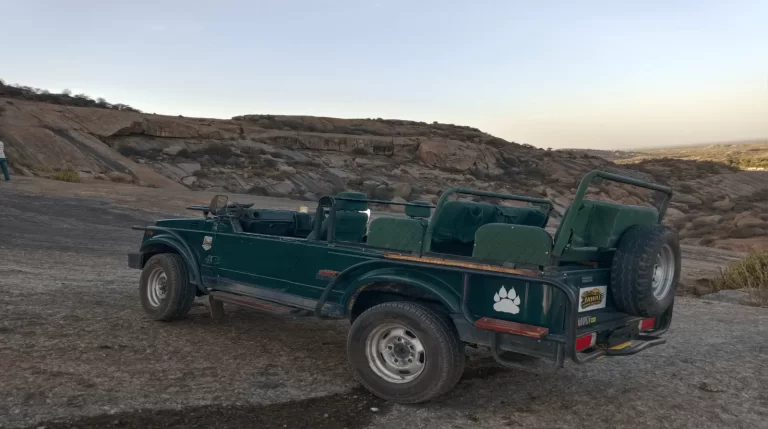
When people picture a Jawai leopard safari – a jeep easing along a dawn track, breath visible in the cold air, granite hills catching the first gold light – they are usually picturing winter, because winter is when Jawai runs at its fullest and looks its most photogenic. October through February is the established peak season across Pali district’s safari calendar, and it earns that status honestly: this is when temperatures are most comfortable for long hours in an open vehicle, when the dam’s water level is drawing down toward its lowest point of the year, exposing more granite and more visible leopards, and when the migratory bird population at Jawai Bandh reaches its seasonal peak. It is also, correspondingly, when demand is highest, accommodation fills earliest, and the roads and viewpoints carry the most traffic. This guide covers what that actually looks like on the ground, month by month within the winter stretch, so you can plan around the season’s real shape rather than a generic “winter is best” assumption.
How Winter Actually Unfolds: October Through February
The winter season is not one uniform block of weather and experience – it has its own internal arc. October carries the tail end of monsoon warmth and humidity, with the dam still relatively full from the rains and the landscape holding onto its green cover a little longer than the months that follow. This is genuinely a transition month: cooler than summer, but not yet the crisp, dry cold that defines December and January. By November, the shift is unmistakable – mornings turn properly cold, humidity drops, and the hills begin taking on the drier, more open look that will define the core of the season.
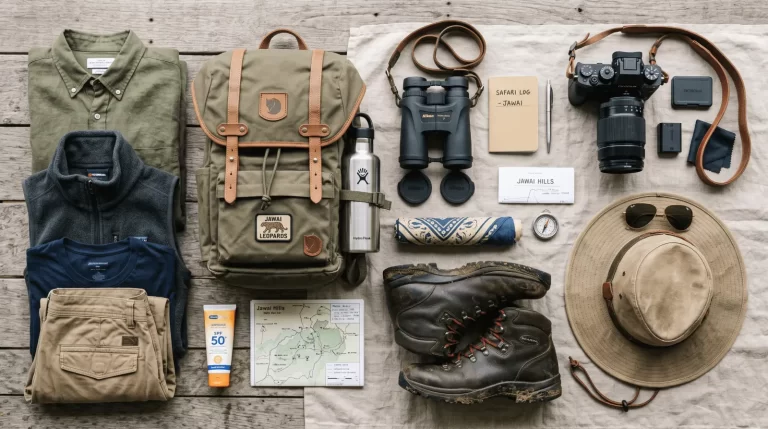
December and January are the coldest stretch, and this catches a surprising number of visitors off guard given Rajasthan’s reputation as a desert state. Pre-dawn safari departures in these months mean genuinely cold conditions in an open jeep – layers matter here in a way that first-time visitors often underestimate, packing for “India” rather than for a Rajasthan winter dawn. By mid-morning the temperature climbs into a comfortable range, and afternoons can feel pleasantly mild, but the swing between a 6am departure and a midday return is significant enough that it shapes what people wear and how they plan their day. February eases slightly from the January cold, and by late February the first signs of the transition toward the shoulder season begin – warmer days, the water level still low but starting its slower descent toward the pre-monsoon minimum.
What Sightings Actually Look Like in Winter
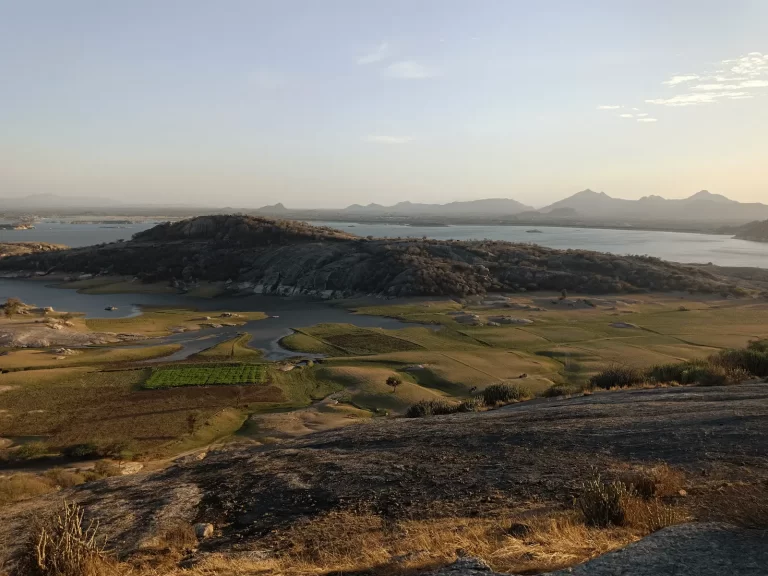
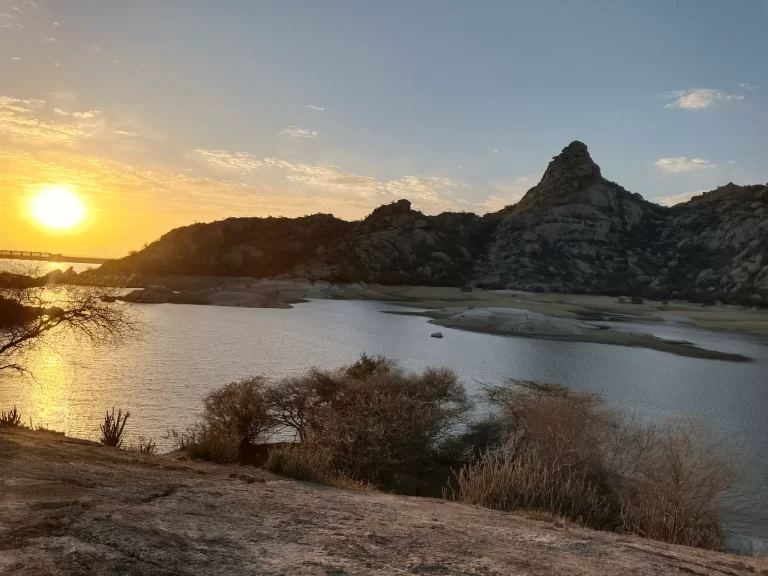
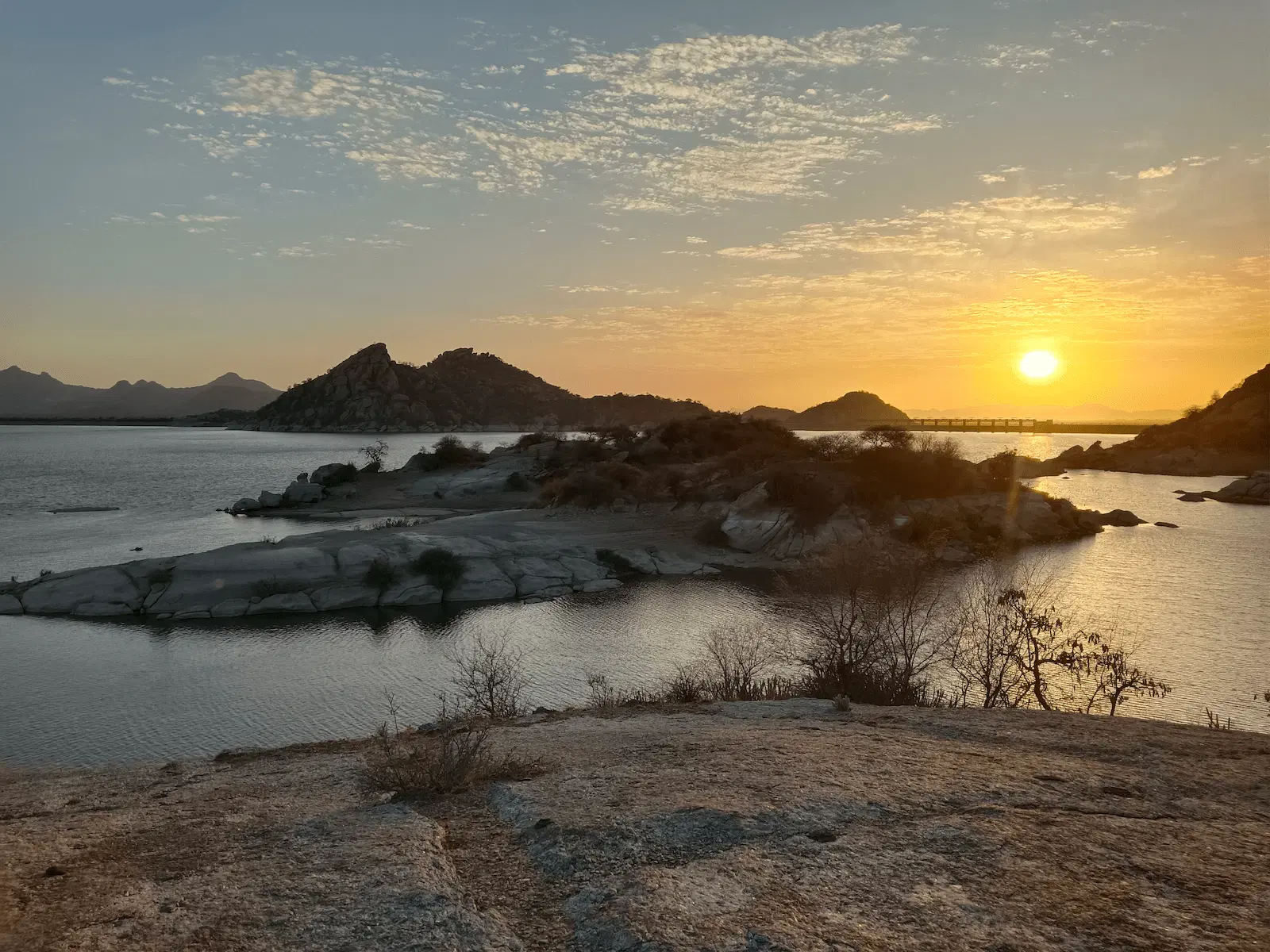
Winter’s sighting advantage is grounded in something specific: the water level in Jawai Bandh dam falls steadily through the dry season, reaching its lowest point around January and February, and as it falls, more granite surface around the hills and the dam’s margins is exposed. Leopards here den in rock crevices across the Bera, Sena, and Devgiri zones and move across this increasingly open terrain rather than through dense forest cover, which means the visual conditions for spotting them are simply better in the driest months than at any other point in the year. This is the honest mechanism behind winter’s reputation, not luck or marketing.
That said, no responsible operator or guide will tell you a sighting is guaranteed on any given drive, in any season, and winter is no exception. What winter offers is improved odds relative to other months, stacked through favourable terrain visibility, generally active daylight hours across a comfortable temperature range, and experienced guides who know the current territories well after a full season of daily observation. Two safari sessions in a single winter day – an early morning drive and a late-afternoon one – meaningfully improve your overall chances across a short trip, simply by putting more hours of good-visibility daylight in front of you.
A Day in Winter Season: What to Actually Expect
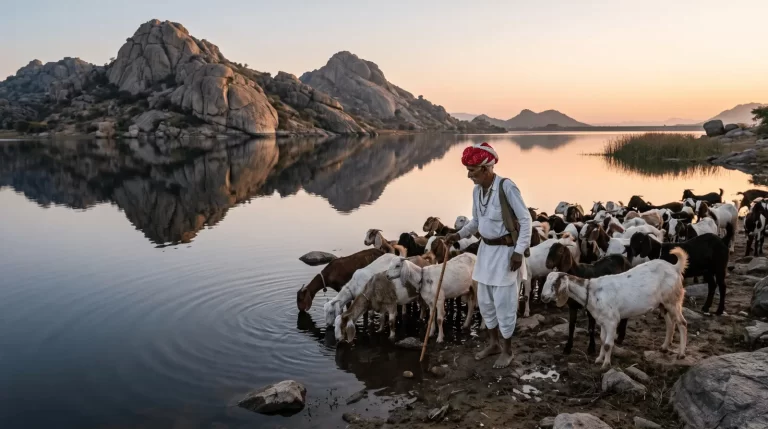
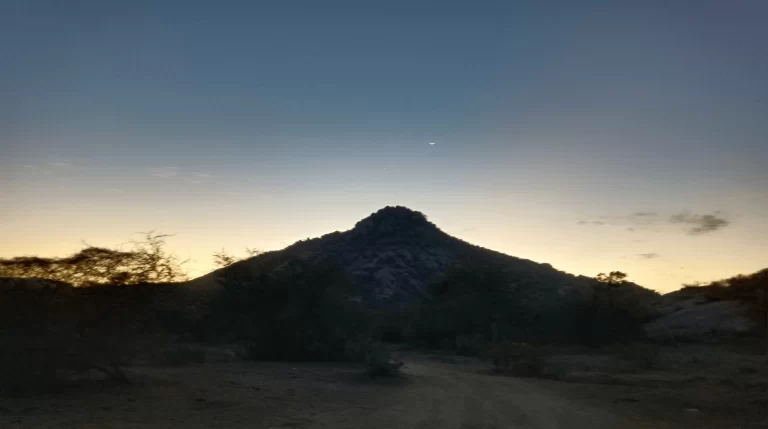
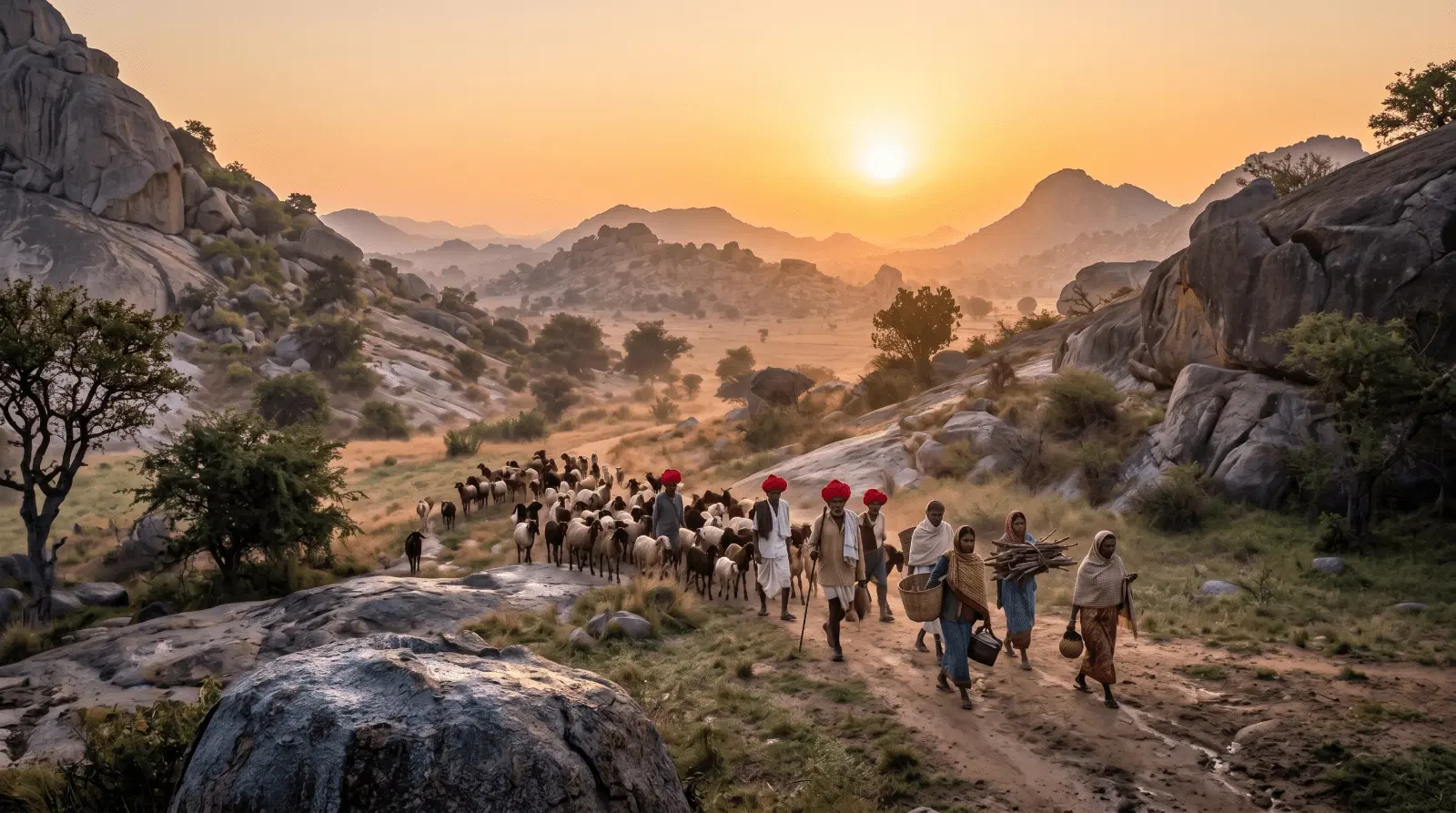
A typical winter safari day starts early, often with a pickup well before sunrise so the vehicle is in position on the granite as the light comes up – dawn and the hour after it are prime activity time for leopards moving between resting spots and hunting ground. The cold at this hour is real; most guests are glad of a blanket and a proper layer system rather than a light jacket. The morning session typically runs a few hours, tracking known territories and responding to fresh signs – alarm calls from langurs or peafowl, tracks on a dirt path, a Rabari herder’s report of recent activity – before returning as the day warms toward a comfortable midday.
Midday in winter is genuinely pleasant, and many guests use this window for a dam visit, a slower look at the migratory bird population building through these months, or simply rest before the second safari session. The evening drive heads out in the mid-afternoon and works through to dusk, taking advantage of the last hours of good light before the strict 6am-to-7pm daylight safari window closes for the day – a rule now firmly enforced under the post-2026 Forest Department SOP, with night safaris, spotlighting, and call playback all prohibited regardless of season. Evenings back at a camp or homestay are properly cool, sometimes cold, and this is where warm layers matter again.
Crowds and Booking Reality in Peak Season
Winter is unambiguously when Jawai is busiest. This shows up in two practical ways. First, vehicle availability: because commercial safaris now run exclusively through committee-registered, GPS-tracked vehicles under a fixed licence count, and no new tourism licences are being issued under the current freeze, the number of vehicles able to run drives on any given day is genuinely capped. In peak winter weeks – especially the run-up to and through Diwali, and again around Christmas and New Year – demand for those vehicles is at its highest, and popular time slots can be booked out well ahead of the date. Second, accommodation across camps, resorts, and homestays in the Bera and Sena areas fills earliest for these exact windows, and last-minute winter bookings carry real risk of settling for whatever is left rather than a first-choice property.
None of this means winter should be avoided – it remains, for good reason, the season most travellers choose, and the sighting conditions genuinely earn the demand. It does mean that winter bookings reward advance planning more than any other season on the Jawai calendar. If your dates are fixed around a winter window, particularly a holiday period, working out vehicle and accommodation arrangements earlier rather than later is the single most useful piece of practical advice for this season.
The Migratory Birds of Winter
Winter at Jawai is not only about leopards. From around September, migratory water birds begin arriving at Jawai Bandh, and by the core of winter the dam supports its fullest seasonal population, including flamingos and demoiselle cranes among a wider range of waterfowl drawn to the reservoir’s shallows and margins. This coincides with the same low-water conditions that expose more granite for leopard visibility, meaning a winter trip genuinely offers two distinct wildlife experiences within the same short stay: an early or late safari session focused on the hills, and a calmer dam-side visit for the birds. Guests who build in time for both often come away with a fuller sense of what makes this landscape unusual, rather than a single-species focus on leopards alone.
Who Winter Genuinely Suits
Winter is the right call for travellers who want the most reliable version of the classic Jawai experience and are comfortable planning ahead to get it: strong sighting conditions, comfortable daytime temperatures, full birdlife at the dam, and an established, well-run safari rhythm with experienced guides at the top of their seasonal knowledge. It suits families who want predictable comfort levels rather than testing themselves against summer heat, and it suits first-time visitors who want the version of Jawai most written about and most photographed. It is less suited to travellers actively seeking solitude and empty tracks – for that experience, the shoulder season or monsoon months (covered in their own guides) offer a genuinely different, quieter version of this same landscape. Winter is Jawai at its most polished and its most popular, and for the large majority of visitors, that combination is exactly the point.
Practical Notes for a Winter Trip
Pack proper layers for pre-dawn cold that will surprise you if you have only prepared for daytime Rajasthan heat – a warm outer layer, something to cover ears and hands, and clothing you can shed as the day warms. Book vehicle and accommodation arrangements as early as your dates allow, particularly around the holiday weeks. Build at least one unhurried dam visit into the itinerary alongside the safari sessions, since the birdlife here is a genuine part of the winter experience and easy to underrate if the trip is planned around leopards alone. And go in with realistic expectations about sightings: winter’s odds are the best of the year for structural reasons tied to water level and terrain, but “best odds” is still honest language, not a guarantee.
Message us on WhatsApp for current pricing and a quote tailored to your dates and group size.