How Far Ahead to Book in Peak Season: The Real Window After the New Rules
A Practical, Month-by-Month Climate Guide
Choosing when to visit Jawai often comes down to a simple question that other content on this site answers from the angle of sightings, crowds, or birdlife: what will the weather actually be like on the days I am there? This guide answers that question directly and practically, month by month, covering temperature patterns, what to pack, and how the climate shapes each day’s safari schedule across Pali district’s Aravalli hill country. Treat this as the companion reference to sit alongside our seasonal deep dives, rather than a repeat of them.
January
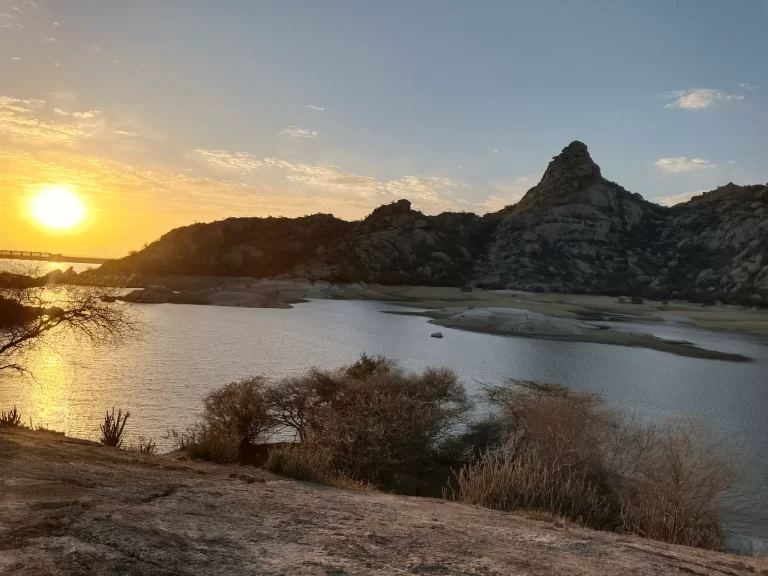
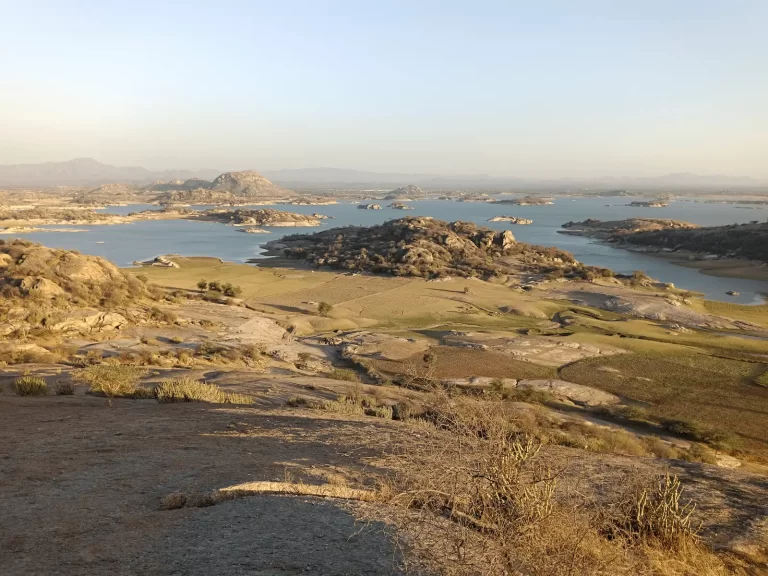
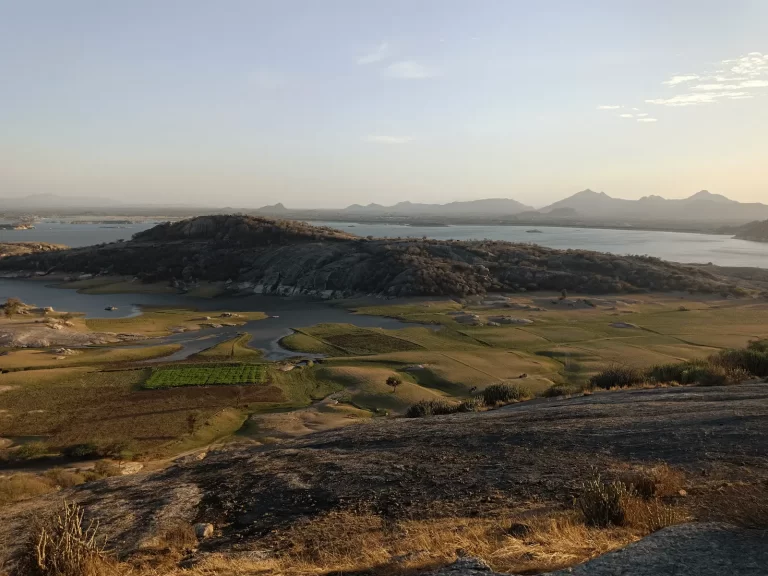
The coldest month of the year at Jawai. Pre-dawn and early-morning temperatures are genuinely cold, cold enough that a proper layered jacket, something to cover the ears, and gloves are worth packing rather than treating as excessive. By mid-morning the day warms into a comfortable range, and afternoons can feel mild and pleasant, but the swing from a 6am jeep departure to a warm midday is significant. This is also the month when the dam’s water level is typically at or near its lowest annual point, meaning maximum exposed granite and, correspondingly, some of the year’s strongest structural conditions for leopard visibility.
February
Still cold in the early mornings but easing gradually from January’s peak chill. Daytime temperatures are comfortable and pleasant, arguably the most balanced stretch of the whole year – cold enough at dawn to still need proper layers, warm enough by afternoon to enjoy without discomfort. Water levels remain low, keeping sighting conditions strong, and the dam’s migratory bird population is typically still near its winter peak through most of the month.
March
The first genuinely transitional month, moving away from winter’s cold mornings toward milder, more consistently comfortable conditions throughout the day. Layers can be lighter than the deep-winter months. Water levels continue their seasonal decline, keeping granite exposure and leopard visibility strong, while the migratory bird population begins thinning as species start their return migration north.
April
Early April remains comfortable and is often considered part of the shoulder season’s sweet spot; by the second half of the month, daytime heat begins climbing more noticeably, foreshadowing the summer conditions to come. Mornings are mild rather than cold, and by late April, sun protection and hydration start becoming a genuine daily consideration rather than an afterthought. Water levels are low and falling toward the annual minimum.
May
Serious heat arrives. Daytime temperatures climb into territory that requires real heat-management discipline – early starts, a protected midday indoors, and a second safari session timed to the cooler hours before dusk. This is one of the two hottest months of the year, and packing should shift entirely toward loose, breathable, sun-protective clothing rather than the layering approach that dominates winter packing lists. Water levels are typically at or approaching their lowest point of the year, concentrating wildlife activity around the shrinking water sources that remain.
June
The hottest stretch continues, often with the most intense heat of the entire year in its early-to-mid weeks before the first pre-monsoon changes begin. The same heat-management approach from May applies with even more discipline: early starts, strict avoidance of midday exposure, constant hydration. Toward the end of June, the first signs of the coming monsoon – rising humidity, occasional early cloud build-up – can begin to appear, though the pattern varies year to year.
July
Monsoon typically establishes itself this month, though the transition from June’s dry heat can be uneven in its opening weeks. Once rains settle in, temperatures moderate from the extremes of May and June, though humidity rises substantially, and rainfall itself becomes the main practical planning factor rather than heat. Sustained heavy rain can occasionally affect safari track conditions, so building some schedule flexibility into a July trip is sensible.
August
Monsoon in full swing, with the landscape now visibly greening and Jawai Bandh dam refilling steadily from its summer low. Rainfall tends to settle into a more predictable rhythm than July’s transitional opening weeks, and local guides and drivers plan around it with practised confidence. Humidity remains high; this is a warm, damp month rather than a hot, dry one, and clothing suited to both rain and warmth – rather than heavy layers or minimal summer wear – works best.
September
The tail end of monsoon, with rainfall typically easing through the month and the dam approaching its highest annual water level as the rains wind down. This is also the transition month when the very first migratory birds begin arriving at Jawai Bandh, a preview of the fuller winter population still to come. Temperatures moderate further as the month progresses, setting up the shift into the cooler conditions of October.
October
A genuine transition month between monsoon and winter. Early October can still carry some of monsoon’s warmth and humidity, with the dam still relatively full and the landscape holding its green cover a little longer than the months that follow. By late October, the shift toward drier, cooler conditions is well underway, and the season is visibly turning toward the classic winter pattern.
November
The cold-weather shift becomes unmistakable. Mornings turn properly cool, humidity drops noticeably, and the hills begin taking on the drier, more open look associated with the core winter months. Daytime temperatures remain comfortable and pleasant, marking November as one of the more balanced, easy months to visit before December’s colder mornings set in fully.
December
Along with January, one of the two coldest months of the year, with genuinely cold pre-dawn safari departures that require proper layering. Daytime temperatures remain comfortable, and this month also carries the year’s heaviest booking demand around the Christmas and New Year holiday period, adding a practical planning dimension on top of the weather itself.
How Safari Timing Shifts With the Climate
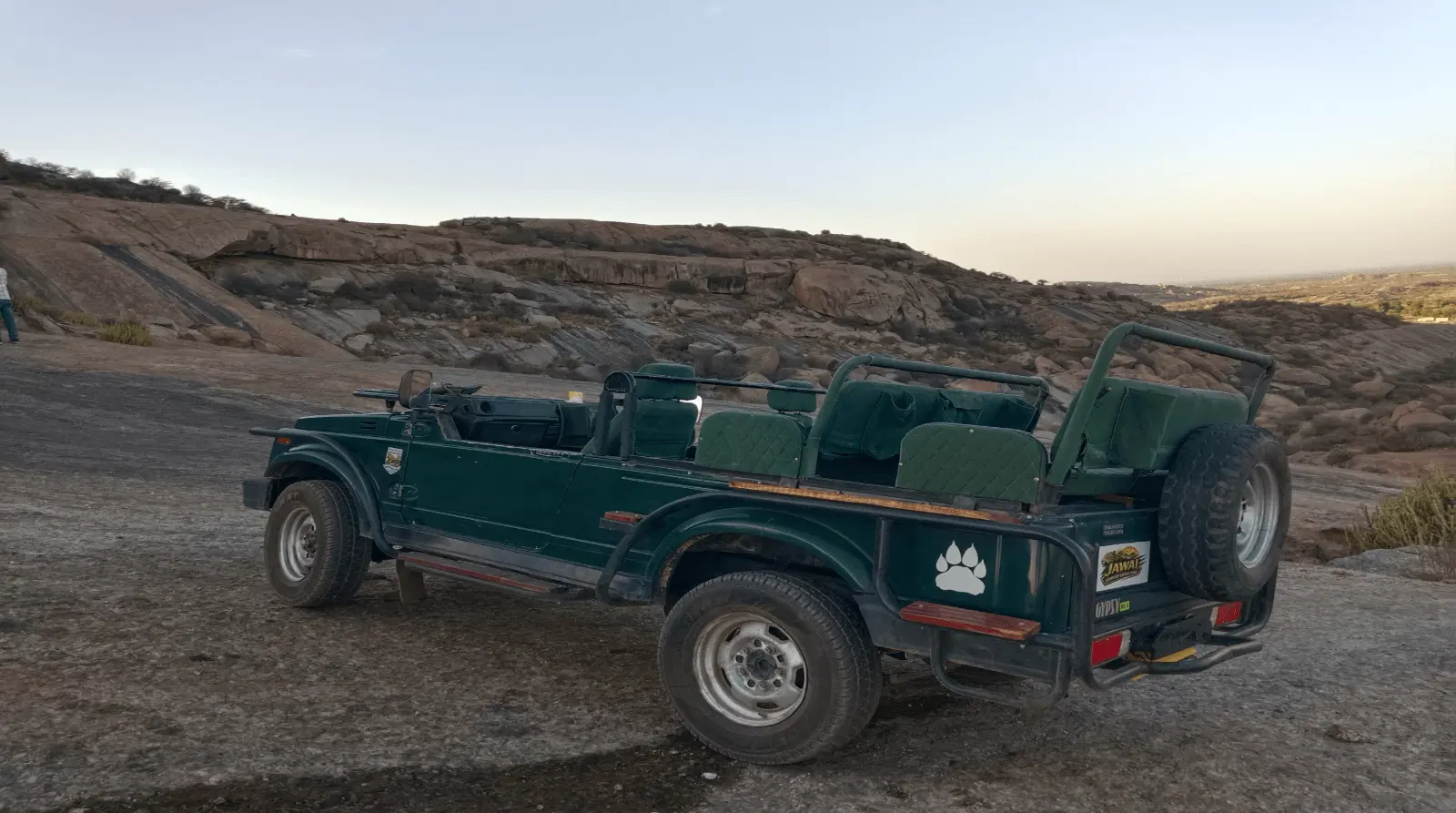
The daylight safari window is fixed year-round under the current Forest Department rules, running roughly from 6am to 7pm regardless of month – but what happens within that window shifts considerably with the climate. In the cold winter months, the actual departure time for a morning drive is often pushed slightly later than in summer, since the coldest, darkest hour before sunrise offers little practical benefit and considerable discomfort for guests in an open vehicle. In peak summer, the opposite logic applies: the morning drive typically starts as early as the daylight rules allow, in order to capture as much of the cool, active pre-heat window as possible before the punishing late-morning temperatures set in. Shoulder season and the monsoon months sit between these two extremes, with timing decisions made day to day based on actual conditions rather than a fixed seasonal rule.
Clothing and Packing by Temperature Band
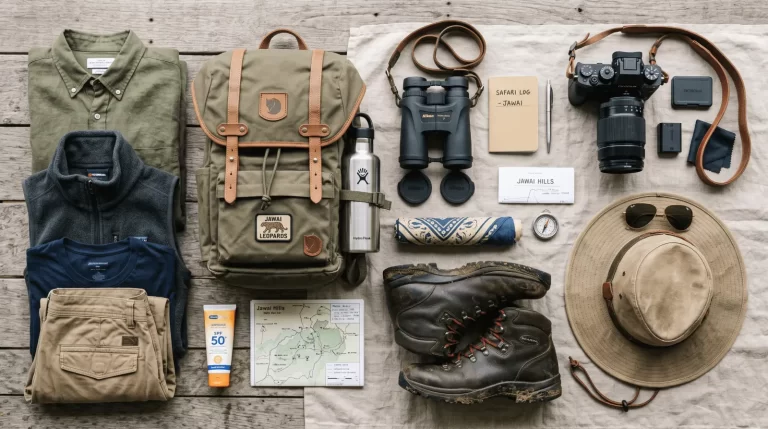
Rather than repeating month-specific packing notes throughout the guide above, it helps to think in three practical temperature bands. For the cold-mornings band – December, January, and to a lesser extent November and February – proper layering is the priority: a warm outer layer, something for hands and ears, and clothing that can be shed as the day warms toward a mild afternoon. For the hot-days band – April through June – the priority flips entirely toward loose, breathable, light-coloured, sun-protective clothing, a wide-brimmed hat, and a conscious hydration routine rather than layering. For the warm-and-humid band – July through September – lighter clothing that can handle both warmth and occasional rain works best, along with something waterproof for the vehicle transfers between accommodation and safari pickup points during active rain spells.
Humidity and Comfort Beyond Temperature
Raw temperature numbers do not tell the whole comfort story at Jawai. The dry winter cold of December and January feels different on the body than the dry heat of May and June, and both feel different again from the humid warmth of the monsoon months. Dry cold is manageable with layering and is often described by visitors as bracing rather than unpleasant, particularly once the sun is up. Dry heat in summer is the most demanding condition of the year and requires active management rather than simply “toughing it out.” Humid warmth in monsoon is generally the most tiring for people unused to it, even though the actual temperature reading may be lower than a summer afternoon, because humidity slows the body’s ability to cool itself. Factoring in humidity, not just the thermometer, gives a more accurate sense of how a given month will actually feel on the ground.
Reading This Guide Alongside the Seasonal Deep Dives
This month-by-month breakdown is deliberately focused on the practical climate detail – what to pack, how the day is structured around temperature, and how conditions shift from one month to the next. For the fuller picture of what each broader season means for sightings, crowds, and the overall experience, our dedicated winter, summer, monsoon, and shoulder season guides go into far more depth on those angles specifically. Use this page as the quick practical reference, and those as the deeper read for whichever window you are actually considering.
Message us on WhatsApp for current pricing and a quote tailored to your dates and group size.