Udaipur to Jawai Day Trip: What Fits in One Day and What Doesn’t
Can You Actually Do Jawai From Udaipur in a Day
Yes, and people do it regularly — but it’s worth understanding exactly what that day looks like before you commit to it, because a day trip from Udaipur to Jawai is a specific, fairly demanding shape of day, not a relaxed outing. The honest version: you will spend more hours in the car than at Jawai itself, you will get one safari, not two, and you need an early start with no room for a slow morning. If that trade-off works for your itinerary, this is a genuinely worthwhile day. If you have any flexibility at all to stay one night instead, we’d steer you there first — but if a day trip is what your schedule allows, here’s exactly how to make it count.
The Distance and Drive Time
Jawai sits roughly 130 to 150 kilometers from Udaipur, and the drive typically takes two and a half to three and a half hours depending on the exact route, time of day, and which part of Jawai you’re headed to. That range matters — it’s not a fixed number, and traffic through smaller towns along the way, road conditions, and your exact starting point in Udaipur can all shift it by thirty minutes or more in either direction. Build your day around the higher end of that estimate rather than the lower end, because arriving late costs you the one safari slot the whole day is built around.
Hour by Hour: A Realistic Day Trip
Here’s what a well-planned day trip actually looks like, timed around catching either the sunrise or sunset safari slot — the two windows worth building a day trip around, since midday safaris don’t happen and midday sightings are far less likely even where they’re permitted.
4:00-4:30am: Departure from Udaipur. This is an early start, and there’s no way around it if the goal is the sunrise safari — the best single wildlife window of the day, when the light is soft and the air is cool enough that leopard activity tends to be higher than in the heat that follows.
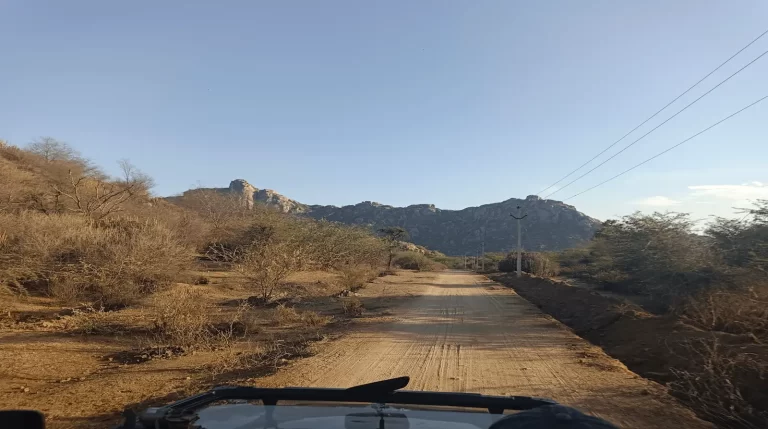
4:30-7:30am: The drive itself. Expect two and a half to three hours on the road in the dark and early dawn. This is not a scenic drive in the early hours — it’s a functional transfer, and most travelers use it to sleep.
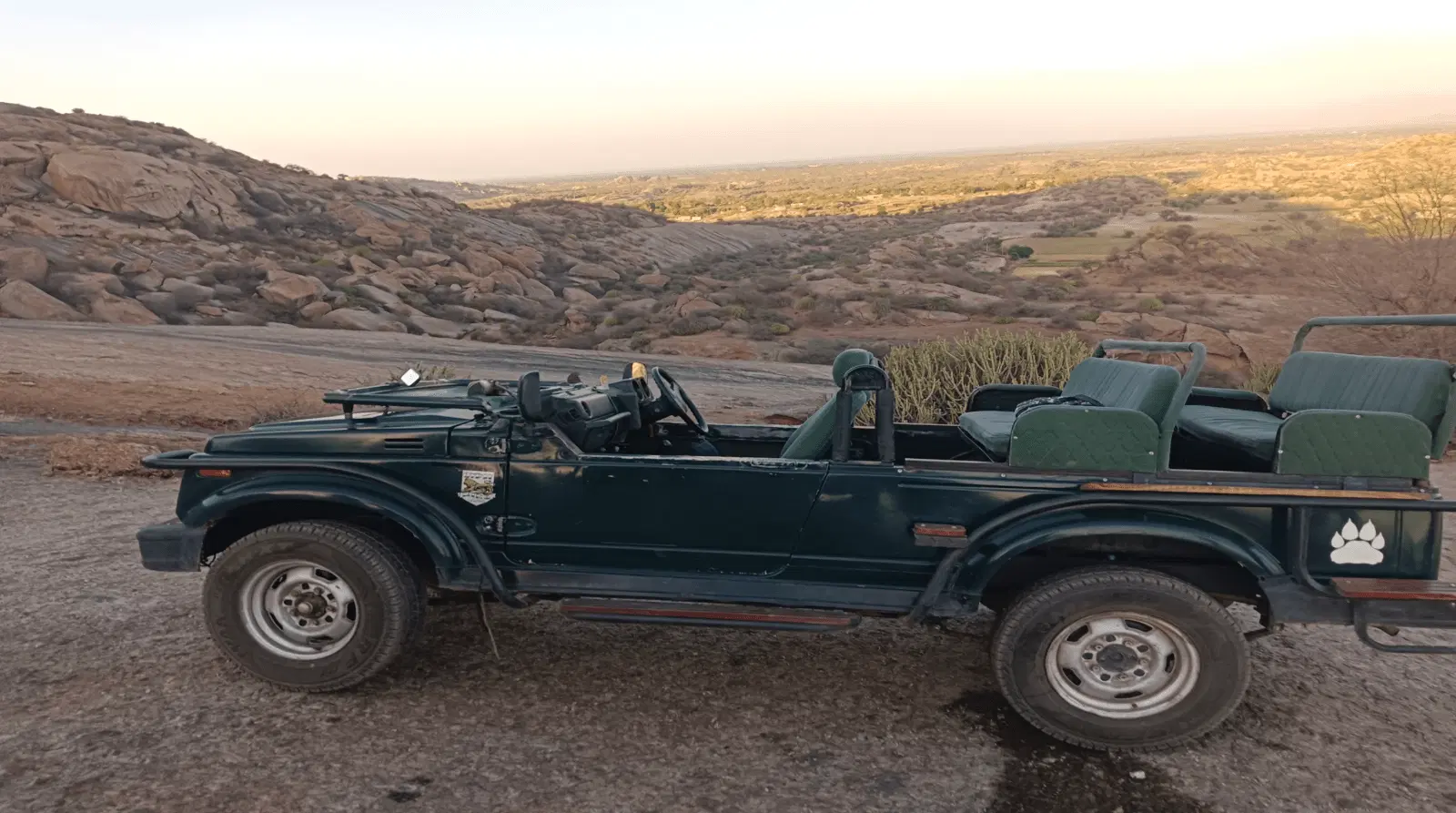
7:30-11:00am: The morning safari. Depending on exact arrival time, this may run slightly later than the ideal sunrise slot, which is one of the real costs of the day-trip structure — you’re compressing timing that would otherwise have more slack. The safari itself runs three to four hours across Jawai’s granite outcrops, with your registered, GPS-tracked vehicle covering the zones where sightings have been most consistent recently.
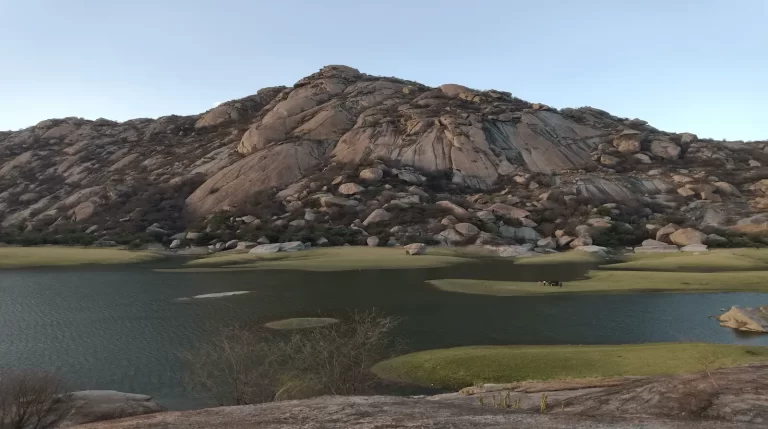
11:00am-1:00pm: A break. This is where a day trip either becomes worthwhile or starts to feel rushed, depending on how it’s used. A relaxed breakfast or lunch near the dam, a short visit to see the water and any birdlife present, or simply rest before the return journey. This window is also where a village walk can fit if timed well, though it competes directly with rest time after an early start.
1:00-2:00pm: Depending on your exact plan, either a second short activity or the start of the return drive. Most day trips from Udaipur do not fit in a second safari — the daylight-only rule and the drive time on both ends simply don’t leave room for it without an unreasonably long day.
2:00-5:30pm: The return drive to Udaipur, arriving mid-to-late afternoon. Traffic and heat both tend to be worse on this leg than the pre-dawn outbound drive, so build in buffer time here too.
This shape assumes a single safari built around sunrise. An alternative version flips the structure around an evening safari instead — departing Udaipur around midday, arriving at Jawai in the early afternoon, taking the sunset safari, and returning to Udaipur that night. Both versions work; which one suits you depends on whether you’d rather do the long drive in darkness or in daylight, and whether an early start or a late finish is the bigger problem for the rest of your trip.
What You Get and What You Don’t
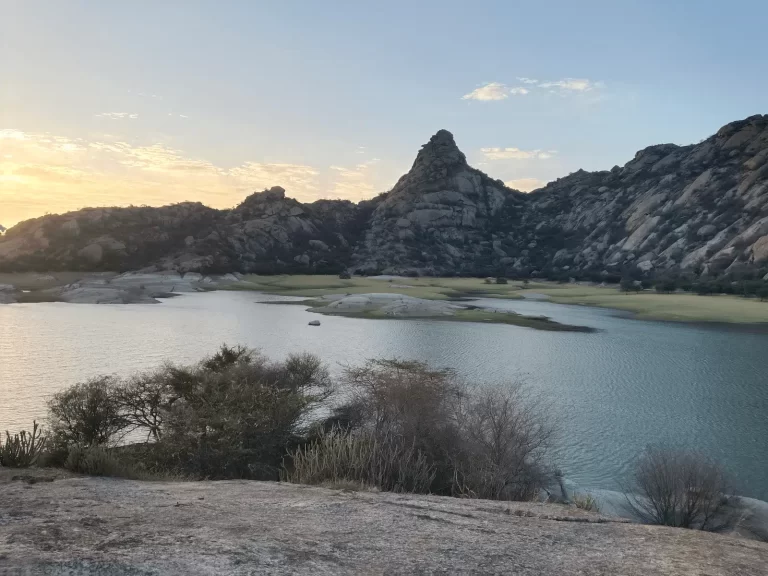
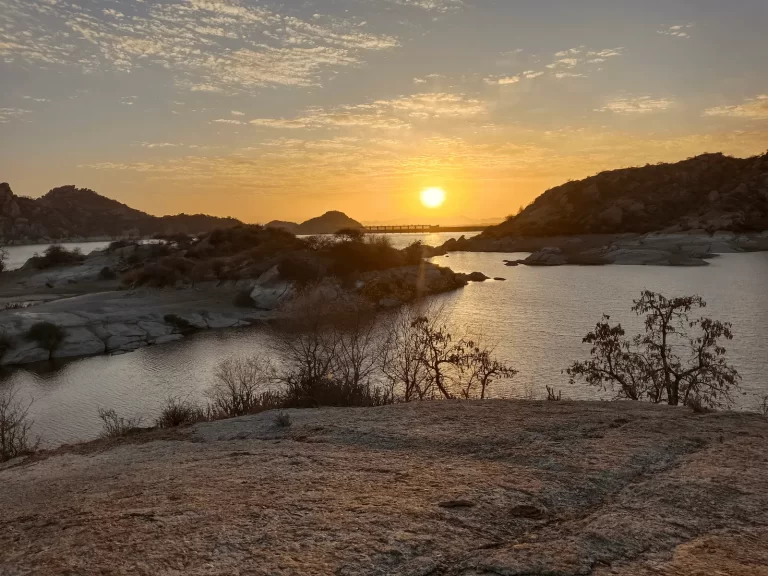
A day trip gets you one genuine safari attempt in Jawai’s landscape, a look at the dam if timing allows, and a real if brief sense of the terrain — the granite hills, the open ground where leopards rest in daylight, and the general shape of what makes this place different from a typical wildlife reserve. That’s not nothing, and for travelers with a genuinely tight Rajasthan schedule, it’s a legitimate way to include Jawai rather than skip it entirely.
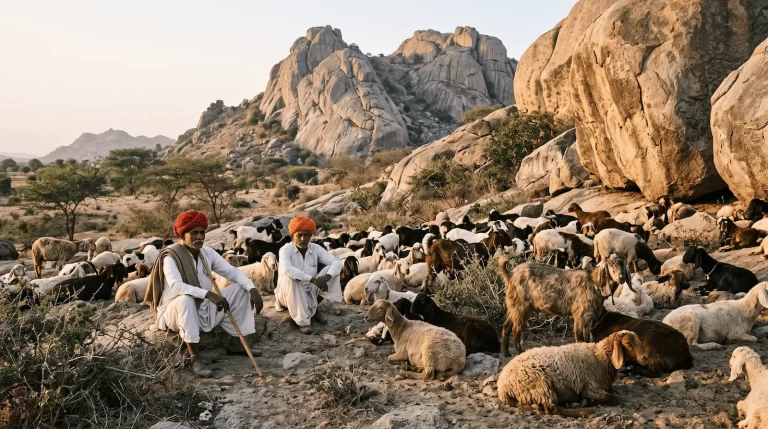
What you don’t get is a second safari attempt, meaningful time at the village or with the Rabari community, or any slack if the one safari you do get turns out to be quiet. Sighting odds in Jawai are relatively good compared to dense-forest reserves, because leopards here spend real time resting in the open — but “relatively good” is not a guarantee on any single outing, and a day trip gives you exactly one roll of that dice rather than the two or three you’d get from an overnight stay. We’ll never tell you a day trip guarantees a sighting, because it doesn’t, and neither would an honest operator running any single safari.
Who a Day Trip Actually Suits
This works best for travelers on a genuinely fixed, tight Rajasthan schedule who would otherwise skip Jawai altogether — seeing it once, imperfectly, beats not seeing it at all if that’s the real choice in front of you. It also suits travelers who have already stayed in Jawai on a previous trip and want a shorter return visit without committing another full overnight. It works less well for first-time visitors who have any flexibility to add a night, for photography-focused travelers who benefit enormously from multiple light conditions across different times of day, and for families with young children, for whom the very early start and long return drive can make for a rough day.
Making the Early Start Work
If you’re doing the sunrise version of this day trip, a few practical points make a real difference. Pack the night before — there’s no time for a leisurely morning routine at 4am. Eat something small before departure rather than waiting for the break after the safari, since that stretch is longer than it sounds when you’re running on an early start. Dress in layers; pre-dawn departures from Udaipur can be genuinely cold even though the day will warm up quickly once the sun is up. And confirm pickup timing and location the night before rather than the morning of — a mix-up at 4am costs you time you don’t have to spare.
Alternatives Worth Considering
If your schedule has even a small amount of give, a single overnight stay in Jawai changes the math substantially — you gain a second safari, remove the pressure of a single-shot sunrise or sunset window, and get genuine time at the dam or in a village without racing the clock. We’ve laid out the full comparison between a day trip and an overnight stay in a separate guide, because it’s a close call for some travelers and a clear one for others, and it deserves more than a quick recommendation.
If Jawai is one stop on a longer Rajasthan circuit that also includes Ranakpur and Kumbhalgarh, it’s worth checking whether a two-night stay in Jawai with those two sites worked in around it actually costs you less overall driving than a separate day trip plus a separate Ranakpur-Kumbhalgarh excursion from Udaipur. Often it does.
What the Season Changes About This Day
The month you travel shifts this day trip more than most people expect. Between roughly October and March, mornings are cool enough that the pre-dawn departure and early safari are genuinely pleasant rather than something to endure, and the dam typically holds more water, which means more migratory birds during your midday break. Summer day trips are still doable, but the heat by late morning is a real factor — the drive back in an un-air-conditioned wait or a delayed pickup is a different experience at 43 degrees than at 25. Monsoon months bring their own variable: roads can be slower and safari timings occasionally shift around weather, which is one more reason to build buffer into a single-day plan rather than cutting it close.
Traffic and Road Realities Along the Route
The route from Udaipur to Jawai passes through a mix of highway and smaller district roads, and the driving experience is not uniform along the way. Early sections out of Udaipur can be slow simply due to local traffic before the road opens up, while the final stretch into the Jawai area often narrows and slows regardless of the hour. None of this is unusual for regional Rajasthan travel, but it’s worth knowing that the two and a half to three and a half hour estimate already accounts for this — it is not a highway-speed calculation that then gets blown up by unexpected slow patches. Treat the upper end of the range as the likely reality rather than the worst case.
How We Help
We arrange day trips from Udaipur with committee-registered, GPS-tracked safari operators, coordinating the transfer timing so you get the strongest realistic shot at your one safari slot rather than losing time to an avoidable delay. If you tell us your dates and what else is on your Rajasthan itinerary, we’ll give you a straight read on whether a day trip or an overnight stay makes more sense for your specific situation. Message us on WhatsApp for current pricing and a quote tailored to your dates and group size.