Jawai + Ranakpur + Kumbhalgarh: The Circuit We Recommend Most
The Circuit We Recommend Most Often
If you ask us for one combination that consistently works better than almost anything else travelers try to build around Jawai, it’s this one: Jawai, Ranakpur, and Kumbhalgarh, taken together as a single loop. The three places sit close enough to each other that combining them barely adds driving time compared to visiting any one in isolation, and they complement each other in a way that few Rajasthan combinations manage — wildlife and open granite landscape at Jawai, extraordinary marble temple architecture at Ranakpur, and one of India’s most imposing hilltop forts at Kumbhalgarh. This guide lays out exactly how the geography works, how to sequence the three stops, and what a realistic multi-day version of this circuit actually looks like.
The Geography That Makes This Work
Ranakpur sits roughly 48 to 50 kilometers from Jawai, about an hour’s drive. Kumbhalgarh is a little further, roughly 70 to 85 kilometers from Jawai, typically an hour to an hour and a half. Crucially, Ranakpur and Kumbhalgarh are also close to each other — the two are commonly visited back to back on the same day by travelers who aren’t even including Jawai in their plans. This proximity is what makes the three-way combination so efficient: you’re not adding three separate long drives to your itinerary, you’re linking three stops that already sit within a fairly compact triangle in the hills between Udaipur and the Jawai-Bera region.
This triangle also sits conveniently along the natural route between Udaipur and Jodhpur, which means travelers doing the broader Udaipur-Jawai-Jodhpur leg of a Rajasthan trip can fold Ranakpur and Kumbhalgarh into that route without a significant detour. For travelers based in Udaipur specifically, all three points are reachable as a loop that starts and ends there, which is one reason this circuit is especially popular among people using Udaipur as their base for a few days before continuing on.
What Each Stop Actually Offers
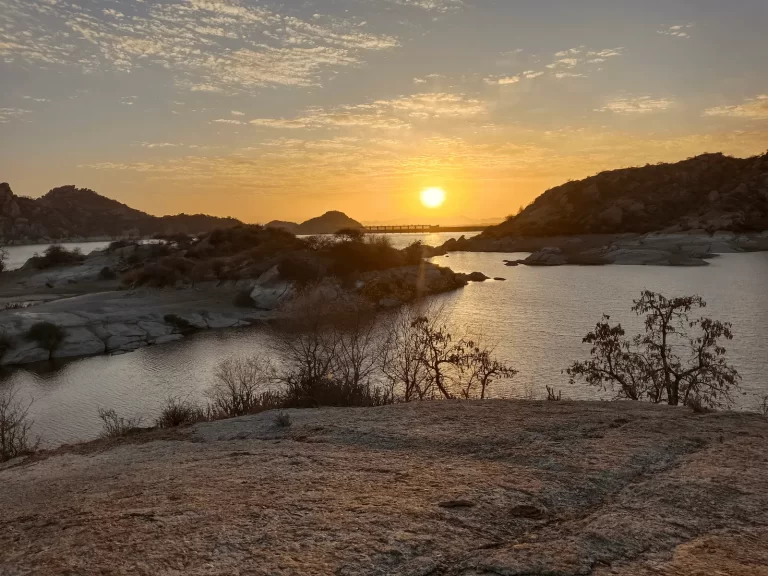
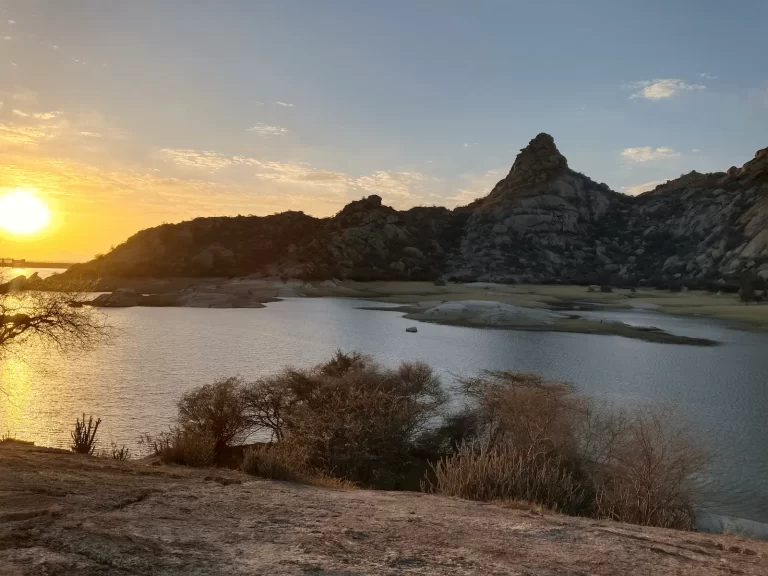
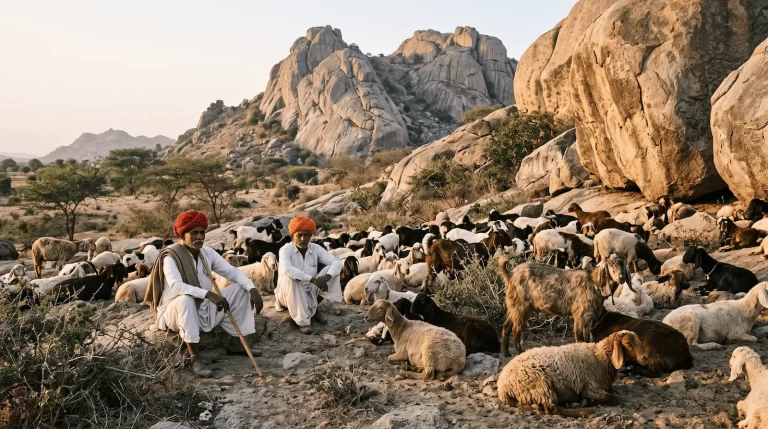
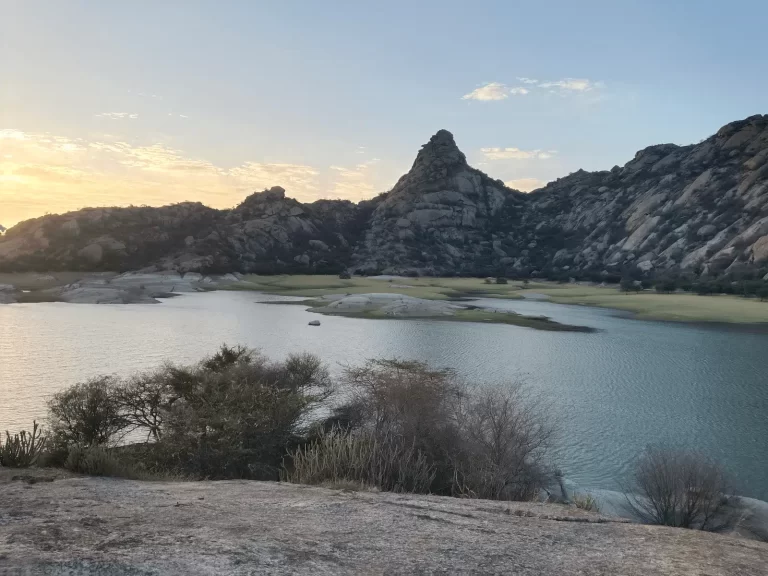
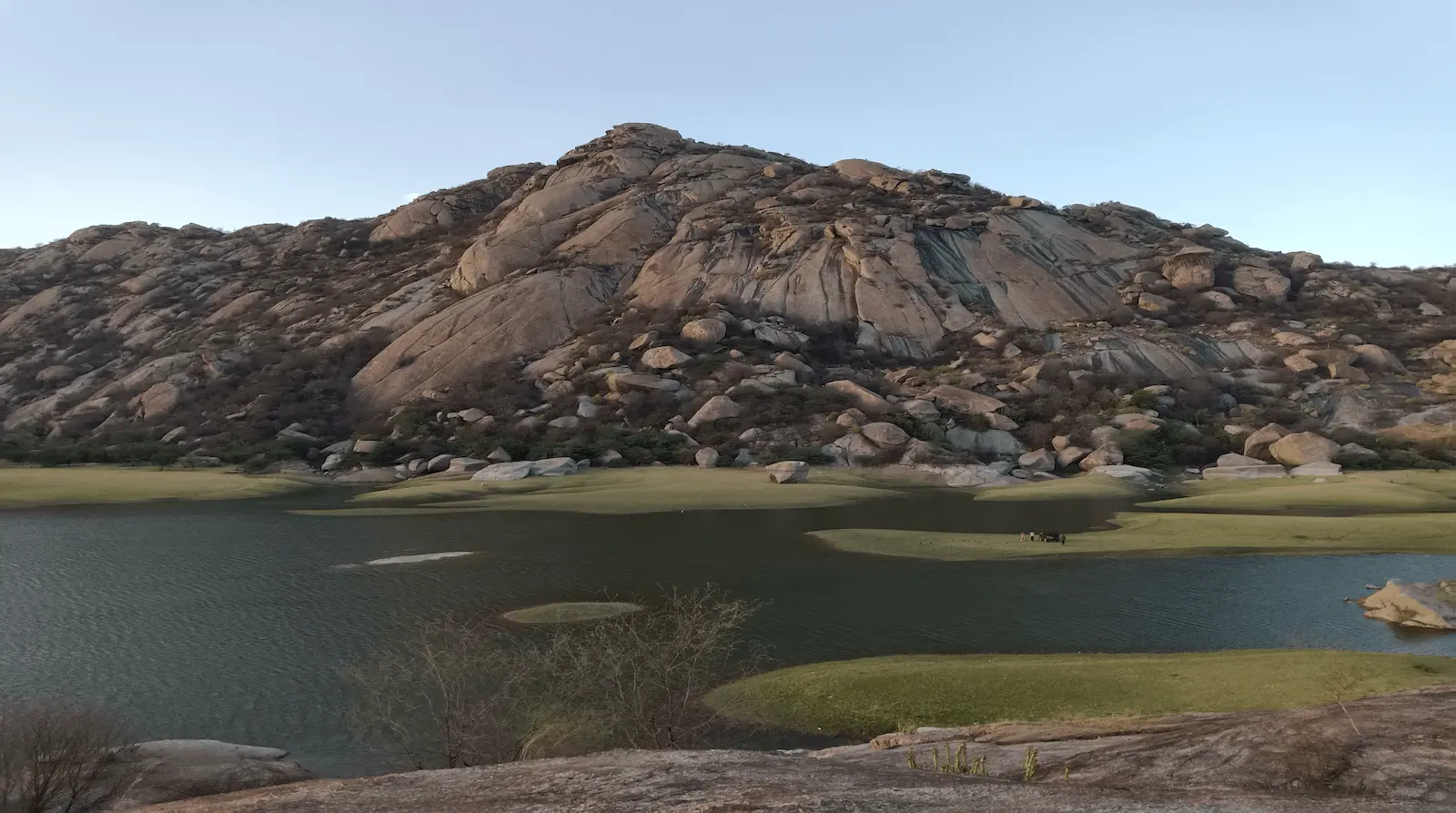
Jawai is the wildlife and landscape anchor of the circuit — granite hills dotted with leopard territory, a working dam that draws migratory birds and shelters crocodiles, and Rabari herding communities whose daily life and grazing routes share the same ground as the leopards. It’s the stop that rewards the most time, and the one this circuit should be built around rather than squeezed in as an afterthought to the temples and the fort.
Ranakpur is centered on its marble Jain temple complex, widely regarded as one of the finest examples of Jain temple architecture in India — an intricate structure of carved marble pillars, said to number over a thousand, with no two carved exactly alike. It’s a place that rewards a few unhurried hours rather than a rushed half-hour stop, both for the architecture itself and for the quiet, contemplative atmosphere the complex is known for.
Kumbhalgarh is built around its hilltop fort, famous above all for its massive perimeter wall, one of the longest fortification walls in the world, snaking for many kilometers along the ridgeline of the surrounding hills. The fort itself has real historical weight as a Mewar stronghold, and the drive up to it and the views from its ramparts are worth the time on their own account, independent of the history.
How to Sequence the Three Stops
The most common and generally most efficient sequencing, especially for travelers coming from Udaipur, is Udaipur to Kumbhalgarh, then Kumbhalgarh to Ranakpur, then Ranakpur to Jawai, spending your remaining nights in Jawai before continuing on toward Jodhpur or back to Udaipur. This sequencing front-loads the two shorter, more self-contained stops — the fort and the temple, both of which are typically half-day visits — before settling into Jawai, where the whole point is to slow down rather than keep moving.
An alternative sequence reverses this: start in Jawai, spend your two nights there first, then visit Ranakpur and Kumbhalgarh on the way out toward Udaipur, treating them as a scenic, culturally rich final leg rather than a warm-up. Both sequences work; the choice mostly comes down to whether you’d rather ease into the trip with temple and fort visits before the wildlife-focused days, or start with Jawai while you’re freshest and use the temple and fort as a lower-key wind-down before returning to city travel.
What we’d caution against is trying to visit Ranakpur and Kumbhalgarh as rushed stops squeezed into the same day as your Jawai transfer. It’s tempting to think you can tick off all three in a single long driving day, and technically you can, but it turns what should be a rich multi-stop circuit into an exhausting marathon where none of the three places gets a fair amount of your attention. If your schedule can spare it, give the temple and fort at least a half day each, ideally as a separate day from your Jawai transfer rather than stacked onto it.
A Realistic Multi-Day Version of This Circuit
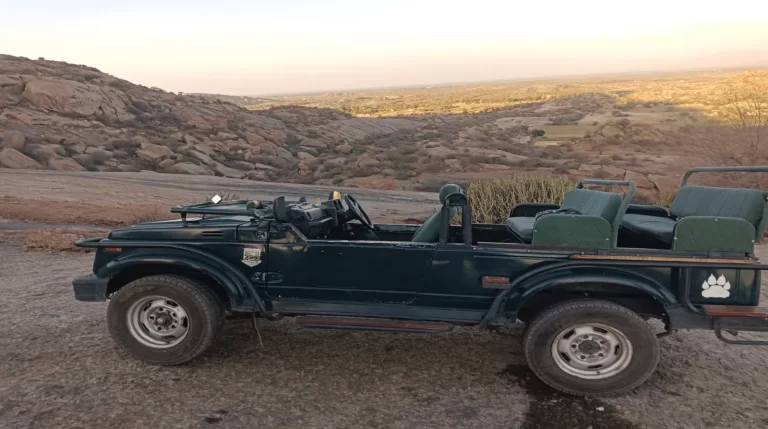
Here’s a shape that works well for most travelers with four to five days to give the wider Udaipur area, Ranakpur, Kumbhalgarh, and Jawai together. Day one: depart Udaipur, visit Kumbhalgarh in the late morning and early afternoon, continue to Ranakpur in the late afternoon, and overnight somewhere near Ranakpur or push on toward Jawai depending on timing. Day two: arrive in Jawai, settle in, and take your first evening safari. Day three: sunrise safari, a midday visit to the dam or a village walk, and a second evening safari. Day four: a flexible morning — a third safari if you want one, or a slower start — before the transfer onward to Jodhpur or back to Udaipur.
This is a realistic four-day version, but the circuit scales down reasonably well too. A tighter three-day version compresses Ranakpur and Kumbhalgarh into a single, longer first day and gives Jawai a single overnight with two safaris rather than three. It’s a busier itinerary but still delivers all three stops without cutting any of them out entirely.
Why This Combination Beats Doing Jawai Alone
Plenty of travelers ask whether it’s worth the extra planning to add Ranakpur and Kumbhalgarh rather than simply focusing on Jawai and moving on. The honest answer is that the marginal cost of adding both is genuinely low relative to what they add, precisely because of how close together the three places sit. You are not choosing between “just Jawai” and “a much longer, more complicated trip” — you’re choosing between “just Jawai” and “Jawai plus two of the most distinctive architectural sites in this part of Rajasthan, for perhaps one additional day of driving, most of which you’d likely be doing anyway between Udaipur and Jawai.” For most travelers building a Rajasthan itinerary that includes Udaipur, this combination is close to a default rather than an optional add-on.
Practical Notes for This Circuit
A few practical points make this circuit run more smoothly. Kumbhalgarh’s fort involves a genuine amount of walking on uneven stone surfaces, so comfortable footwear matters more here than almost anywhere else on a typical Rajasthan itinerary. Ranakpur’s temple complex has modest dress requirements common to active religious sites in India — shoulders and knees covered, and footwear removed before entering certain areas — so plan your clothing for that day accordingly. And because all three stops involve meaningful driving between them, treat this as a circuit best done with a private vehicle and driver arranged for the whole loop, rather than trying to coordinate separate transport for each leg.
Photography Considerations Across the Three Stops
Each of these three places rewards a different kind of photography, and it is worth planning your time with that in mind rather than treating all three the same way. Kumbhalgarh’s wall and ramparts are best photographed in the softer light of early morning or late afternoon, when the stone catches warm light and the long wall is visible stretching across the ridgelines without the flat glare of midday sun. Ranakpur’s marble interior is a different challenge entirely — indoor, intricately carved, and dependent on the natural light filtering through the temple’s many pillars and openings, which shifts meaningfully through the day. Jawai, as covered in more detail elsewhere on this site, rewards the same sunrise and sunset windows that make its safaris more productive for sightings, so if photography is a real priority across the whole circuit, sequencing your days so you are not rushing any of the three golden-hour windows is worth the extra planning.
How This Circuit Fits a Broader Rajasthan Trip
For travelers whose trip extends beyond this triangle, this circuit slots naturally into a longer route that might also include Udaipur’s palaces and lakes, Jodhpur’s fort and old city, and potentially Jaipur further on. Because Jawai sits almost exactly between Udaipur and Jodhpur, and Ranakpur and Kumbhalgarh sit just off that same corridor, this entire circuit can be absorbed into a Udaipur-to-Jodhpur leg of a wider trip without requiring a separate detour or backtrack. This is one of the more efficient ways to see four distinctive sites — two forts and temples’ worth of Rajasthan heritage, plus a genuinely different wildlife and landscape experience — within the natural flow of a trip most travelers are already planning, rather than requiring a special side trip that competes with the rest of the itinerary for time.
How We Help Put This Together
We arrange this circuit as a single coordinated trip rather than three separate bookings — the drive and stops at Kumbhalgarh and Ranakpur, the transfer into Jawai, the stay arrangement, and the safaris with committee-registered, GPS-tracked operators once you’re there. We’ll sequence the days based on your total available time and where you’re starting from, and we’ll tell you honestly if a version of this circuit you’re considering is too tightly packed for the days you have. Message us on WhatsApp for current pricing and a quote tailored to your dates and group size.