Jawai + Ranthambore: Combining India’s Two Best Cat Safaris
Two of India’s Best Cat Safaris, One Itinerary
Jawai and Ranthambore are, in different ways, two of the most compelling wildlife destinations in India — Jawai for its open granite landscape where leopards rest in daylight alongside grazing Rabari herds, and Ranthambore for its dense forest and famously visible tigers, among the best odds anywhere in the world for a genuine tiger sighting. Combining the two into a single itinerary is a real and worthwhile idea, and increasingly a popular one — but it is not a casual add-on, and it deserves an honest treatment of exactly what it takes to do properly, rather than a breezy “just add Ranthambore” suggestion that ignores the geography involved.
The Distance Problem, Stated Plainly
Ranthambore is genuinely far from Jawai — somewhere in the range of 430 to 460 kilometers, which typically means seven to eight hours or more of driving in a single stretch, and that’s before accounting for stops, traffic, or road conditions along the way. This is a fundamentally different proposition from combining Jawai with Ranakpur or Kumbhalgarh, both under an hour and a half away. Ranthambore is not a short detour off a Jawai trip; it’s a separate leg of a journey that needs its own dedicated travel time.
Because of this distance, combining the two destinations directly — driving straight from one to the other — is rarely the sensible approach. Almost every workable version of this combination stages the journey through Jaipur, which sits roughly in between the two in a practical sense (even if not exactly on a straight line) and offers better road and rail connections than attempting a single marathon drive. Jaipur also happens to be a worthwhile stop in its own right for most travelers, which softens the cost of routing through it rather than treating it as pure dead time.
What This Combination Actually Requires
Given the distances involved, combining Jawai and Ranthambore properly is a multi-stop undertaking that suits travelers with genuinely generous time for the Rajasthan portion of their trip — realistically ten days or more, once you account for both wildlife destinations getting the time they deserve, plus the connecting travel between them. This isn’t a trip you bolt onto a five-day Rajasthan visit without cutting something significant elsewhere.
A realistic version of this combined itinerary might look like this: two to three nights in Jawai for the safari and landscape experience described throughout this site, travel via Jaipur (whether by road or a combination of road and rail, with a night or two in Jaipur itself to break up the journey and see the city), and then two to three nights at Ranthambore for the tiger safaris there, which — like Jawai — benefit from multiple attempts across different times of day rather than a single drive. Add reasonable transfer days between each leg, and you’re looking at a minimum of seven to eight days purely for this combination, before factoring in Udaipur, Jodhpur, or any other stops on the wider trip.
Why the Two Destinations Are Genuinely Complementary
It’s worth being specific about why this combination is worth the logistics for the right traveler, rather than just noting that both destinations involve wildlife. Jawai and Ranthambore offer meaningfully different experiences of Indian wildlife, and seeing both gives you a far more complete picture than either alone.
Ranthambore is dense dry-deciduous forest, ruins of an old fort woven through the landscape, and tigers as the headline animal — genuinely one of the best places on earth to see a wild tiger, with sighting odds that are well established and widely documented. The safari experience there is more classically “jungle safari” in feel: forest tracks, denser vegetation, and a sense of searching through cover for an animal that can disappear into it easily.
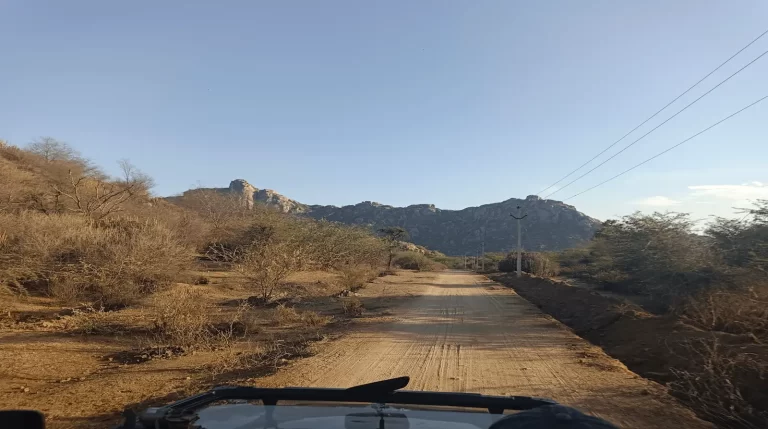
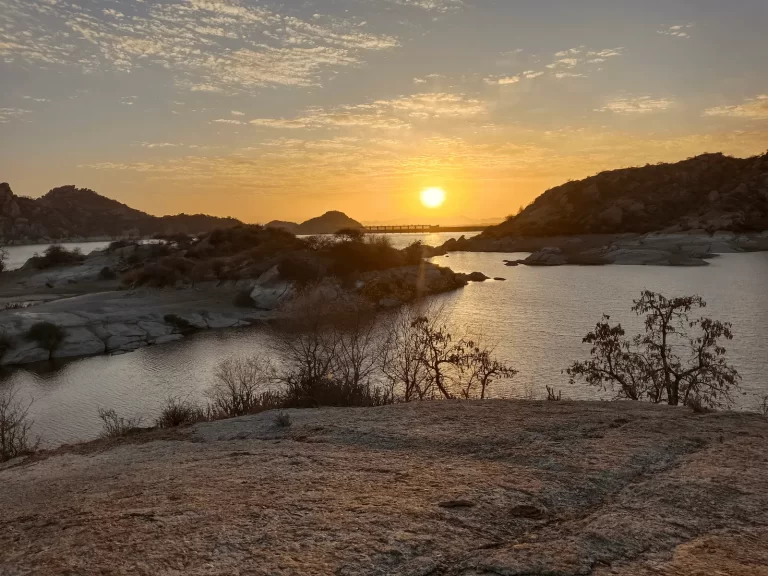
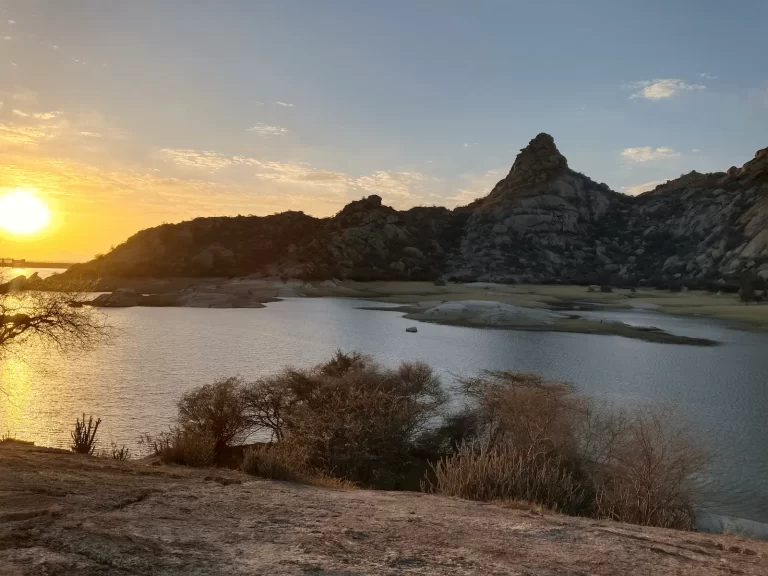
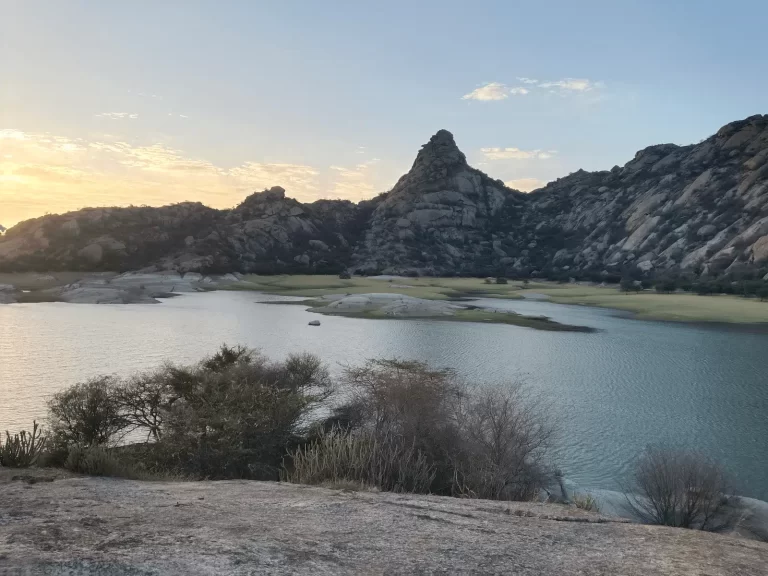
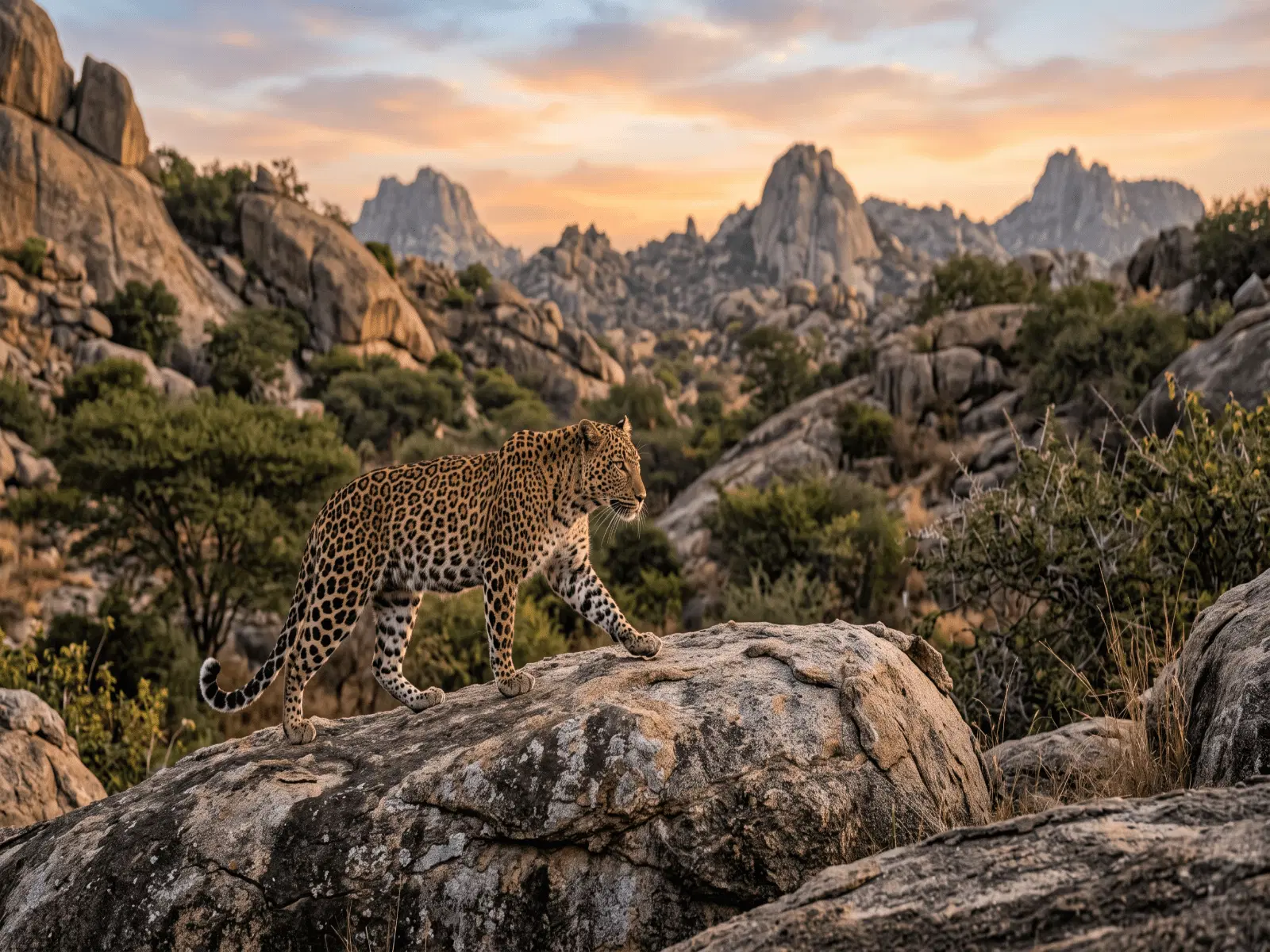
Jawai is almost the opposite kind of landscape — open granite hills with minimal tree cover, where visibility is often excellent and leopards spend real daylight hours resting in the open rather than hidden in dense growth. It’s also a landscape defined as much by its human element as its wildlife: Rabari shepherds, camels, and a working dam that draws migratory birds, all sharing the same ground as the leopards without the sense of separation between “wildlife area” and “inhabited area” that’s more typical of a classic reserve like Ranthambore. Combining the two gives you both classic Indian tiger-forest safari and something genuinely unusual — a landscape where predator and pastoral community coexist in plain view.
Sequencing: Which One First
There’s no fixed rule for which destination should come first, and the honest answer depends mostly on your overall route into and out of Rajasthan. If you’re flying into Jodhpur or Udaipur, it usually makes sense to start with Jawai, since both cities sit close to it, then travel via Jaipur toward Ranthambore before flying out from Jaipur or Delhi at the end of the trip. If your entry and exit points are reversed, the sequence flips accordingly. What matters more than the direction is making sure Jaipur gets genuine standing time as a connecting stop rather than being treated purely as a pass-through, since the drive segments on either side of it are long enough that arriving exhausted and immediately pushing on is a rough way to travel.
Realistic Expectations for Both Safaris
Neither destination offers guaranteed sightings, and it’s worth saying that plainly for both halves of this combination. Ranthambore has strong, well-documented tiger sighting rates, particularly in certain zones and seasons, but “strong odds” is not “certain,” and a quiet drive is always possible. Jawai’s leopards are unusually visible by the standards of Indian wildlife safaris, resting in the open where dense-forest species rarely would, but the same honest caveat applies — no single drive, in either location, is ever a sure thing. Building multiple safari attempts into your time at both destinations, rather than relying on a single drive at each, is the best way to give yourself a realistic shot at strong sightings across the whole trip.
Is This Combination Right for Your Trip
This combination suits travelers who have genuinely decided that wildlife is a central focus of their India trip, rather than one stop among many equally weighted priorities, and who have the time — realistically ten days or more for this portion of a Rajasthan itinerary — to give both destinations a fair visit rather than rushing either one. For travelers with a shorter overall trip who are choosing between the two rather than combining them, we’d point you toward a straightforward comparison of what each destination offers rather than trying to force both into a trip that can’t comfortably hold them. Cramming both into a short window generally means shortchanging one or both, which defeats the point of visiting either.
What the Journey Between Them Actually Involves
It is worth walking through the connecting journey itself, since it is the part of this combination most likely to be underestimated. From Jawai, reaching Jaipur typically means several hours of driving, often five to six hours depending on your exact route and starting point within the Jawai area. From Jaipur to Ranthambore, the connection is considerably shorter and more straightforward, commonly done by road in a few hours or by train, since Sawai Madhopur, the town serving Ranthambore, sits on a well-served rail line. This means the Jaipur leg functions as a genuine hinge point in the trip: a longer, harder push to get there from Jawai, followed by an easier, shorter connection onward to Ranthambore. Planning at least one night in Jaipur at this hinge point, rather than trying to push through in a single very long day, makes the whole combination considerably more comfortable.
Budgeting Time Honestly Across the Whole Trip
Travelers sometimes approach this combination by allocating time to each wildlife destination first and treating the connecting travel as an afterthought, which tends to produce itineraries that look fine on paper but feel rushed in practice. A better approach is to budget the connecting days first — realistically a night in Jaipur and the better part of two travel days moving between the three points — and then see how many days remain for actual time at Jawai and Ranthambore themselves. If that remaining time doesn’t comfortably support at least two nights at each wildlife destination, the itinerary is likely too compressed, and it’s worth either extending the total trip or reconsidering whether this combination is the right fit for the time available.
How We Help Plan This
We arrange the Jawai portion of this combination directly — safaris with committee-registered, GPS-tracked operators, transfers, and stay coordination — and we can help you think through the sequencing, Jaipur connection, and overall pacing of a combined Jawai-Ranthambore trip even where the Ranthambore logistics themselves sit outside our direct arrangement. If you’re seriously considering this combination, tell us your total available days and entry and exit points, and we’ll give you a straight read on whether the itinerary is realistic or needs adjusting. Message us on WhatsApp for current pricing and a quote tailored to your dates and group size.