Jawai with Kids: What Works, What to Skip and How to Pace It
Can Jawai Work for a Family Trip
Yes, and it can work well — but it takes more deliberate planning than an adults-only trip, and the honest version of this guide includes what to skip as much as what to include. Jawai isn’t a destination built around children’s activities, and it doesn’t pretend to be. What it offers families is a genuinely different kind of experience from a typical resort holiday: real wildlife, open landscape, and a slower pace that can either delight or challenge kids depending on their age and temperament. This guide covers what actually works, what to realistically skip, and how to pace the days so the trip suits your children rather than fighting against their limits.
What Age Groups This Suits Best
Jawai tends to work best for children roughly seven and older, who can sit through a several-hour safari drive with genuine interest rather than restlessness, and who can appreciate the wait-and-watch nature of wildlife spotting without needing constant activity. Younger children can absolutely visit, and families do it successfully, but the safari format specifically — long stretches of quiet observation punctuated by moments of activity — asks more patience of a very young child than it does of an older one. If you’re traveling with toddlers or very young children, it’s worth planning around shorter safari sessions and building in more flexibility than a family with older kids would need.
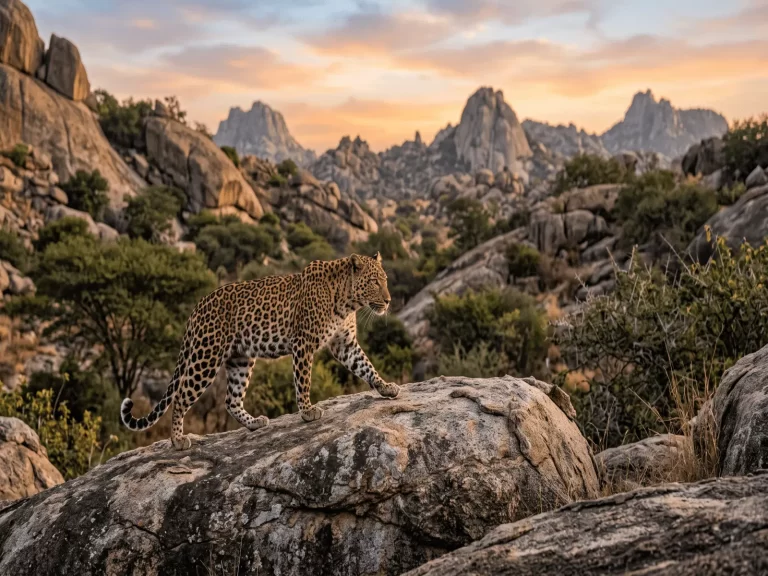
Teenagers, particularly ones with any interest in photography, wildlife, or landscape, tend to get as much out of Jawai as adults do, and the open, visible nature of the leopards here — resting on granite boulders in daylight rather than hidden in dense forest — gives them a much better chance of an engaging, memorable sighting than a typical dense-forest safari would.
Pacing the Safari Schedule Around Kids
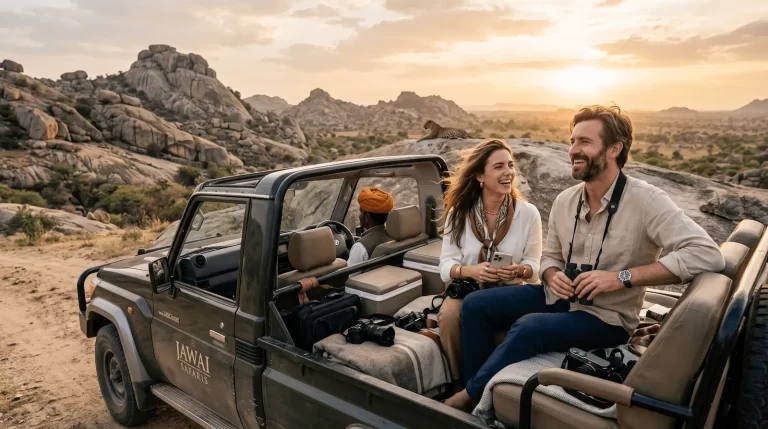
The single biggest adjustment for a family trip is safari timing. The ideal sunrise safari requires a pre-dawn departure, often before 6am, which is a genuinely difficult ask for young children who are used to a normal sleep schedule, and pushing through it without adequate rest tends to produce a cranky, disengaged child rather than an excited one. Families often do better prioritizing the sunset safari over the sunrise one, at least for the days involving younger kids, since it doesn’t require disrupting a full night’s sleep and still catches excellent light and leopard activity as the day cools.
If you do want to include a sunrise safari, consider treating it as an optional outing for one parent rather than a mandatory activity for the whole family, particularly if you have very young children whose sleep schedule matters more to the rest of the trip’s success than one additional safari attempt does. There’s no rule that every family member has to do every safari — splitting up occasionally, with one adult taking a child who needs the rest and the other going out for the early drive, is a completely reasonable way to manage a multi-day stay.
Safari length itself is also worth managing directly. A full three-to-four-hour drive is a long stretch for a young child to sit through, however interesting the landscape. Discuss realistic timing with whoever arranges your safari, and don’t be afraid to ask about shorter sessions if a full-length drive isn’t realistic for your children’s attention span.
What Actually Holds Kids’ Attention
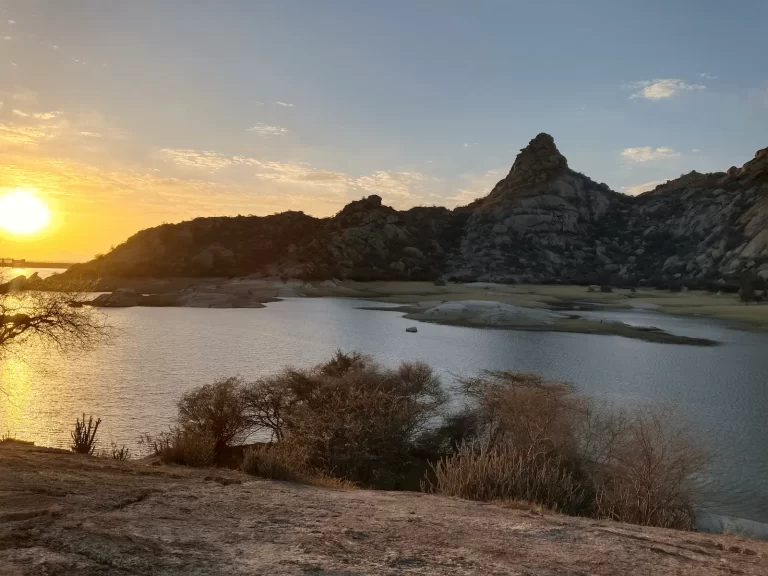
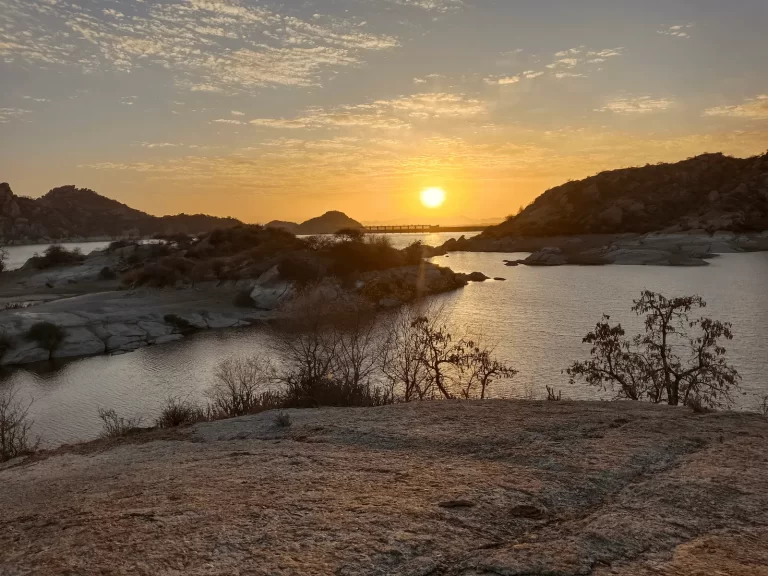
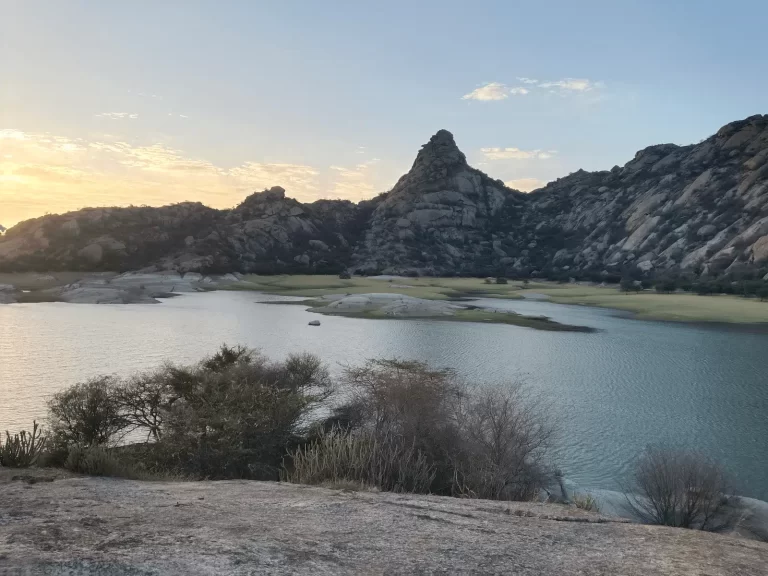
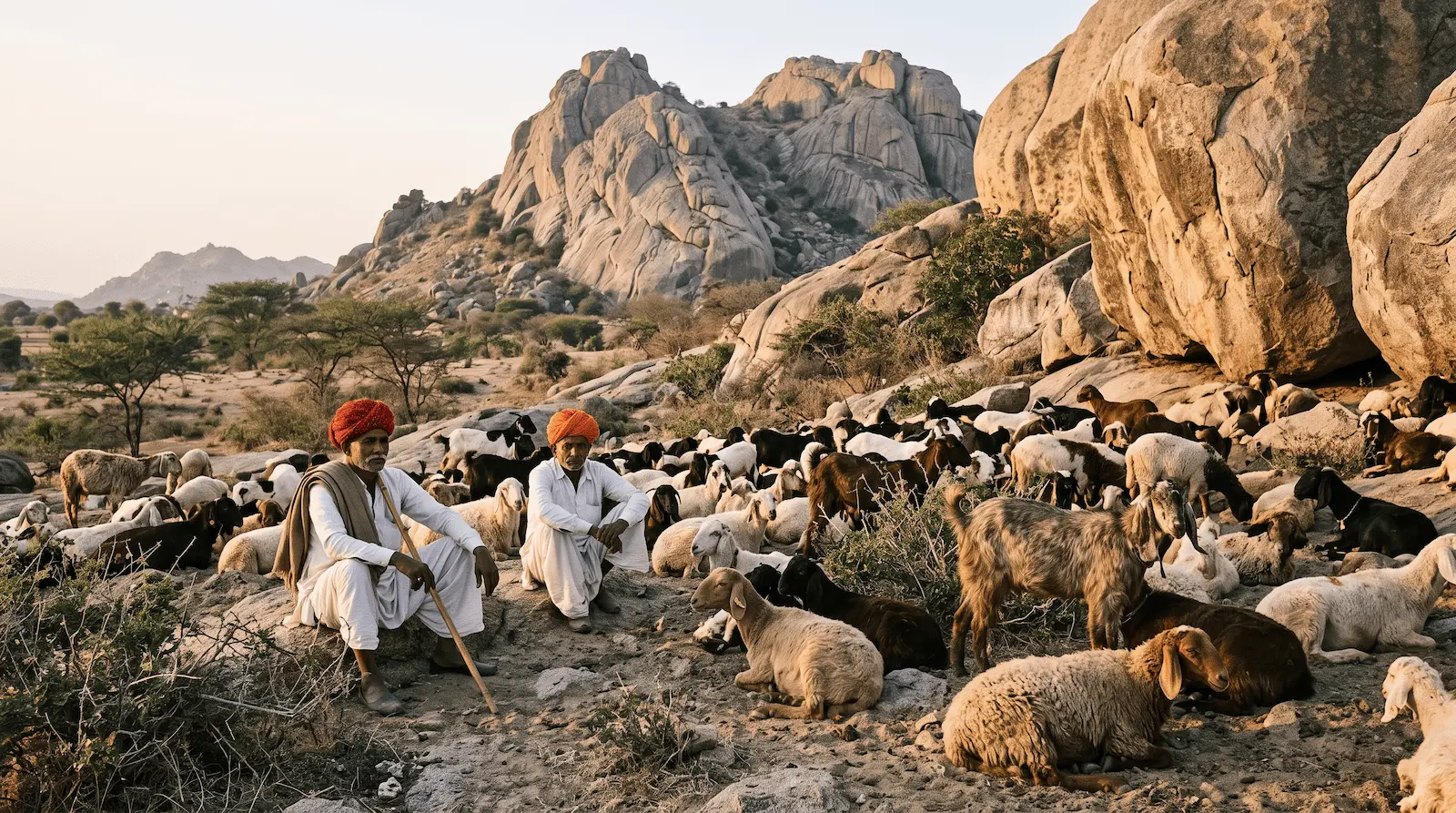
Beyond the leopard sightings themselves, which are never guaranteed on any single drive, several elements of Jawai tend to genuinely engage children. The dam itself, Jawai Bandh, is often a bigger hit with younger kids than the leopard safari — crocodiles are visible, tangible, and don’t require the patience of waiting quietly for a leopard to appear, and migratory birds on the water add variety without demanding the same stillness a leopard safari does. A village walk, done respectfully, can also be genuinely engaging for children who are curious about how the Rabari community lives alongside camels and livestock in the same landscape as the leopards — it’s tactile and immediate in a way that scanning distant granite hills for a resting cat isn’t always.
Framing the trip for kids as “a landscape where leopards, shepherds, camels, and crocodiles all share the same water and the same ground” tends to land well with children specifically, because the coexistence angle is a genuinely interesting, almost storybook-like concept that’s easy for a child to grasp and get excited about, distinct from the more abstract idea of “going on a safari to see an animal.”
What to Realistically Skip or Scale Back
Full-day photography safaris, built around getting the best possible shot across an extended session, are generally not the right fit for a family trip with young children — they demand a level of quiet, patience, and extended stillness that works against what most kids need from the day. A standard safari slot, kept to a reasonable length, is a better fit than the more intensive photography-focused option.
Similarly, cramming in a third safari on a two-night stay, purely to maximize sighting odds, is often not worth the cost to a child’s rest and mood if the first two outings have already been reasonably good. It’s fine to treat the third slot as optional and skip it in favor of a slower morning if your kids need the rest more than the family needs another attempt at a sighting.
Long circuit combinations — adding Ranakpur, Kumbhalgarh, or Ranthambore onto a family trip with young children — deserve extra caution around pacing. These are genuinely worthwhile additions for adults or older kids, but each adds real driving time, and a family itinerary that tries to fit in too many stops in too few days tends to produce tired, irritable children rather than the enriching multi-stop trip you were aiming for. If you do want to add Ranakpur and Kumbhalgarh, build in more buffer time than you would for an adults-only version of the same circuit.
Safety, Straight Answer
Jawai is a safe destination for families when arranged through registered, GPS-tracked operators who follow the current safari regulations — daylight-only drives, no night safaris, and vehicles that are tracked and accountable. The leopards here are habituated to human presence at a distance in a way that has allowed coexistence with local communities for generations without conflict; that said, normal wildlife-safety rules apply just as they would anywhere else — staying in the vehicle during the safari, following your driver and guide’s instructions, and not attempting to approach or feed any animal. Beyond the safari itself, Jawai is a rural, low-crime area, and the ordinary precautions that apply to any unfamiliar destination in India apply here too, nothing more alarming than that.
Practical Packing and Logistics for Families
Layers matter enormously for family trips here, since pre-dawn departures can be genuinely cold while afternoons warm up considerably, and children are less tolerant of being uncomfortably cold or hot than adults managing their own layering choices. Snacks and water for the safari itself are worth carrying independently of whatever the operator provides, since a quiet, extended wait-and-watch stretch is a different experience for a hungry child than an engaged one. And building in downtime that has nothing to do with wildlife or driving — simple unstructured time at your stay, without an activity attached — helps prevent the trip from feeling like a nonstop itinerary, which matters more for family energy levels than it typically does for an adults-only version of the same trip.
How Long to Stay With Kids
The two-night structure we recommend generally for Jawai works even better for families than it does for adults-only trips, precisely because it removes pressure from any single outing. If a first safari is quiet, or a child has a rough morning and you need to skip a slot entirely, a two-night stay absorbs that without the whole trip feeling like a missed opportunity. A single overnight stay can still work for families with a tighter schedule, but it leaves less room to adjust if the first safari doesn’t go smoothly or if a child needs an unplanned rest day in the middle. A same-day trip from Udaipur or Jodhpur is generally the hardest version of this to recommend for families with young children specifically, since it combines a very early start or a very late return with a single, non-negotiable safari window and no flexibility to reschedule around a tired or unwell child.
How We Help Plan a Family Trip
We arrange family stays in Jawai with the pacing considerations above built in from the start — safari timing that respects sleep schedules, realistic session lengths, and a mix of wildlife and non-wildlife activities rather than an itinerary built entirely around safari drives. Tell us your children’s ages and what matters most to your family, and we’ll put together a schedule that fits rather than a generic package stretched to accommodate kids as an afterthought. Message us on WhatsApp for current pricing and a quote tailored to your dates and group size.