Jawai from Jaipur and Delhi: How Far It Really Is and What Makes Sense
Getting There Is Only Half the Journey
Most planning attention around a Jawai trip goes toward the big question, how to get from Udaipur, Jodhpur, or further afield to the Jawai area itself. Less attention usually goes to what happens once you have actually arrived, and that is a mistake, because local transport in Jawai works quite differently from what most travelers are used to, whether they are coming from a major Indian city or from abroad. There is no ride-hailing app coverage to speak of, no taxi rank outside your accommodation, and no public bus route conveniently linking your camp to the safari zone gate. Understanding how movement actually works here, before you arrive, saves confusion on day one and helps you plan a smoother trip overall.
The Basic Reality of Local Transport in Jawai
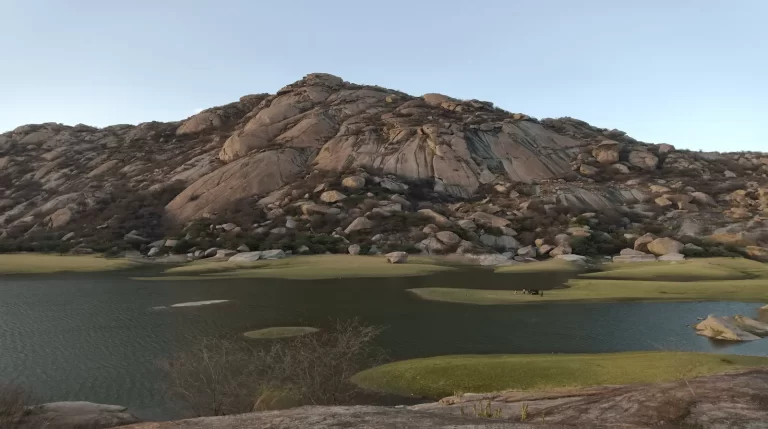
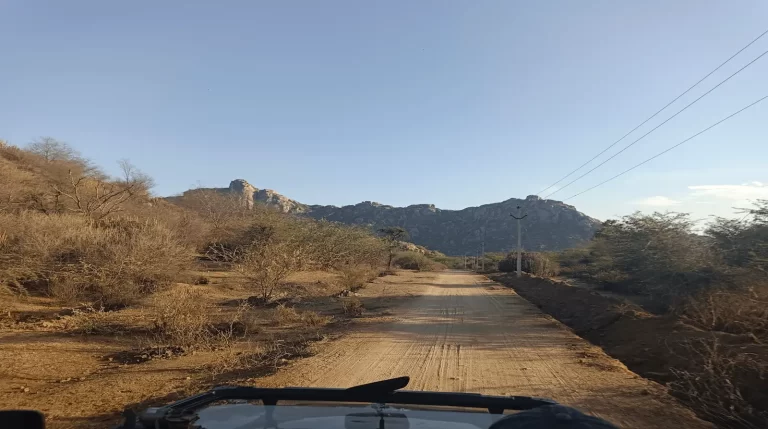
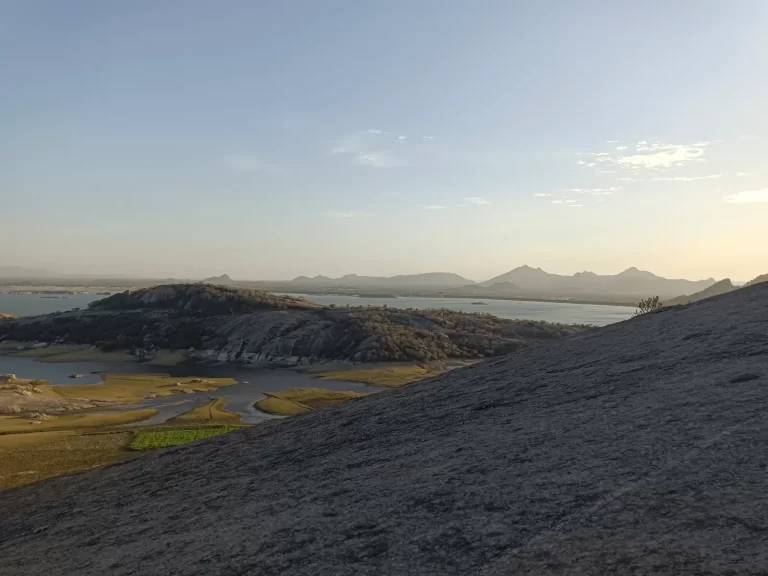
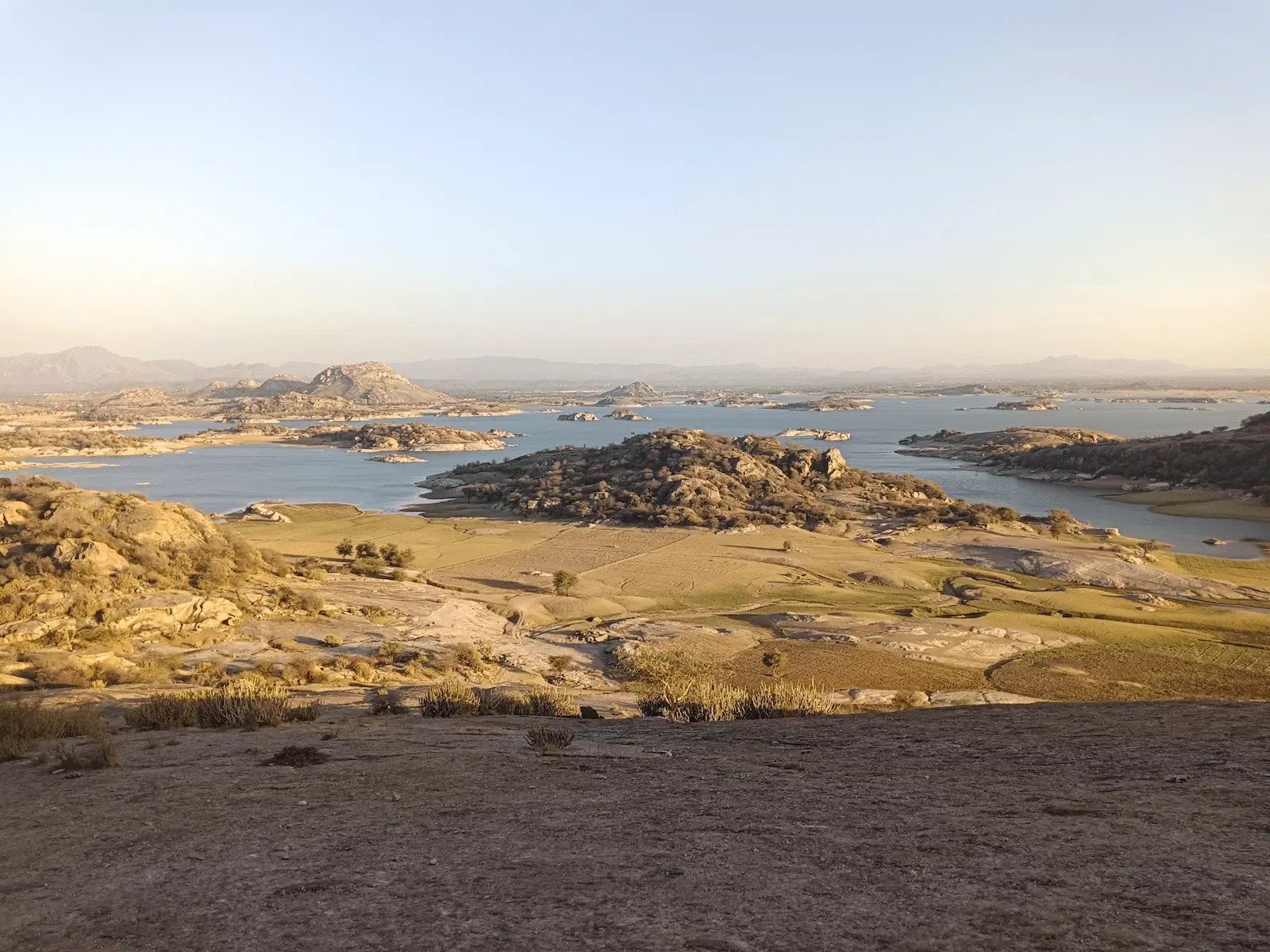
Jawai is a rural landscape of scattered villages, granite hills, and working agricultural land, not a town with a transport infrastructure built around visitors. The area around the dam and the three commonly referenced safari zones, Bera, Sena, and Devgiri, is spread out enough that walking between your accommodation and a safari zone gate is rarely realistic, and there is essentially no informal local taxi trade of the kind you might find in a market town or city.
What this means in practice is that almost all of your local movement during a Jawai stay happens through one of two channels: transport arranged directly by your camp or homestay as part of your stay, or a private vehicle arranged in advance for a specific purpose, whether that is a safari transfer, a visit to a nearby village, or a day trip to another point of interest around the dam. If you are used to stepping outside a hotel and hailing a cab within minutes, it is worth resetting that expectation before you arrive.
How Safari Pickups Actually Work
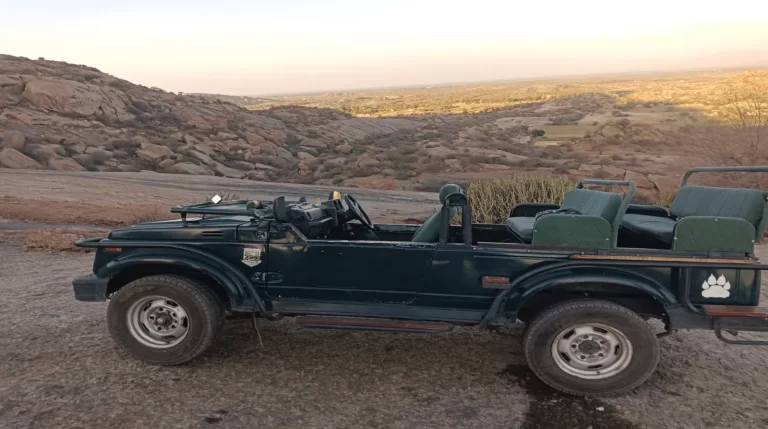
Safari pickups are the most frequent piece of local transport you will experience during a Jawai stay, and they are almost always coordinated directly with your accommodation. Camps and homestays in the area typically arrange the safari vehicle to collect guests directly from the property at the scheduled time, whether that is a pre-dawn departure for a morning safari or a mid-afternoon departure for an evening drive. This is a well-established routine on the ground, since it is how virtually every guest in the area experiences their safari regardless of where they are staying.
Safaris themselves now operate strictly within a defined window, roughly 6am to 7pm, under the rules enforced by the Jawai Safari & Eco Tourism Coordination Committee, and only registered, GPS-tracked vehicles are permitted to run commercial safaris at all. This regulatory framework, introduced to bring order and accountability to what had become a fast-growing but loosely governed safari market, means the vehicle collecting you is tracked, registered, and operating within fixed hours, a genuine trust signal worth understanding as part of how local transport now works here, not just a bureaucratic detail.
Moving Between Accommodation and the Safari Zones
Depending on exactly where your camp or homestay sits relative to the safari zone you are visiting that day, the transfer from your accommodation to the safari starting point can range from a short few minutes to a more substantial twenty or thirty minute drive. This is one of the reasons the choice of accommodation location within the broader Jawai area matters more than many first-time visitors initially assume; a property positioned well for the Bera zone may sit considerably further from Devgiri, and the reverse is equally true. Most camps address this directly by working primarily with the safari zone closest to their own location, so guests rarely need to think hard about this themselves, but it is worth asking your accommodation directly which zone or zones they typically operate in, and how far that sits from the property.
Getting to the Jawai Dam and Other Points of Interest
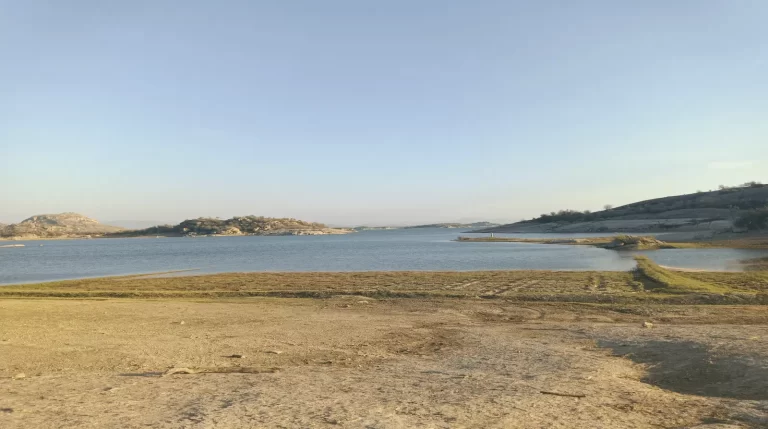
Beyond safari drives, many guests want to visit the Jawai Bandh dam itself, particularly around sunset when birdlife activity picks up, or want to spend time at a Rabari village for a cultural visit. These trips typically also run through your accommodation’s own arranged transport rather than any independent local option, since the same basic reality applies, there is no casual taxi service to flag down for a short local hop. If a dam visit or village walk is part of what you want from your stay, it is worth raising this with your accommodation or with us directly while planning the trip, so the vehicle and timing are built into your itinerary rather than treated as an afterthought once you have already arrived.
Why Ride-Hailing Apps Do Not Work Here
Travelers accustomed to using ride-hailing apps in Indian cities sometimes open one on arrival in Jawai expecting some level of coverage, and find essentially nothing available. This is simply a reflection of population density and demand; ride-hailing services operate where there is a large enough base of regular local trips to support driver supply, and the scattered rural villages around Jawai do not generate that kind of demand. It is not a temporary gap likely to close soon, and travelers should plan around its absence rather than hope for it to appear during their stay.
Mobile Signal and Coordinating Transport
Mobile network coverage in the Jawai area is serviceable in most places but genuinely patchy in some of the more remote stretches around the granite hills and smaller villages. This matters for local transport coordination, since arranging a pickup or confirming timing sometimes needs to happen in person or through your accommodation’s own staff rather than over a phone call or messaging app, if you happen to be in a low-signal pocket at the time. Building a little flexibility into your local plans, and confirming next-day pickup times the evening before rather than relying on a same-morning message, tends to avoid unnecessary friction.
Multi-Day Stays and Repeated Local Movement
If your stay in Jawai runs several days, with multiple safaris, a village visit, and perhaps a dam sunset outing, it is worth thinking about local transport as a single coordinated plan for the whole stay rather than a series of separate requests. Camps generally handle this well once they understand your full itinerary, building the various pickups and drop-offs around your safari schedule and your other activities. This is also where arranging your trip through us in advance genuinely helps, since we build the full local movement plan, safaris, village visits, dam outings, alongside your arrival and departure transfers, so nothing needs to be improvised once you are already on the ground.
What This Means for How You Pack Your Days
Because local transport in Jawai runs on a more structured, pre-arranged basis than the on-demand transport many travelers are used to, it is worth building your daily plans around the fixed points, safari departure times within the 6am to 7pm window, meal times at your camp, and any pre-arranged village or dam visits, rather than assuming you can spontaneously decide to go somewhere new mid-afternoon. This is not a limitation so much as a different rhythm, one that suits Jawai’s slower, more deliberate pace better than a city-style itinerary would in any case. Most guests adjust to it within their first day and find that the structure actually removes a layer of decision fatigue rather than adding one.
Bringing It All Together
Local transport in Jawai is simple once you understand the basic shape of it: no ride-hailing, no casual taxi rank, and almost everything routed through your accommodation’s own arrangements or a private vehicle booked in advance for a specific purpose. Safari pickups happen directly from your camp within the regulated 6am to 7pm window, other outings like a dam visit or village walk need to be planned ahead rather than improvised, and mobile signal gaps mean confirming plans the evening before is more reliable than same-day coordination. Understanding this before you arrive means your first full day in Jawai starts smoothly, with transport already sorted rather than something to figure out on the ground.
Walking Around Your Camp Versus Traveling Further
Within the immediate grounds of most camps and homestays, walking is entirely normal and often encouraged, since many properties are set on open land with views of the surrounding granite hills. This is different from walking further afield independently, which is not something we recommend attempting on your own given the rural terrain, the presence of wildlife including leopards in the surrounding hills, and the simple fact that distances between points of interest are usually greater than they first appear on a map. If you want to explore beyond your immediate accommodation, whether that is a nearby viewpoint, a short walk toward a village, or any other local excursion, it is worth doing so with a guide from your camp rather than independently, both for safety and because local guides know the terrain and the current wildlife activity in a way an independent walk simply cannot replicate.
What Happens on Your Departure Day
Local transport planning also extends to how your stay ends. Most guests schedule a final morning safari before departure, given that mornings often carry stronger leopard activity, followed by breakfast and a scheduled departure transfer timed against their onward flight or train. Because the 6am to 7pm safari window and the multi-hour road transfer back to Udaipur or Jodhpur both need to fit into a single day, it is worth planning departure-day logistics with the same care as arrival day, rather than assuming everything will simply fall into place. We typically build this timing backward from your flight or train departure, working out what time you need to leave your camp, and therefore how early your final safari needs to start, so the last day of the trip does not become a rushed scramble.
Message us on WhatsApp for current pricing and a quote tailored to your dates and group size.