Self-Drive to Jawai: What the Roads Are Like and Where People Go Wrong
Is Self-Driving to Jawai a Good Idea?
For a certain kind of traveler, usually someone already road-tripping through Rajasthan in their own vehicle or a rented car, the question of self-driving to Jawai comes up naturally. It is a legitimate option, and plenty of people do it successfully every season. But it is also an option where the honest details matter more than the general reassurance that “the roads are fine,” because the specific ways people get self-drive trips to Jawai wrong tend to repeat themselves. This guide covers what the roads are actually like, where the real risks sit, and how to plan a self-drive trip properly if you decide it is right for you.
The General Road Quality
The main roads connecting Udaipur and Jodhpur to the broader Jawai area are a mix of state highway and well-used arterial roads, generally in reasonable condition for the majority of the drive. These are not roads that require a specialized vehicle or extensive off-road experience; a standard car or SUV, driven at sensible speeds with normal attention, handles the bulk of either route without difficulty. Surface quality is generally acceptable, signage exists along the main routes, and traffic, while present, particularly through small towns, is manageable for anyone with reasonable experience driving in India.
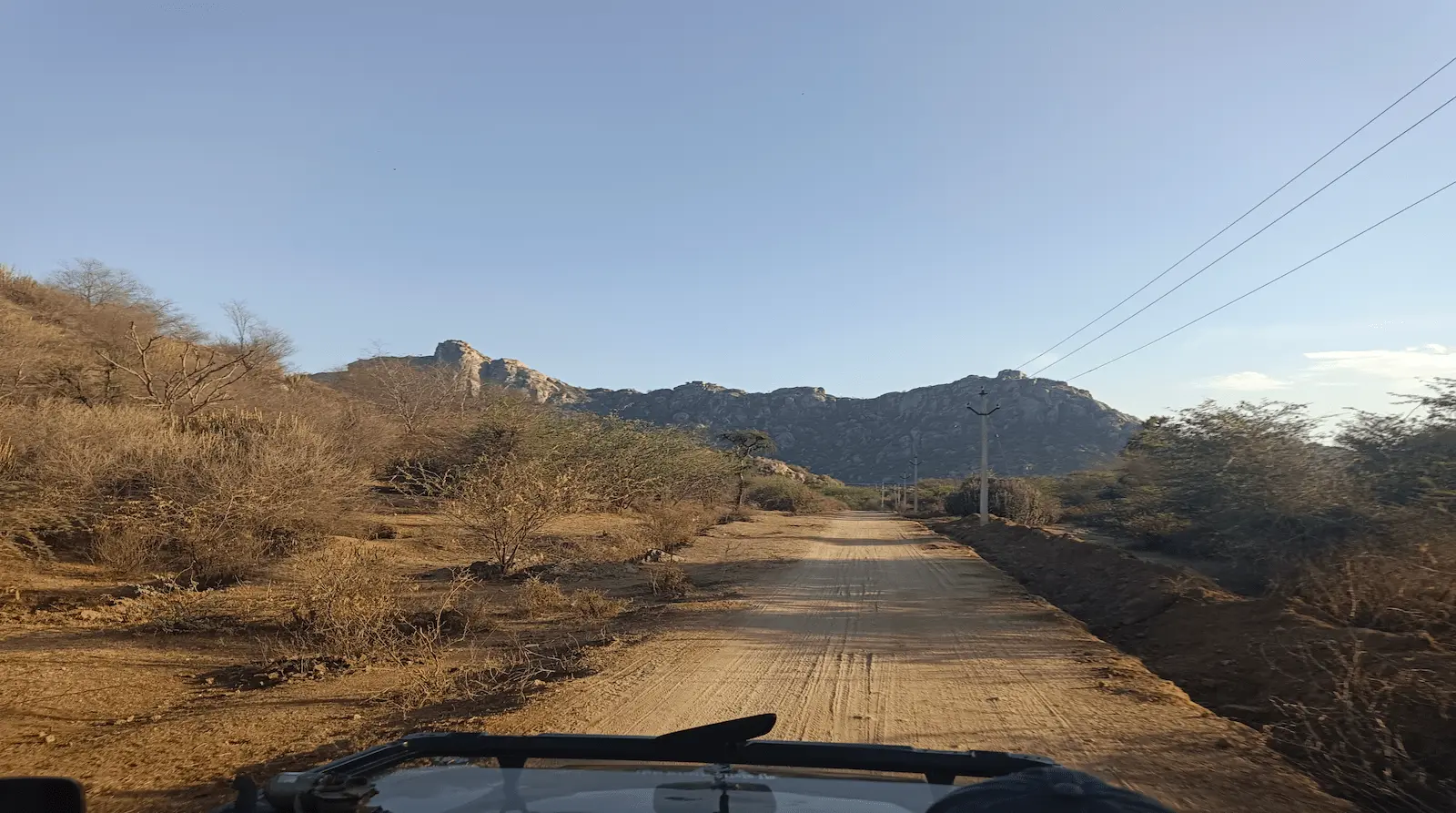
Where the character of the road changes is in the final approach to the specific villages and safari zones around Jawai itself. Here, state highway gives way to smaller district and village roads, narrower, less consistently maintained, and less clearly signed. This is true whether you are approaching from the Udaipur side or the Jodhpur side, and it is the single biggest factor separating an easy self-drive experience from a frustrating one.
Where People Actually Go Wrong
The most common mistake self-driving travelers make is underestimating the final approach stretch. Drivers relying purely on a mapping app, without any local knowledge of the specific route to their specific camp or homestay, frequently encounter one or more of the following: a turn that the map suggests exists but that is unclear or unmarked on the ground, a village road that splits in a way not accurately reflected in map data, or a final stretch that runs through terrain where GPS signal itself becomes unreliable. None of these are dramatic problems in daylight, when you can pull over, look around, and ask a local for directions. They become genuinely stressful after dark, which brings us to the second, more serious mistake.
The second major mistake is attempting the final approach, or any significant part of the drive, after dark. Night driving on the unlit rural roads around Jawai is genuinely discouraged, and this is not an overcautious warning designed to sell a transfer service, it is a straightforward practical reality. These roads lack streetlighting entirely once you leave the main highway. Livestock, a completely normal presence on rural Rajasthan roads during the day, remains on or near the road after dark and is far harder to spot in time. Road edges, potholes, and unmarked turns that are simple to navigate in daylight become genuinely hazardous once the sun goes down. Self-driving travelers who plan their timing tightly, assuming they can make up lost time by pushing on into the evening, are the ones most likely to have a genuinely difficult experience.
The third common mistake is not accounting for fuel and rest stops properly. Fuel stations thin out considerably once you move off the main highway and toward the more rural stretches near Jawai, and travelers who assume they can refuel close to their destination sometimes find themselves with less margin than they expected. Planning fuel stops at the last reliable station before the final approach, rather than assuming one will appear near your camp, avoids this entirely.
Building a Realistic Timing Plan
If you are self-driving from Udaipur, plan for roughly two and a half to three and a half hours of driving, and build in genuine buffer time beyond that estimate, both for stops and for the slower pace the final approach requires. From Jodhpur, plan for roughly three to three and a half hours with the same buffer logic. The critical rule for self-drive travelers specifically is this: depart with enough daylight margin that even a slower-than-expected final approach still gets you to your accommodation before dark. Do not plan a self-drive arrival for late afternoon assuming everything will go exactly to the estimated time; build in at least an hour of slack, and treat an earlier departure as the safer default rather than a nice-to-have.
Navigation: What Actually Works
Standard mapping apps get you reliably to the general Jawai area and are generally accurate for the main highway sections of either route. Where they become less reliable is in the final village-road stretch, where map data for smaller rural roads is not always current or precise, and where mobile signal itself can drop out at exactly the moment you need it most. A few practical habits help here: download offline map data for the region before you set out, so you are not entirely dependent on a live signal. Get the exact name of the village or landmark nearest your camp from your accommodation in advance, since asking a local for directions to a named village tends to work better than asking for directions to a specific camp name they may not recognize. And build in the expectation that the last stretch may take longer than the map suggests, rather than treating the app’s estimated arrival time as a hard guarantee.
Vehicle and Driving Considerations
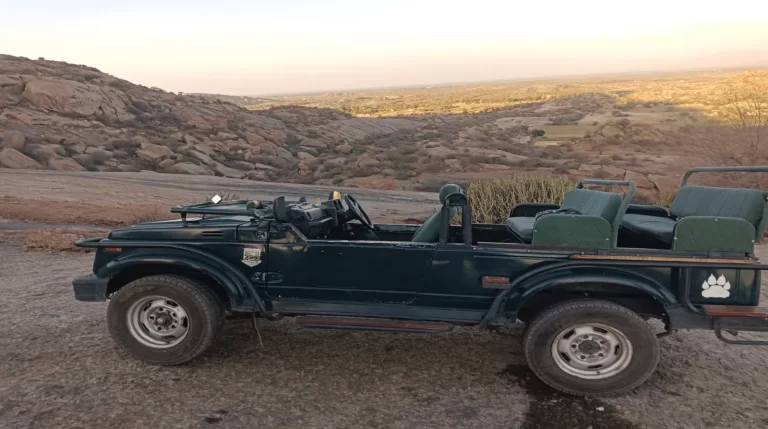
A standard sedan or SUV is generally sufficient for both the Udaipur and Jodhpur routes into Jawai; no specialized four-wheel-drive vehicle is required for the road journey itself, even though safari vehicles inside the zones are a different matter entirely and are handled by registered operators, not self-drive visitors. If you are renting a vehicle for the trip, make sure it is in good mechanical condition before setting out, given the more rural nature of the final stretch and the reduced availability of roadside assistance once you are off the main highway. Carry a physical paper map or printed directions as backup to your phone’s navigation, given the signal gaps mentioned earlier, and make sure you have a basic understanding of the route before you leave rather than relying entirely on turn-by-turn prompts that may lag or drop out.
Wildlife and Road Awareness
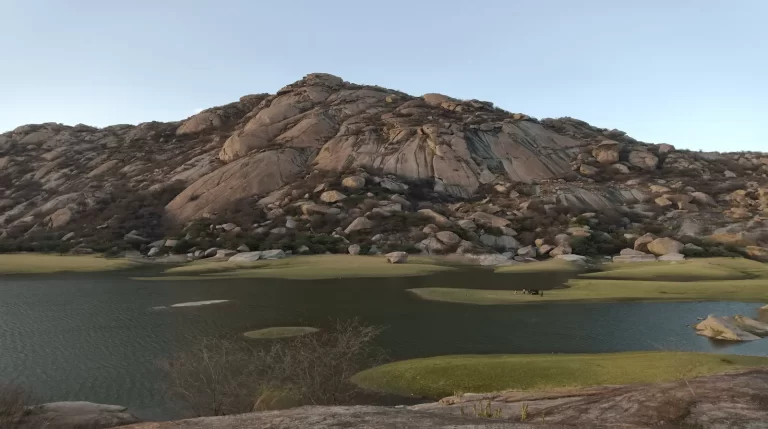
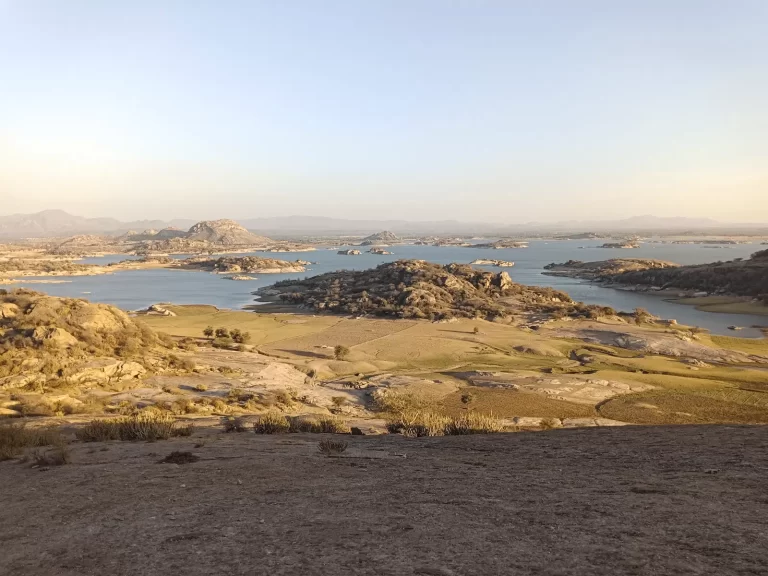
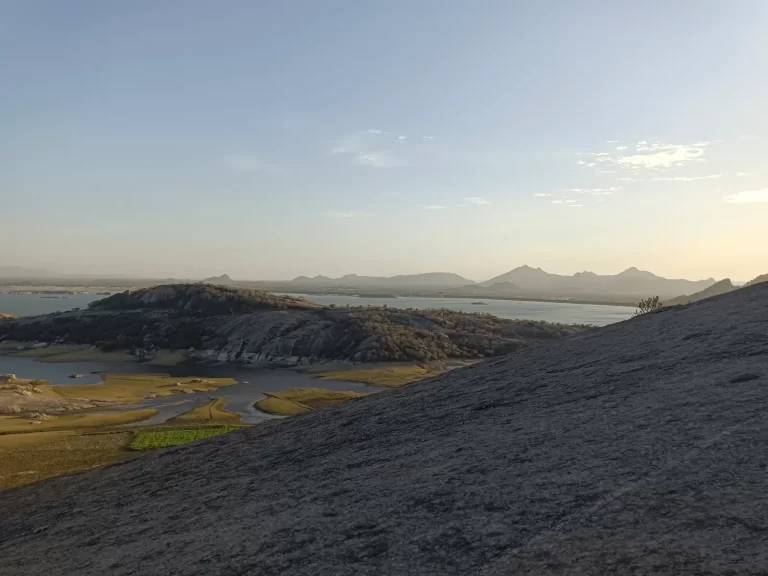
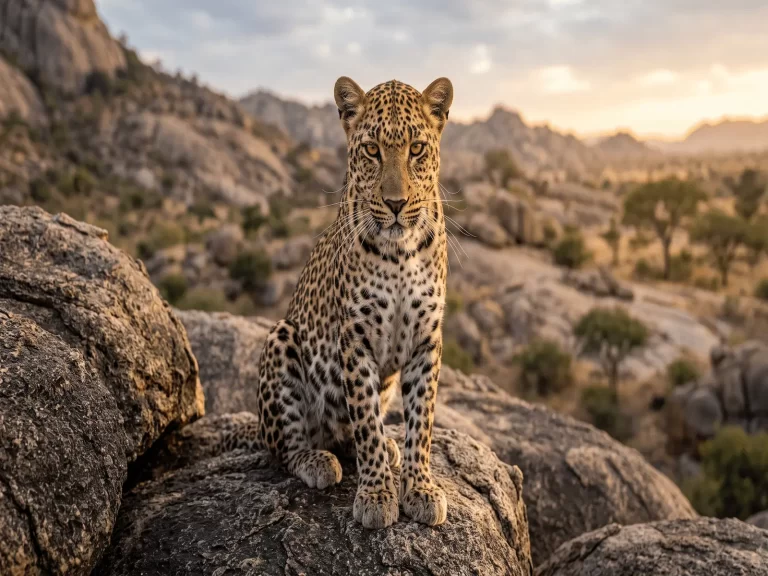
One detail specific to this region worth understanding: the granite hills and open landscape around Jawai are home to leopards and other wildlife, and while they are not commonly encountered directly on the main roads, drivers should stay alert, particularly around dawn and dusk, for animals near the roadside, whether livestock or wildlife. This is another reason the general advice against night driving applies especially strongly here; visibility of anything on or near the road drops sharply after dark, on roads that already lack lighting.
When Self-Driving Makes Sense, and When It Doesn’t
Self-driving to Jawai makes good sense if you are already road-tripping through Rajasthan with your own or a rented vehicle, comfortable with Indian rural road conditions, and able to plan your departure time with a comfortable daylight buffer. It makes less sense if you are arriving fresh off an international flight and unfamiliar with Indian road conditions generally, if your schedule leaves little room for a slower-than-expected final approach, or if your arrival is likely to land close to dusk regardless of how you plan it. For these situations, a private transfer with a driver who already knows the specific route to your specific accommodation removes essentially all of the risk described above, at the cost of not driving yourself.
A Middle Ground Worth Considering
Some travelers land on a middle ground: self-driving the main highway sections themselves, where road conditions are straightforward and the drive itself is enjoyable, while arranging a local guide or a final pickup for the last village-road stretch into their specific camp. This is not a common arrangement, but for travelers who want the experience of driving through Rajasthan’s changing landscape without taking on the specific risk of the unfamiliar final approach, it is worth asking your accommodation whether this kind of hybrid arrangement is possible.
The Honest Summary
Self-driving to Jawai is a realistic option for the right traveler, but it comes with specific, well-understood risks concentrated almost entirely in the final approach stretch and in night driving. The main highway sections from both Udaipur and Jodhpur are straightforward. The last twenty to thirty minutes, on smaller, unlit village roads, are where things go wrong, and where local knowledge, daylight timing, and a healthy buffer in your schedule make the real difference. Plan around these specifics rather than the generic reassurance that Rajasthan roads are fine, and a self-drive trip to Jawai can be a genuinely enjoyable part of the journey rather than a source of unnecessary stress.
Message us on WhatsApp for current pricing and a quote tailored to your dates and group size.